







What's Happening?
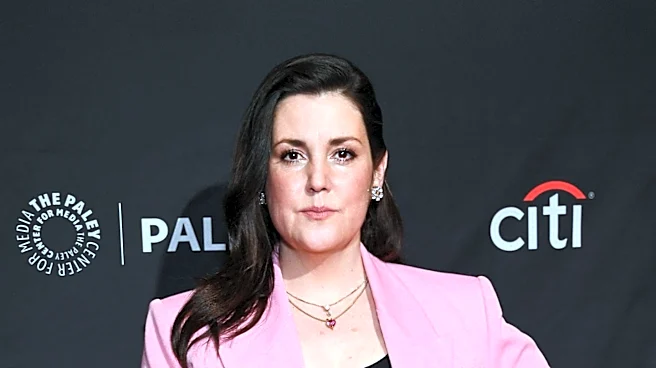
Actress Melanie Lynskey has publicly addressed and corrected widespread misinformation regarding her earnings during her time on the popular sitcom 'Two and a Half Men'. This clarification comes after fellow cast member Holland Taylor voiced her own concerns
about salary stagnation on the show. Lynskey, who played Rose, stated that online figures suggesting she earned between $200,000 to $300,000 per episode are 'totally ridiculous'. She revealed that she appeared in only 63 of the show's 262 episodes, starting at $20,000 per episode and receiving a 5% increase each season. Her highest per-episode salary was approximately $43,000 in the final season. Lynskey emphasized that these figures are before deductions for agents, managers, and taxes, meaning she took home about 50% of the gross amount. She expressed gratitude for the work and the income, which allowed her to pay her mortgage and pursue independent film projects, but felt compelled to correct the exaggerated financial claims.
Why It's Important?
This disclosure by Melanie Lynskey highlights ongoing issues within the entertainment industry regarding pay transparency and the significant disparity in earnings among cast members, even on highly successful shows. While lead actors like Charlie Sheen reportedly earned over $1 million per episode, supporting actors often received substantially less, with their actual earnings frequently misrepresented in public discourse. Lynskey's statement underscores the financial realities for many working actors, challenging the perception that all actors on hit shows achieve immense wealth. It also brings attention to the broader conversation about fair compensation and the impact of online speculation on actors' public image and financial narratives. The discussion initiated by Holland Taylor and further elaborated by Lynskey contributes to a more realistic understanding of salary structures in Hollywood, potentially empowering other actors to speak out about their experiences.
What's Next?
The ongoing public discussion about salary discrepancies on 'Two and a Half Men' may encourage more actors from past and present productions to share their experiences regarding compensation. This increased transparency could fuel further conversations within the industry about equitable pay practices, particularly for supporting roles. While no immediate policy changes are expected from these individual disclosures, they contribute to a growing collective awareness that could influence future contract negotiations and union discussions. The entertainment industry, already facing scrutiny over various labor practices, might see renewed calls for greater fairness in how actors are compensated, especially as streaming services and new production models evolve. This could also lead to a more critical examination of how media outlets and the public report on celebrity earnings, encouraging more accurate and nuanced portrayals.
Beyond the Headlines
Melanie Lynskey's candid revelation goes beyond mere salary figures; it touches upon the broader economic realities and class distinctions within the acting profession. The perception of actors as universally wealthy can obscure the financial struggles many face, even those with recognizable roles. This narrative often overlooks the significant portion of earnings lost to representation fees and taxes, as well as the intermittent nature of acting work. Lynskey's statement also subtly critiques the culture of speculation and misinformation prevalent online, where unsubstantiated figures can create false impressions of wealth and success. Her decision to speak out, following Holland Taylor's lead, suggests a growing willingness among actors to demystify the financial aspects of their careers, fostering a more honest dialogue about labor, value, and economic equity in Hollywood.