




What's Happening?
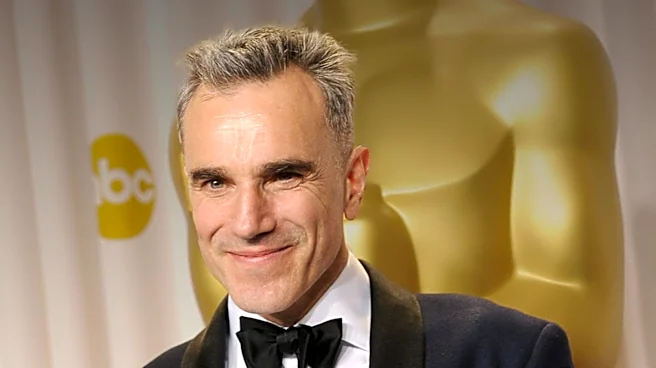
A trend among several prominent actors in Hollywood indicates a preference for original projects over reprising roles in film sequels. Actors such as Daniel Day-Lewis, Leonardo DiCaprio, Jodie Foster, and Christian Bale are noted for largely avoiding
multi-film franchises. Daniel Day-Lewis, known for his intense method acting, has consistently shied away from sequels, a choice attributed to his deep immersion in each character, which leaves little room for revisiting past roles. Leonardo DiCaprio has famously never reprised a role, opting instead to collaborate with acclaimed directors on original films. Jodie Foster declined to return for the sequel to 'The Silence of the Lambs,' 'Hannibal,' with Julianne Moore taking over her role. Christian Bale, despite starring in a successful trilogy as Batman, made it clear he was done with the role once the story concluded. Other actors like Jon Hamm express wariness about the long, multi-picture contracts common in superhero franchises, while Matthew McConaughey's career shift towards more serious roles also meant steering clear of franchises.
Why It's Important?
This trend highlights a significant divergence in career strategies within the U.S. film industry. While many actors embrace franchise roles for financial stability and global recognition, these particular actors prioritize artistic integrity, diverse roles, and the creative freedom that often comes with original projects. This approach can influence the types of films produced, potentially encouraging studios to invest in more standalone, character-driven narratives rather than solely focusing on expanding cinematic universes. For audiences, it means a wider variety of performances and stories from these acclaimed artists, rather than seeing them confined to a single character arc. The choices of these high-profile actors also underscore a potential critique of the current Hollywood model, where franchise fatigue among both creators and viewers is an emerging concern, suggesting a desire for more unique and less commercially driven cinematic experiences.
What's Next?
The continued preference of these actors for original content is likely to reinforce their reputations as artists committed to diverse and challenging roles. This could inspire emerging talent to consider similar career paths, potentially leading to a broader shift in how actors approach long-term commitments in Hollywood. Studios might face increasing pressure to offer more compelling original scripts and flexible contract terms to attract top-tier talent who are wary of extensive franchise obligations. This could also lead to a more balanced film landscape, where independent and original films gain more prominence alongside blockbuster franchises. The industry may see a continued debate about the value of artistic freedom versus commercial success, with these actors serving as prominent examples of those who prioritize the former.
Beyond the Headlines
The choices made by these actors reflect a deeper commentary on the nature of artistic fulfillment versus commercial demands in the entertainment industry. Their commitment to original roles and avoidance of sequels can be seen as a form of artistic resistance against the homogenization of cinema, where intellectual properties are often prioritized over unique storytelling. This approach allows them to explore a wider range of human experiences and complex characters, contributing to a richer and more varied cinematic culture. Ethically, it raises questions about the pressures placed on actors to commit to long-term contracts that may limit their creative growth. Culturally, it reinforces the idea that true artistry often lies in innovation and exploration rather than repetition, potentially influencing audience expectations and critical reception of films that prioritize originality.