



What's Happening?
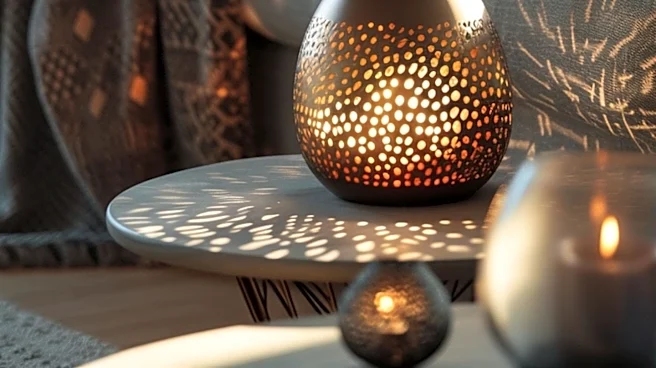
Statement lighting is emerging as a pivotal element in luxury interior design, moving beyond mere illumination to become a central artistic feature. This trend emphasizes fixtures that serve both practical needs and aesthetic desires, significantly enhancing
the atmosphere and reflecting personal taste within a space. An example of this is the Brina Ghiaccio Amber Pink Murano Glass Oval Linear Chandelier, which is highlighted for its ability to transform daily activities into experiences of refined beauty. In contemporary homes, statement lighting is often integrated with ambient, task, and accent lighting to ensure comprehensive illumination and visual comfort. The selection of these fixtures is increasingly aligned with the home's architectural style and overall design aesthetic, making them integral to the overall interior narrative. The focus is on creating a cohesive and sophisticated environment where lighting acts as a sculptural masterpiece, rather than just a light source. This approach is particularly evident in key areas like dining rooms and kitchen islands, where the lighting can define the space and set the mood.
Why It's Important?
The growing emphasis on statement lighting in luxury interiors signifies a broader shift in consumer preferences towards personalized and aesthetically integrated home environments. This trend impacts the U.S. interior design and luxury home furnishings industries by driving demand for high-end, custom, and artisan-crafted lighting solutions. Manufacturers and designers are increasingly focusing on unique materials, intricate designs, and advanced lighting technologies to meet this demand. For consumers, investing in statement lighting allows for a deeper expression of personal style and elevates the perceived value and ambiance of their homes. This also creates opportunities for specialized lighting designers and artisans, fostering innovation in materials like Murano glass and textured Ghiaccio glass, and design approaches that blend modern and classic aesthetics. The importance lies in how these fixtures contribute to the overall sensory experience of a space, influencing mood, comfort, and the functional utility of different areas within a home.
What's Next?
The trend of statement lighting is expected to continue evolving, with a focus on greater customization and integration of smart home technologies. Consumers will likely seek fixtures that offer adjustable color temperatures, dimmable functionalities, and smart controls to tailor lighting to specific moods and occasions. This will push manufacturers to innovate further in terms of material science, design versatility, and technological sophistication. We can anticipate a rise in demand for unique, handcrafted pieces that tell a story and reflect individual homeowner personalities, moving away from mass-produced options. Interior designers will play a crucial role in curating these pieces, ensuring they harmonize with the overall design scheme and architectural context. The market may also see an increase in collaborations between lighting designers and artists, leading to more sculptural and art-inspired lighting installations that blur the lines between functional object and fine art.
Beyond the Headlines
Beyond its immediate aesthetic and functional benefits, the rise of statement lighting reflects a deeper cultural appreciation for craftsmanship and bespoke design in an increasingly standardized world. It highlights a desire among homeowners to create sanctuaries that are not only comfortable but also deeply personal and reflective of their values. This trend also touches upon sustainability, as high-quality, durable, and timeless lighting fixtures are often seen as long-term investments, reducing the cycle of frequent replacements. Ethically, it supports artisan communities and traditional craft techniques, such as those involved in Murano glass production. The psychological impact of well-designed lighting on well-being and productivity is also a less obvious implication, as carefully curated light can influence mood, reduce eye strain, and enhance the overall quality of life within a living space. This movement signifies a return to valuing the unique and the handcrafted, fostering a more thoughtful approach to home decor.