



What's Happening?
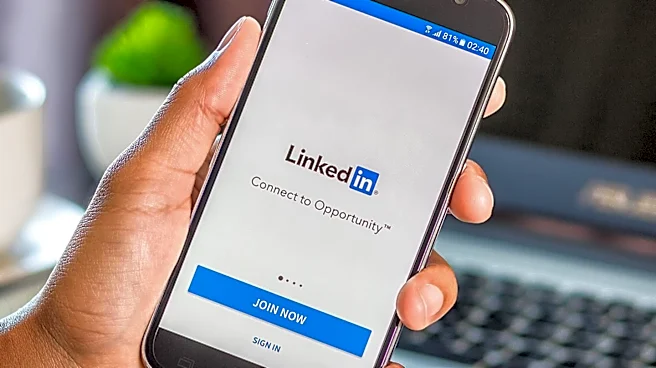
Professional networking platform LinkedIn, with over 1.3 billion users and significant revenue, is a crucial tool for career development and job hunting. However, users are frequently making errors that can undermine their professional brand and hinder
their networking efforts. Experts advise against being overly personal, sending excessive connection requests, and using business jargon or clichés. Professor Himanshu Rai, director of the Indian Institute of Management Indore, highlights that treating LinkedIn as merely a digital resume filled with AI-generated content, rather than a space for relationship-building, is a significant mistake. Profiles with vague descriptions, exaggerated achievements, inconsistent information, or excessive buzzwords can damage credibility. Similarly, David Simpson, recruitment and admissions director at London Business School, emphasizes that every post or comment reflects on an individual's professional image and should be carefully considered.
Why It's Important?
These common LinkedIn errors can significantly impact an individual's professional trajectory and the effectiveness of their networking. In a competitive job market, a poorly managed LinkedIn profile can deter potential employers and collaborators. Authenticity and professionalism are paramount; missteps like over-personalization or the use of generic, AI-generated content can lead to a loss of credibility. For businesses, the platform serves as a vital channel for talent acquisition and industry engagement. When job applicants or professionals fail to present themselves effectively, it can lead to missed opportunities for both individuals and companies seeking skilled talent. The advice underscores the importance of strategic and thoughtful engagement on professional platforms to foster genuine connections and career advancement.
What's Next?
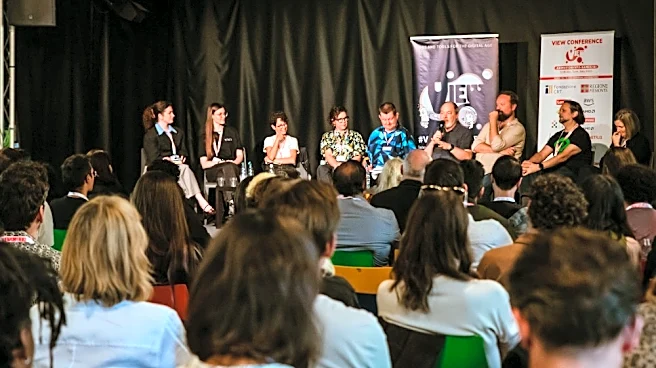
To maximize the benefits of LinkedIn, users should focus on refining their online presence by avoiding the identified pitfalls. This includes tailoring connection requests, engaging with industry-related content, and presenting achievements authentically without exaggeration. Educational institutions and career development programs, such as the workshop at Bowling Green State University, are increasingly offering guidance on optimizing LinkedIn profiles for professional development. Professionals are encouraged to view LinkedIn as a dynamic tool for building relationships and sharing knowledge, rather than a static resume. Continuous self-assessment of one's online professional persona and adherence to best practices will be crucial for leveraging the platform effectively in the evolving digital landscape.
Beyond the Headlines
The prevalence of these LinkedIn errors points to broader challenges in digital professional communication and personal branding. The rise of AI-generated content, while offering convenience, also poses a risk to authenticity and genuine human connection in professional interactions. The emphasis on avoiding overly personal content highlights the delicate balance between transparency and maintaining professional boundaries in a public forum. Furthermore, the advice against excessive connection requests and jargon reflects a growing fatigue with superficial networking tactics, underscoring a desire for more meaningful and curated professional relationships. This shift suggests a deeper cultural move towards valuing genuine engagement and credible self-representation in the digital professional sphere.