


What's Happening?
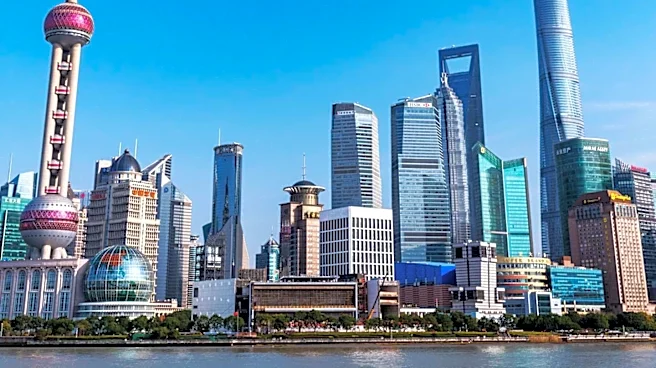
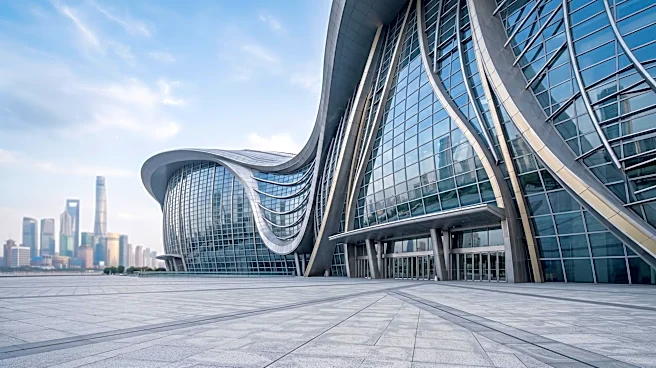
The 9th Hongqiao International Economic Forum commenced in Shanghai, bringing together business leaders and representatives from around the world to discuss pathways toward a more open global economy. The two-day event, held at the National Exhibition
and Convention Center, operates under the theme "Stability and Cooperation: Building an Open World Economy Together." A significant highlight was the unveiling of the World Openness Report 2026, which indicated a substantial tightening of global openness in 2025, marking the biggest decline since 2016. Despite this, emerging and developing economies, including China, showed movement in the opposite direction, with China maintaining a leading position in openness. The forum also saw the debut of the Export-to-China Capacity Development Report, designed to assist other countries, particularly those in the Global South, in enhancing their export capabilities to the Chinese market. The event runs concurrently with the 9th China International Import Expo (CIIE), attracting over 4,100 overseas exhibitors from 148 countries and regions.
Why It's Important?
The Hongqiao Forum serves as a critical platform for international dialogue on global economic cooperation, especially in a period characterized by declining global openness. The World Openness Report 2026's findings are particularly important, signaling potential challenges to international trade and economic integration. The forum's emphasis on "Stability and Cooperation" underscores the perceived need for collaborative efforts to counteract protectionist tendencies and foster a more interconnected global economy. For U.S. businesses and policymakers, the forum's discussions and reports offer insights into China's economic strategies and its role in shaping global trade dynamics. The Export-to-China Capacity Development Report, in particular, highlights China's efforts to facilitate imports, which could present opportunities for U.S. exporters. Understanding these developments is crucial for navigating the complexities of international trade relations and identifying potential areas for engagement or competition in the global marketplace.
What's Next?
The forum's discussions are expected to continue exploring various aspects of global economic rebalancing, innovation in humanoid robot and embodied AI industries, and China's development achievements since its accession to the World Trade Organization. The parallel sessions cover a broad agenda, including free and fair trade, cooperation on industrial competitiveness, and Hong Kong's new opportunities. The insights and recommendations emerging from these discussions could influence future trade policies, investment decisions, and international cooperation frameworks. The concurrent China International Import Expo (CIIE) will likely facilitate direct business interactions and potential trade agreements, further shaping global supply chains and market access. The forum's outcomes may also inform strategies for promoting multilateralism and addressing the challenges posed by a tightening global openness, with potential implications for international economic governance.
Beyond the Headlines
The Hongqiao Forum's focus on global openness amidst a reported decline in 2025 points to deeper geopolitical and economic shifts. The call for mutual trust, inclusiveness, and accessibility in fostering global openness suggests a recognition of the need for more equitable and sustainable trade practices. Ethically, the forum's discussions on fair trade and cooperation on industrial competitiveness touch upon the principles of responsible business conduct and the equitable distribution of economic benefits. Legally, the emphasis on an open world economy could lead to renewed efforts in strengthening international trade laws and dispute resolution mechanisms. Culturally, such forums promote cross-cultural understanding and collaboration among diverse economic actors. The long-term implications could include a re-evaluation of existing trade agreements, the formation of new economic blocs, and a greater emphasis on inclusive growth models that benefit a wider range of countries, particularly those in the Global South.