






What's Happening?
The Siperstein Dermatology Group has released comprehensive skincare tips specifically tailored for student athletes as they return to school and sports activities. These guidelines address common skin issues faced by athletes, including sunburns, acne
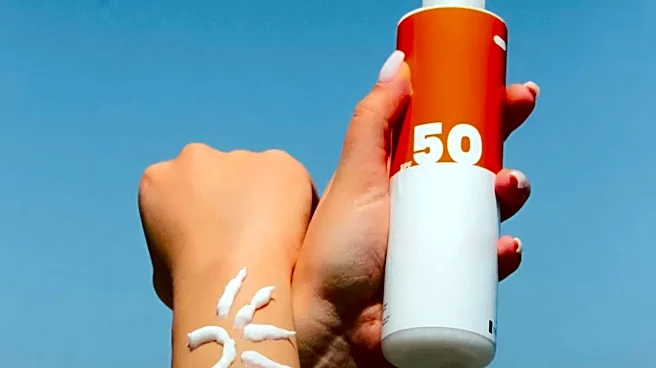
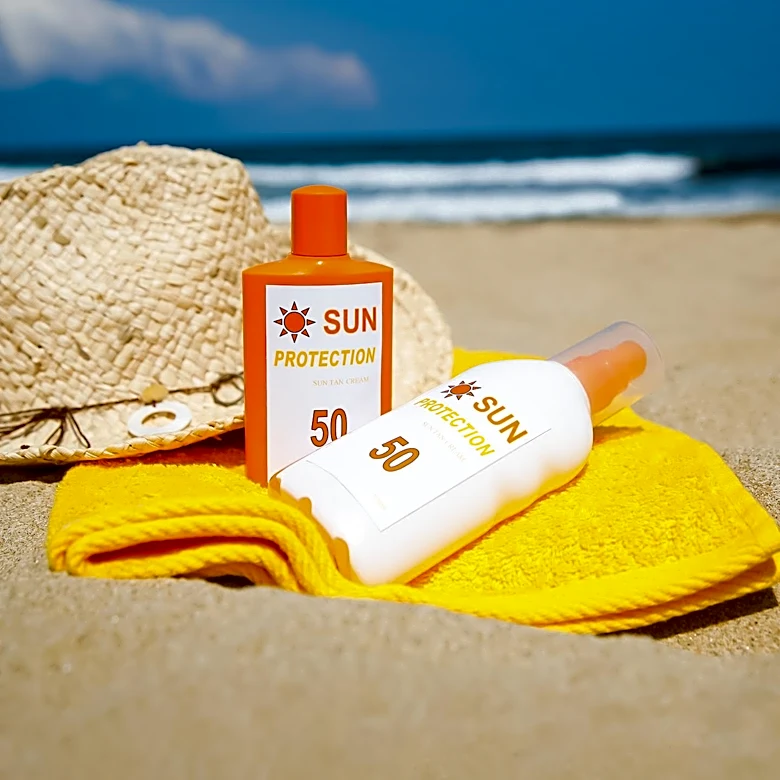
breakouts, irritation, and various skin infections prevalent in locker room environments. Key recommendations include choosing appropriate sunscreens that are broad-spectrum, SPF 30 or higher, and water-resistant for 40 to 80 minutes. The group advises mineral sunscreens for sensitive skin and 'oil-free' or 'non-comedogenic' options for acne-prone skin. They also emphasize the importance of applying sunscreen 20 minutes before outdoor exposure and reapplying every two hours, or more frequently after sweating, swimming, or towel drying. Additionally, the guidelines provide strategies to prevent sports-related acne, such as starting practice with clean skin, promptly changing out of sweaty clothing, and cleaning sports equipment. For persistent issues, consulting a dermatologist is recommended.
Why It's Important?
These guidelines are crucial for safeguarding the health and well-being of student athletes, a demographic often exposed to environmental stressors and physical conditions that can negatively impact skin health. By providing clear, actionable advice, the Siperstein Dermatology Group aims to reduce the incidence of sun damage, which can lead to long-term health consequences like premature aging and increased risk of skin cancer. Preventing sports-related acne and infections also contributes to better hygiene and reduces discomfort, allowing athletes to focus on their performance without the distraction of skin issues. The emphasis on mineral sunscreens for sensitive skin and non-comedogenic products for acne-prone individuals highlights a tailored approach to skincare, acknowledging the diverse needs within the athletic community. This proactive guidance can help parents and coaches ensure that young athletes maintain healthy skin habits, fostering a foundation for lifelong skin care.
What's Next?
Following the release of these guidelines, it is anticipated that schools, sports organizations, and parents will integrate these recommendations into their routines and educational programs for student athletes. Increased awareness and adoption of these practices could lead to a reduction in common skin ailments among this group. Dermatologists and healthcare providers may also use these guidelines as a basis for further consultations and personalized treatment plans for student athletes experiencing persistent skin issues. The focus on prevention and early intervention suggests a continued effort to promote comprehensive skin health within the athletic community. Educational campaigns, potentially involving dermatologists, could further disseminate this information, ensuring that student athletes are well-informed about protecting their skin.
Beyond the Headlines
The Siperstein Dermatology Group's initiative underscores a broader shift towards specialized healthcare advice for specific populations, recognizing that general skincare recommendations may not suffice for individuals with unique environmental and physical demands. For student athletes, the combination of intense physical activity, prolonged sun exposure, and shared facilities creates a distinct set of dermatological challenges. This targeted approach not only addresses immediate concerns but also promotes a culture of preventative health among young individuals. By educating athletes on proper skincare, the guidelines contribute to a holistic view of athletic performance, where physical health extends beyond muscle and bone to include skin integrity. This could also influence product development in the skincare industry, leading to more specialized products designed for athletes that are effective, safe, and convenient for their active lifestyles.