




What's Happening?
Gold prices have experienced a significant decline in 2026, dropping to less than $4,400 per ounce, which is over $1,000 below their peak in January. This downturn follows a period of record highs earlier in the year. The decline is attributed to several
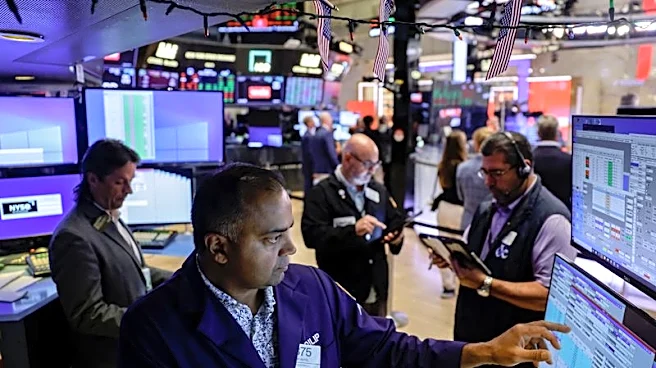
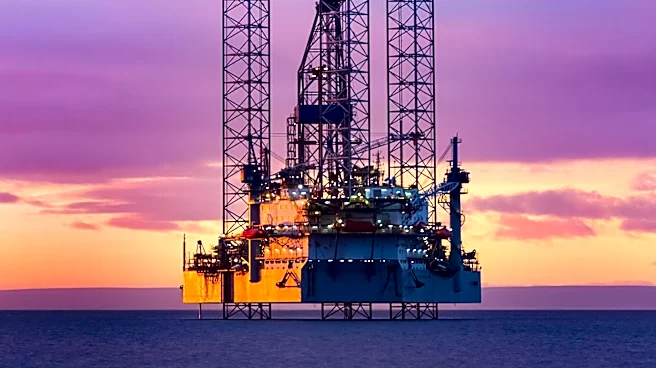
factors, including geopolitical tensions, particularly the ongoing conflict in the Middle East involving Iran, which has led to higher oil prices and disrupted supply chains. Additionally, rising interest rates have made bonds more attractive compared to gold, as they offer returns while gold does not. Investor sentiment has also shifted, with many selling off gold to free up cash amid broader market corrections. Despite the current dip, experts believe the fundamentals supporting gold prices remain strong, with expectations of a price increase as the year progresses.
Why It's Important?
The decline in gold prices has significant implications for investors and the broader economy. For those holding gold, the drop represents a loss in asset value, but it also presents a buying opportunity for new investors at lower prices. The geopolitical tensions and economic factors influencing gold prices, such as interest rates and inflation, are critical as they affect broader financial markets and consumer behavior. Higher oil prices and interest rates can lead to increased costs for consumers and businesses, potentially slowing economic growth. The situation underscores the interconnectedness of global events and their impact on financial markets, highlighting the importance of strategic investment decisions in uncertain times.
What's Next?
Looking ahead, experts predict that gold prices will likely rise again as the year progresses, with some forecasts suggesting prices could reach between $4,500 and $5,000 per ounce by Thanksgiving. Investors are advised to approach gold as a long-term investment rather than seeking short-term gains. The ongoing geopolitical tensions and economic shifts will continue to influence market dynamics, and investors should remain vigilant about changes in interest rates and inflation. The situation in the Middle East, particularly regarding oil supply through the Strait of Hormuz, will be a key factor to watch, as it could further impact inflation and gold prices.