



What's Happening?
Thermoforming is being utilized to produce large, aesthetically pleasing housings for various medical equipment, including carts, imaging and diagnostic systems, and patient-room devices. This manufacturing method offers a significant advantage over injection
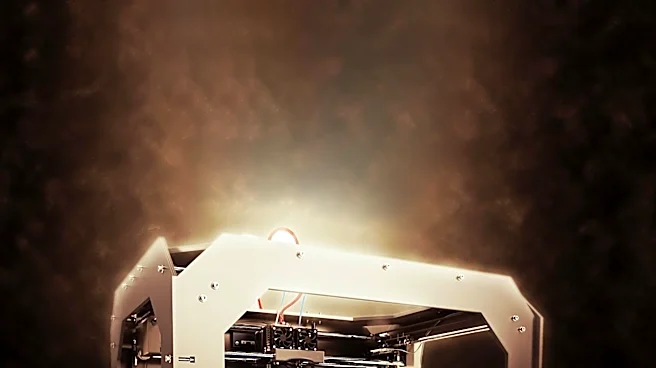
molding by providing a fraction of the tooling cost and quicker tool readiness, often within weeks. The process involves vacuum forming, and many of the thermoforming resins used are available in medical grades, ensuring suitability for healthcare applications. After forming, these housings are trimmed using 5-axis CNC routers, painted to specific colors, and fitted with inserts and hardware. For prototypes and smaller parts, 3D printing is commonly employed, complementing the thermoforming process for diverse production needs.
Why It's Important?
The adoption of thermoformed medical device housings holds substantial importance for the U.S. medical device industry. The cost-effectiveness of thermoforming, particularly its lower tooling costs compared to injection molding, can significantly reduce manufacturing expenses for companies. This financial benefit can translate into more competitive pricing for medical equipment, potentially making advanced healthcare technologies more accessible. The quicker turnaround time for tooling also accelerates product development cycles, allowing U.S. manufacturers to bring new and improved medical devices to market faster. This agility is crucial in a rapidly evolving healthcare landscape, enabling companies to respond swiftly to market demands and technological advancements. Furthermore, the availability of medical-grade resins ensures that these housings meet the stringent quality and safety standards required for medical applications, maintaining the integrity and reliability of U.S.-produced medical equipment.
What's Next?
The trend towards utilizing thermoforming for medical device housings is expected to continue, driven by its economic and efficiency benefits. Manufacturers will likely explore further advancements in thermoforming resins to enhance material properties such as durability, biocompatibility, and aesthetic finishes. The integration of advanced manufacturing techniques, such as more sophisticated CNC routing and automated assembly processes, will further streamline production. As the demand for customized and specialized medical equipment grows, the flexibility and cost-effectiveness of thermoforming will make it an increasingly attractive option for both established companies and startups in the medical device sector. This could lead to a broader application of thermoforming in other areas of medical equipment production, beyond just housings.
Beyond the Headlines
Beyond the immediate manufacturing benefits, the widespread use of thermoforming in medical device production has broader implications for supply chain resilience and innovation. By offering a more accessible and less capital-intensive manufacturing route, it can foster greater domestic production of medical components, reducing reliance on international supply chains. This is particularly critical in times of global disruption, ensuring a stable supply of essential medical equipment. Environmentally, the efficiency of thermoforming, especially with advancements in material recycling and waste reduction, could contribute to more sustainable manufacturing practices within the medical industry. Culturally, it supports a shift towards more agile and responsive manufacturing ecosystems, encouraging innovation and rapid prototyping, which are essential for addressing emerging health challenges and improving patient care.