

What's Happening?
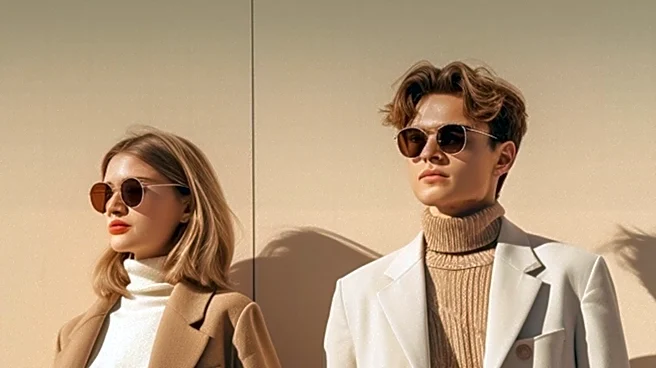
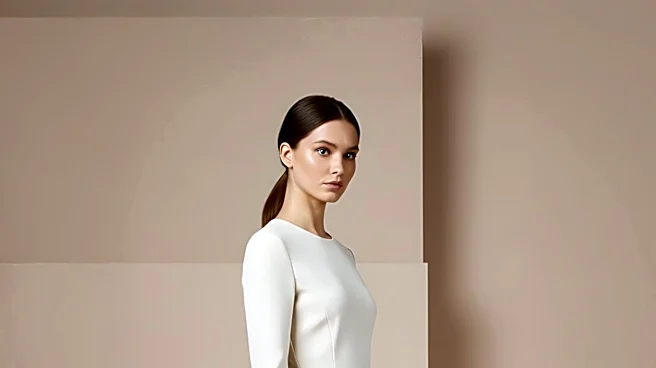
The 'quiet luxury' trend in fashion is gaining prominence, shifting focus from overt branding and flashy designs to understated elegance, quality construction, and timeless silhouettes. This aesthetic prioritizes neutral tones, clean lines, and well-made
garments. The core principle is that true luxury is demonstrated through superior craftsmanship, fabric choice, and durability, rather than visible logos or extravagant embellishments. A garment's quality is assessed by factors such as the drape of the fabric, the precision of stitching, and its ability to maintain shape after multiple wears. This approach suggests that a well-made piece earns its understatement through its inherent quality, making decoration unnecessary. The trend encourages consumers to look beyond superficial aesthetics and evaluate how a piece is made, including fabric composition, seam finishing, lining, fit, and overall construction. Even high-street pieces can fit into a quiet luxury wardrobe if they meet these criteria, emphasizing that quality is not solely determined by brand or price.
Why It's Important?
This shift in fashion is significant as it redefines consumer perception of luxury, moving away from conspicuous consumption towards a more discerning appreciation for craftsmanship and longevity. For the U.S. fashion industry, this could lead to a greater emphasis on sustainable practices and ethical production, as quality and durability become key selling points. Brands that prioritize meticulous construction and high-grade materials, regardless of their price point, stand to gain market share. Conversely, brands heavily reliant on logo-driven marketing and fast fashion models may face challenges as consumers become more educated about garment construction and seek long-lasting pieces. This trend also empowers consumers by encouraging them to make informed purchasing decisions based on intrinsic value rather than brand prestige, potentially fostering a more sustainable and less wasteful approach to fashion consumption. It could also influence design education and manufacturing processes, pushing for a return to traditional tailoring and textile expertise.
What's Next?
The quiet luxury trend is expected to continue influencing consumer choices and brand strategies. Fashion houses may increasingly invest in research and development of high-quality, durable materials and refined manufacturing techniques. We might see a rise in educational initiatives for consumers on how to identify well-made garments, further solidifying the demand for quality over quantity. Retailers, including online platforms like Amazon, are likely to curate and promote products that align with this aesthetic, offering more accessible options for consumers to achieve a quiet luxury look. Designers will likely focus on creating versatile, timeless pieces that can be integrated into a capsule wardrobe, emphasizing cost-per-wear rather than initial price. This could also lead to a greater appreciation for bespoke and made-to-order services, as consumers seek garments tailored to their specific needs and built to last.
Beyond the Headlines
The quiet luxury trend reflects broader societal shifts towards mindfulness, sustainability, and a rejection of overt materialism. It suggests a growing desire for authenticity and substance in an increasingly superficial world. Ethically, this trend could promote more responsible consumption patterns, reducing the environmental impact of fast fashion and encouraging investment in fewer, higher-quality items. Culturally, it challenges the notion that luxury must be ostentatious, instead equating it with discernment, comfort, and personal style that doesn't require external validation. This movement could also influence other consumer goods sectors, prompting a similar focus on durability, craftsmanship, and understated design in areas beyond fashion. It represents a subtle but powerful rebellion against brand-driven consumerism, advocating for a more thoughtful and enduring approach to personal possessions.