





What's Happening?
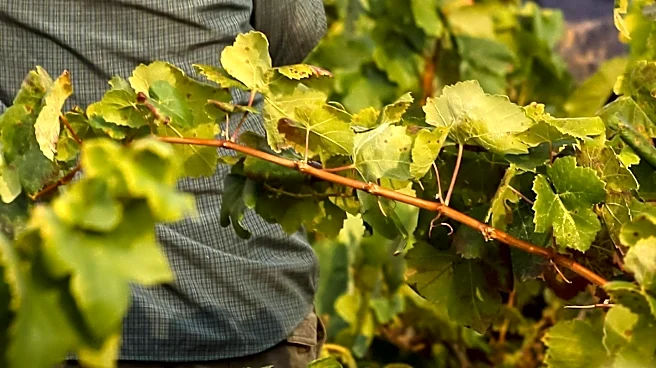
California is currently experiencing a grape harvest that is outpacing market demand, leading to an oversupply. This situation is primarily due to an early season, where warm spring weather accelerated grape development by three to four weeks, causing
the harvest periods of multiple varieties to overlap. Initially, this issue was more pronounced with green grapes but has now extended to red varieties as well. Growers are facing limited options to delay harvesting, as waiting too long risks over-ripening and reduced marketability of the fruit. While contract-based sales at predetermined prices are proceeding as expected, the spot market is seeing minimal activity. Retailers have also contributed to the imbalance, as their promotional schedules for grapes have not aligned with the accelerated harvest, with many chains only beginning to emphasize grape sales in September.
Why It's Important?
This imbalance between grape supply and demand in California has significant economic implications for the state's agricultural sector. Growers are facing potential losses due to unsold produce or reduced prices in the spot market, impacting their profitability and sustainability. The misalignment of retail promotional cycles with harvest times highlights a disconnect in the supply chain, which can lead to inefficiencies and financial strain for producers. This situation could also affect labor markets in agricultural regions, as oversupply might lead to reduced demand for harvesting and processing workers. Consumers might see fluctuating prices, with potential for lower prices in the short term due to oversupply, but also potential for quality issues if grapes are held too long. The long-term impact could influence future planting decisions and market strategies for California grape growers.
What's Next?
The California grape season is expected to conclude earlier than usual this year due to the accelerated harvest. Market activity is anticipated to pick up in the coming period, potentially alleviating some of the current oversupply as retailers adjust their promotional efforts and consumer demand increases. Growers will likely continue to navigate the challenges of managing perishable inventory while seeking to optimize sales channels. Industry stakeholders may need to re-evaluate communication and coordination strategies between growers and retailers to prevent similar mismatches in future seasons. Discussions around adapting promotional calendars to more dynamic harvest timelines could emerge. Additionally, the industry might explore new markets or processing avenues for surplus grapes to mitigate losses.
Beyond the Headlines
The current situation in California's grape industry underscores broader vulnerabilities within agricultural supply chains to climate variability and market dynamics. The early season, driven by warmer spring temperatures, is a tangible example of how climate change can disrupt traditional farming cycles, forcing rapid adjustments in production and sales strategies. This event highlights the need for greater flexibility and resilience in agricultural planning, including advanced forecasting models and adaptive market engagement. It also brings to light the economic pressures on farmers who operate with tight margins and are highly dependent on timely sales of perishable goods. The reliance on traditional retail promotional cycles, which may not adapt quickly to environmental shifts, points to a systemic challenge in modern food distribution that could benefit from more agile, data-driven approaches.