




What's Happening?
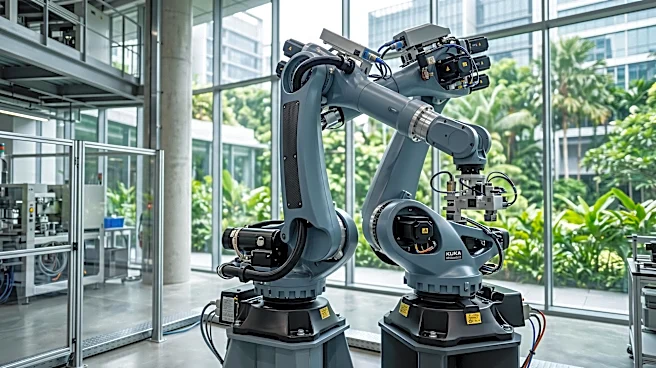
Dyson, a privately held company headquartered in Singapore, is actively recruiting a Lead Process Engineer for its Singapore Advanced Manufacturing (SAM) facility. This role is critical for supporting day-to-day manufacturing operations and achieving
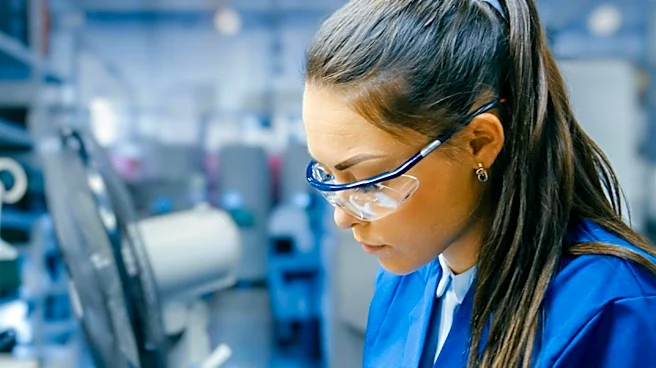
key performance indicator (KPI) targets related to yield, scrap, Overall Equipment Effectiveness (OEE), and build plan attainment. The Lead Process Engineer will be responsible for spearheading process improvement initiatives, ensuring New Product Introduction (NPI) readiness, implementing corrective actions, and stabilizing production lines. The position requires close collaboration with various internal departments, including Product, Equipment, Manufacturing Systems Engineering, Operations, and Quality, as well as external suppliers, to resolve issues and enhance process capabilities. Candidates are expected to possess a degree in Mechanical, Electrical, Mechatronics, Manufacturing, or Industrial Engineering, coupled with a minimum of five years of experience in a high-volume manufacturing or process engineering environment. Dyson emphasizes its commitment to being an equal opportunity employer, welcoming applicants from diverse backgrounds.
Why It's Important?
This recruitment drive highlights Dyson's ongoing investment in its advanced manufacturing capabilities and its strategic focus on operational excellence. By seeking a highly experienced Lead Process Engineer, Dyson aims to strengthen its production efficiency, reduce waste, and ensure the timely delivery of its consumer electronics and home appliance products. The emphasis on NPI readiness underscores the company's commitment to innovation and bringing new products to market effectively. For the U.S. market, where Dyson products are widely sold, improved manufacturing processes in Singapore could lead to more consistent product availability and potentially faster introduction of new technologies. The role's focus on continuous improvement and process control is vital for maintaining the quality and reliability of Dyson's offerings, which are key factors for consumer trust and brand loyalty in competitive markets like the U.S. This also reflects a broader trend in global manufacturing where companies are continuously optimizing their production hubs to meet international demand.
What's Next?
The successful candidate for the Lead Process Engineer position will be tasked with immediately impacting Dyson's manufacturing stability and technical standards at the Singapore Advanced Manufacturing facility. Their initial focus will involve leading process improvement projects to enhance quality, yield, OEE, and cost efficiency. They will also be instrumental in defining process requirements for upcoming NPI projects and ensuring production readiness. Furthermore, the new engineer will lead cross-functional investigations into process, quality, and manufacturing issues, ensuring effective resolution. The role also involves training and certifying process technicians and trainers, which will contribute to building internal capabilities and maintaining high operational standards. This strategic hire is expected to contribute directly to Dyson's ability to meet its advanced manufacturing ambitions and support its global product distribution, including to the U.S. market.
Beyond the Headlines
Dyson's continuous investment in engineering talent and advanced manufacturing processes, as evidenced by this job opening, reflects a broader industry trend towards sophisticated production methodologies. The company's commitment to process discipline, ownership, and continuous improvement is not merely about efficiency; it also underpins its reputation for innovative and high-quality products. The emphasis on data and statistical analysis for diagnosing issues and validating improvements points to a data-driven approach to manufacturing, which is becoming increasingly critical in complex global supply chains. Furthermore, Dyson's explicit statement about being an equal opportunity employer highlights its dedication to diversity and inclusion within its engineering workforce, recognizing that varied perspectives contribute to unique technological advancements. This approach can foster a more resilient and adaptable manufacturing environment, capable of responding to evolving market demands and technological challenges, ultimately benefiting consumers worldwide, including those in the U.S.