

What's Happening?
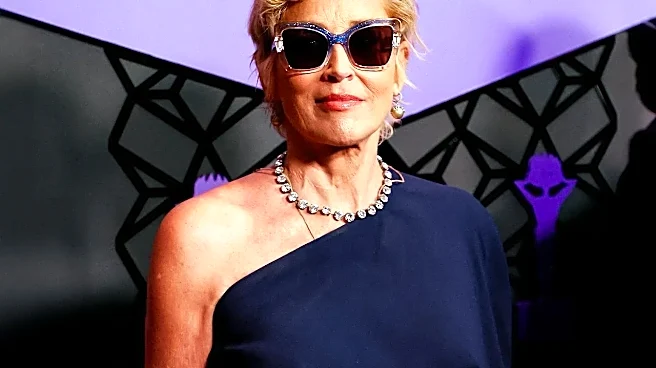
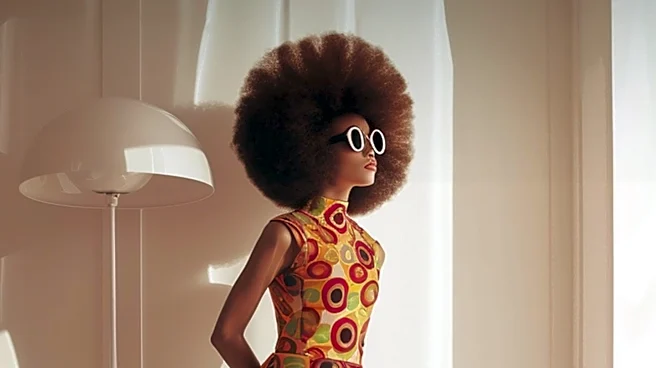
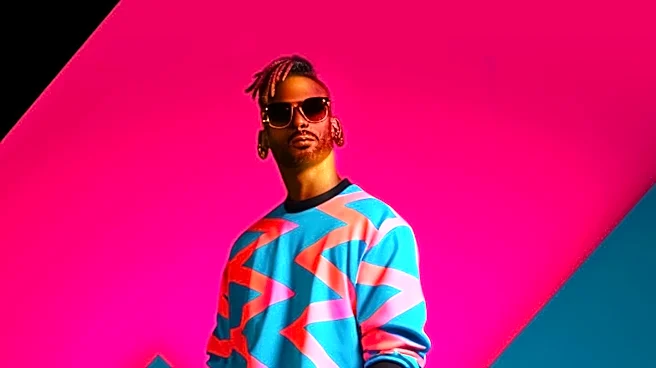
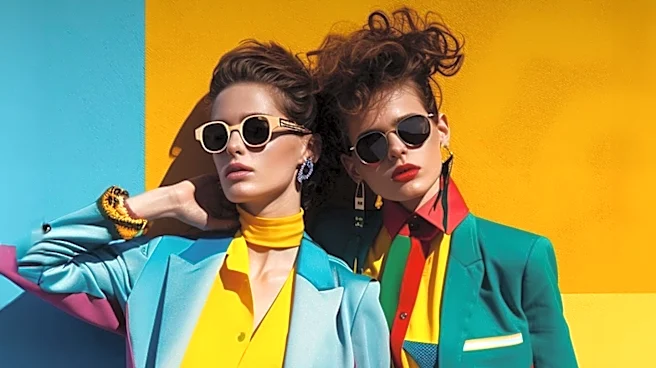
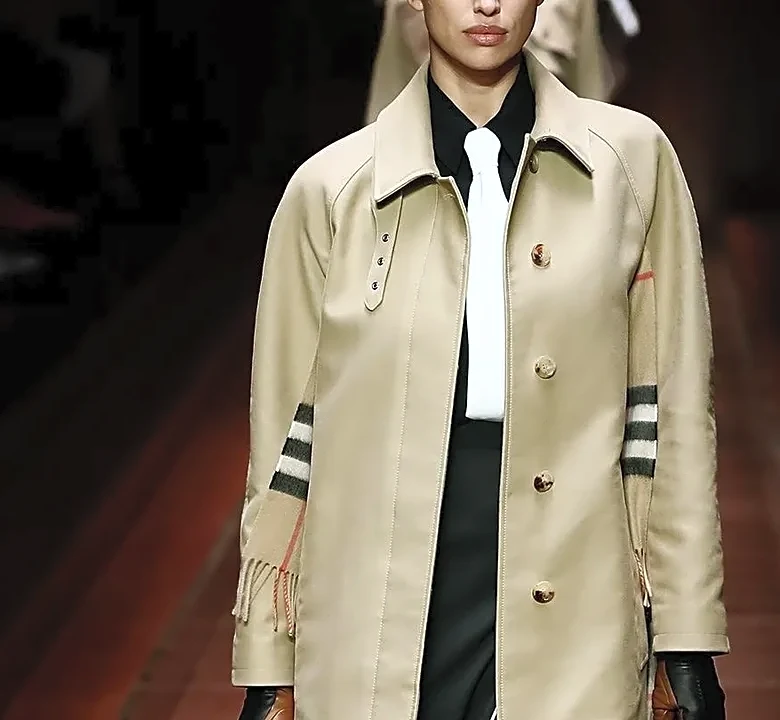
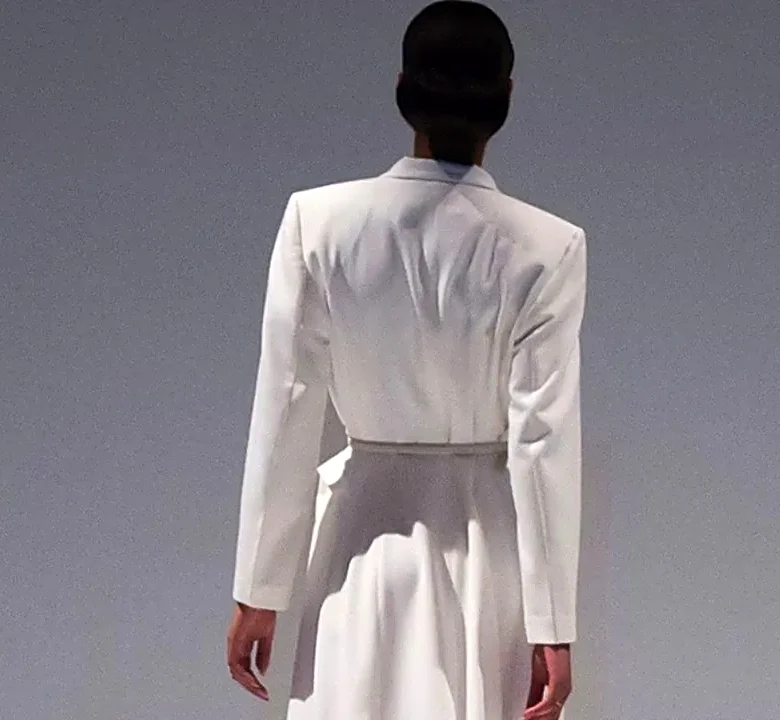
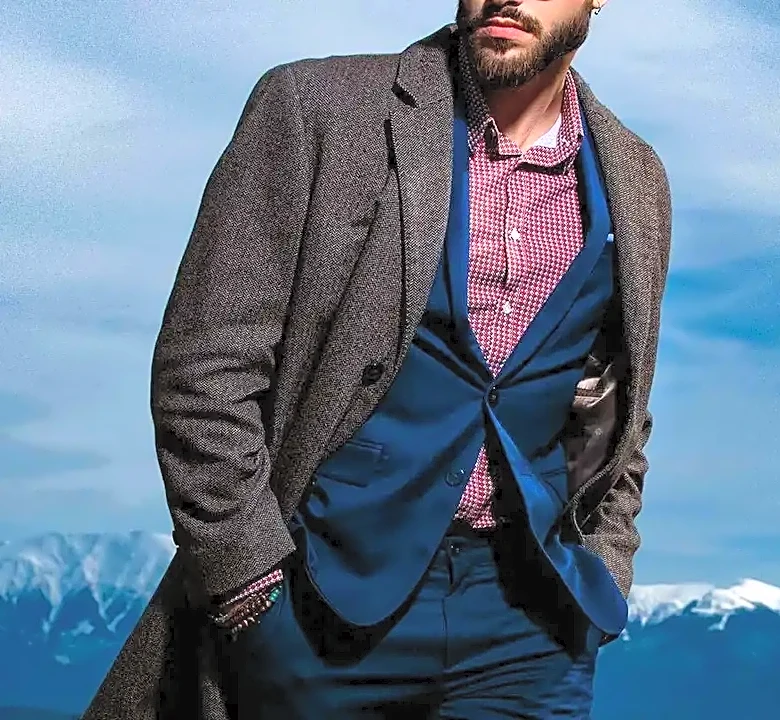
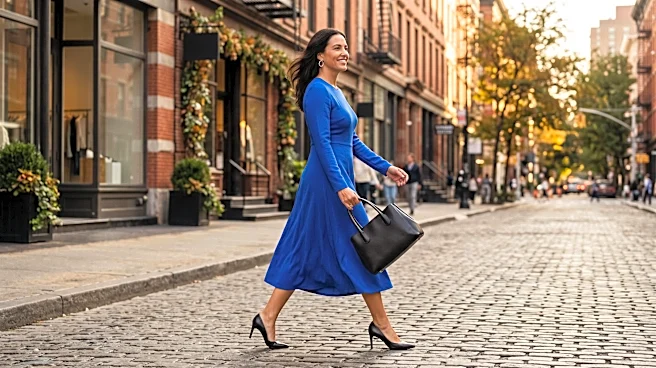
Womenswear editorials are identified as a specialized form of visual storytelling that is fundamental to the fashion industry. These editorials focus exclusively on women's fashion, utilizing striking photography, creative direction, and innovative styling
to showcase clothing and accessories. Their primary purpose is to highlight current trends and seasonal collections, while also weaving narratives that resonate with the target audience. By creating an emotional connection, these editorials serve not only to promote sales but also to build and reinforce brand identity. Effective editorials are characterized by high-quality photography, creative styling that includes color coordination and layering techniques, and engaging narratives that evoke emotion and align with the brand's ethos.
Why It's Important?
Womenswear editorials play a critical role in shaping consumer perceptions and driving purchasing decisions within the U.S. fashion market. For brands, a well-executed editorial is vital for establishing a unique identity and differentiating themselves in a highly competitive landscape. By influencing what consumers perceive as 'in vogue,' these editorials directly impact fashion trends, leading to heightened desirability for certain styles and products. This influence extends to retailers, who rely on these trends to curate their inventory and marketing strategies. Ultimately, the success of womenswear editorials can significantly affect the economic performance of fashion companies, from designers to manufacturers and retailers, by guiding consumer behavior and fostering brand loyalty.
What's Next?
The future of womenswear editorials will likely see continued evolution in their production and dissemination. Brands and fashion media will increasingly leverage digital platforms, including social media, to reach broader audiences and engage with consumers in real-time. There will be an ongoing emphasis on research into current and emerging trends to maintain relevance, along with meticulous planning for shoots, including locations, timelines, and wardrobe. A growing focus on diversity in models is anticipated to promote inclusivity and appeal to a wider demographic. Collaboration among photographers, stylists, makeup artists, and hair stylists will remain essential to create compelling visual narratives that continue to influence fashion trends and consumer engagement.
Beyond the Headlines
Beyond their immediate marketing function, womenswear editorials contribute to the broader cultural dialogue around identity, aspiration, and self-expression. By showcasing diverse models and narratives, these editorials can challenge traditional beauty standards and promote inclusivity, reflecting evolving societal values. The storytelling aspect of editorials allows fashion to transcend mere clothing, becoming a medium for communicating empowerment, adventure, or romance. This deeper engagement fosters a more profound connection between consumers and brands, transforming fashion from a transactional exchange into a form of cultural participation. The ethical implications of representation and the psychological impact of aspirational imagery are ongoing considerations within this influential segment of the fashion industry.