






What's Happening?
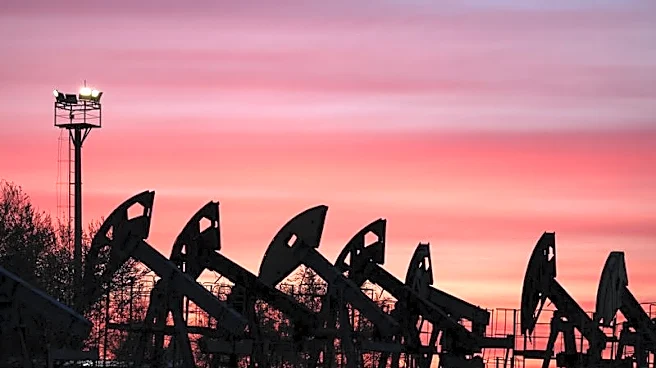
The Organization of the Petroleum Exporting Countries (OPEC) and its allies, collectively known as OPEC+, have agreed to increase oil production by 188,000 barrels per day starting in September. This decision marks the completion of a rollback of voluntary
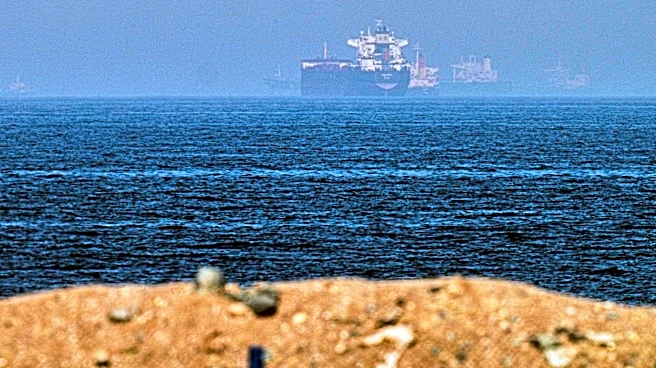
production cuts that were implemented to stabilize prices amid fluctuating demand and rising non-OPEC supply. Despite this increase, the organization faces challenges in meeting quotas due to geopolitical tensions, particularly in the Strait of Hormuz. Energy analyst David Blackmon suggests that OPEC has lost control over the crude oil markets, and the organization is struggling to function effectively.
Why It's Important?
The decision to increase oil production is significant for global oil markets, particularly for the United States, as it could lead to a more robust supply and potentially temper oil prices in the long term. However, the ongoing conflict with Iran and disruptions in the Strait of Hormuz continue to pose risks to oil supply stability. The U.S. may benefit from increased global supply, which could help stabilize domestic oil prices and reduce consumer costs. The situation underscores the complex dynamics of global oil markets and the influence of geopolitical factors on energy supply and pricing.
What's Next?
OPEC is scheduled to meet again on September 6th to discuss further production strategies. The outcome of peace talks involving Iran could significantly impact future oil supply and market stability. If tensions in the Strait of Hormuz are resolved, it could lead to a normalization of oil flows and potentially lower prices. Stakeholders, including energy companies and consumers, will be closely monitoring these developments.