
What's Happening?
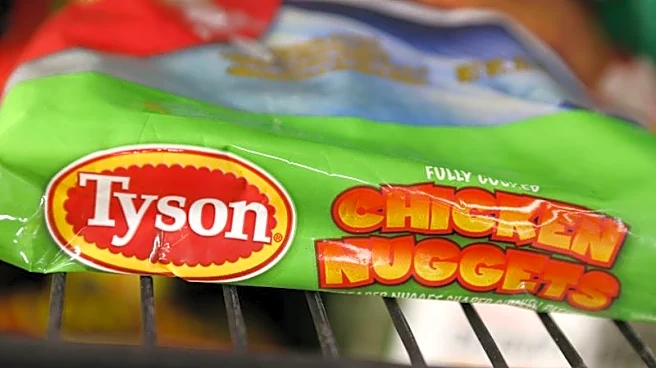
Tyson Foods CEO Donnie King has stated that the reopening of the Mexican border for cattle trade will not fully address the current U.S. beef shortage. The U.S. Department of Agriculture (USDA) plans to
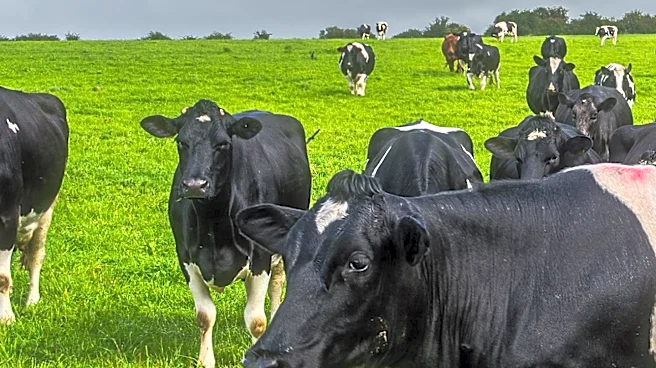
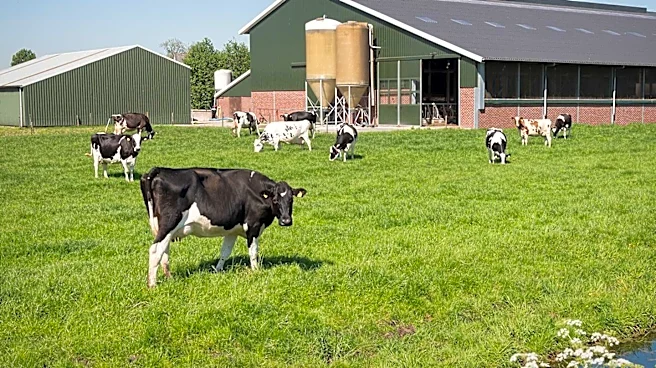
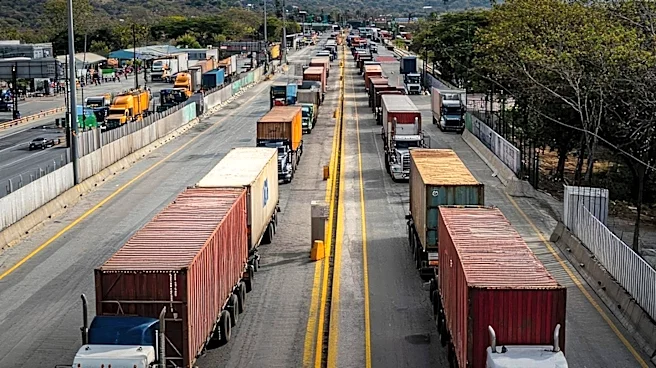
reopen the Douglas, Arizona port of entry on August 24, followed by two additional ports in New Mexico. These ports historically account for over half of U.S. cattle imports. The USDA had previously suspended cattle imports from Mexico in November 2024 and mid-2025 due to concerns about the New World screwworm. The U.S. cattle herd is currently at its lowest level in 75 years, leading to record-high beef prices. Tyson Foods reported a 15.9% drop in beef volume and a 12.1% increase in prices in its fiscal third quarter. Despite the border reopening, King emphasized that it will not completely bridge the gap in beef supply this year.
Why It's Important?
The reopening of the Mexican border for cattle trade is a significant step towards alleviating the U.S. beef shortage, but it is not a comprehensive solution. The shortage has driven up consumer beef prices, impacting both consumers and businesses reliant on beef products. Tyson Foods, a major player in the beef industry, has lowered its financial outlook for 2026 due to these challenges. The shortage also affects restaurant chains, with Texas Roadhouse, Chipotle, and others experiencing increased costs. The broader economic implications include potential inflationary pressures on food prices and challenges for the agricultural sector.
What's Next?
The reopening of the border is expected to have a delayed impact on the beef supply chain. Tyson COO Wes Morris indicated that it could take up to a year for the industry to see positive effects, as younger cattle need time to mature. The company anticipates potential improvements in 2027 and beyond. Meanwhile, Tyson Foods is focusing on internal measures to manage the situation. The USDA's inspections at the border aim to prevent the spread of the New World screwworm, ensuring the health of imported cattle.