






What's Happening?
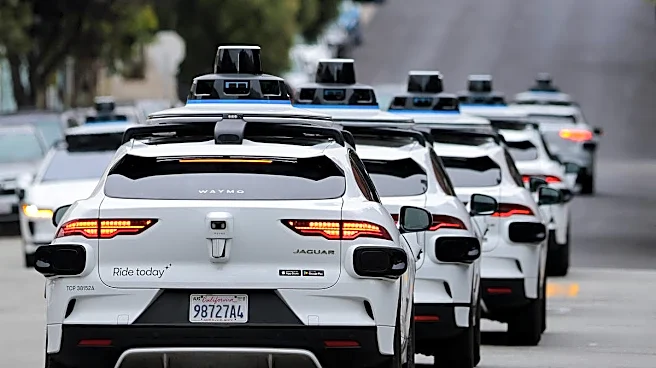
A recent study by the Insurance Institute for Highway Safety (IIHS) has found that driverless cars are involved in 68% fewer crashes compared to human-driven vehicles. The study analyzed crash data from cities like San Francisco, Phoenix, Los Angeles,
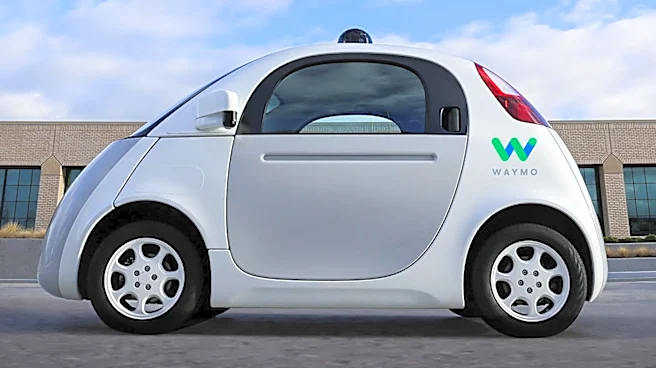
and Austin. Despite the promising safety statistics, the study highlighted significant data shortfalls, particularly in the reporting of miles traveled by autonomous vehicles. Companies like Waymo voluntarily report their mileage, but there is no mandatory requirement for others, leading to gaps in comprehensive safety assessments.
Why It's Important?
The findings underscore the potential of autonomous vehicles to enhance road safety significantly. With a lower crash rate, driverless cars could reduce traffic accidents, leading to fewer injuries and fatalities. However, the lack of standardized data reporting poses challenges in fully understanding and improving autonomous vehicle safety. This gap could hinder regulatory developments and public trust in driverless technology. The study calls for better data systems to ensure that the safety benefits of autonomous vehicles are realized and maintained as the technology evolves.
What's Next?
To address the data shortfalls, there is a need for regulatory frameworks that mandate comprehensive reporting of autonomous vehicle operations. This would enable more accurate safety assessments and facilitate the development of policies to support the integration of driverless cars into the transportation system. As companies like Waymo continue to expand their operations, ongoing research and data collection will be crucial in ensuring that safety standards are met. The study also suggests that legal clarity regarding liability in crashes involving autonomous vehicles is necessary for broader adoption.
Beyond the Headlines
The transition to driverless cars involves not only technological advancements but also cultural and legal shifts. Public perception and acceptance of autonomous vehicles will play a significant role in their widespread adoption. Additionally, the legal framework surrounding liability and insurance in the event of accidents involving driverless cars needs to be clearly defined. These factors will influence how quickly and effectively driverless technology can be integrated into everyday life.