





What's Happening?
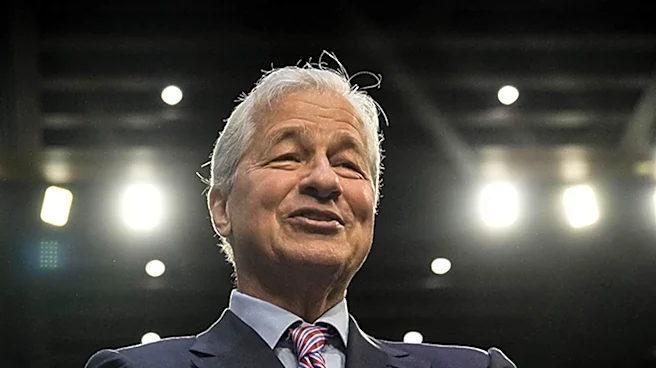
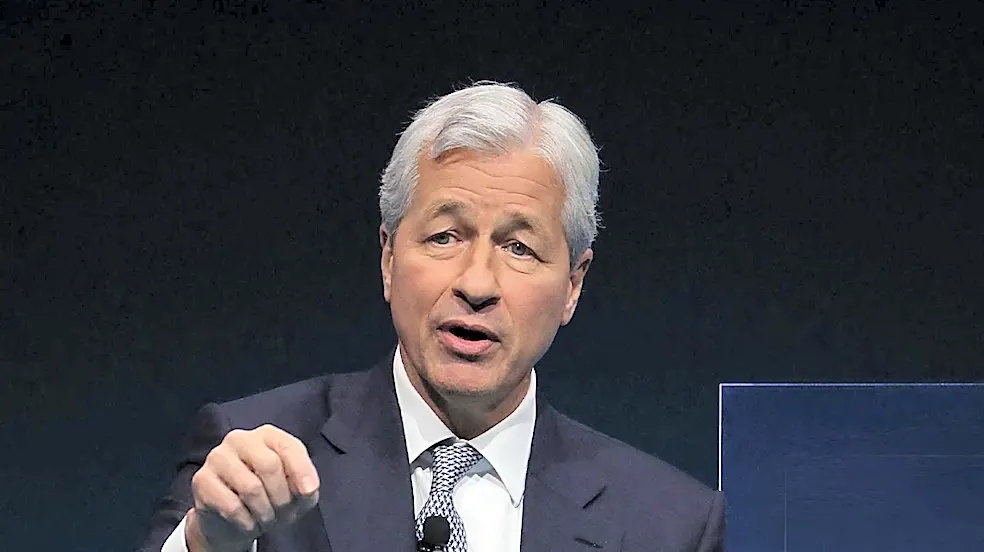
JPMorgan Chase CEO Jamie Dimon has urged businesses to bolster their cybersecurity defenses, warning that increasingly advanced artificial intelligence models could exacerbate existing cyber threats. In an interview with The Wall Street Journal, Dimon stated
that cybersecurity, which was already JPMorgan Chase’s biggest risk, has become an even greater concern with the introduction of advanced AI models like Anthropic’s Mythos. He emphasized that these developments have intensified an existing security challenge rather than creating an entirely new one. Dimon's warning extends beyond the banking industry, calling on all business leaders to treat cybersecurity as an urgent operational priority. He recommends tightening identity and access controls and isolating critical systems to limit exposure and contain potential damage from cyberattacks.
Why It's Important?
Jamie Dimon's assessment is crucial for the U.S. business landscape, particularly for sectors heavily reliant on digital infrastructure. His declaration that advanced AI makes cybersecurity the 'biggest risk by far' for JPMorgan Chase signals a significant shift in how major financial institutions perceive and prioritize digital threats. This perspective will likely influence investment decisions in cybersecurity technologies and talent across various industries. Companies that fail to heed this warning could face increased vulnerability to sophisticated cyberattacks, leading to data breaches, financial losses, reputational damage, and operational disruptions. The call for immediate action and specific measures like enhanced access controls and system isolation provides a practical roadmap for businesses to strengthen their defenses against evolving AI-powered threats, potentially setting new industry standards for digital security.
What's Next?
Following Dimon's strong warning, it is anticipated that U.S. businesses, especially those in critical infrastructure and finance, will accelerate their review and upgrade of cybersecurity defenses. This will likely involve increased investment in AI-driven security solutions, employee training on advanced cyber threats, and the implementation of stricter access management protocols. There may also be a push for greater collaboration between the private sector and government agencies to share threat intelligence and develop collective defense strategies against AI-enhanced cyberattacks. Furthermore, the financial industry could see the emergence of new regulatory guidelines or best practices specifically addressing the risks posed by advanced AI models. Companies developing AI technologies may also face increased scrutiny regarding the security implications of their models and the potential for misuse.
Beyond the Headlines
The deeper implications of advanced AI in cybersecurity touch upon the fundamental nature of digital warfare and the future of national security. As AI models become more sophisticated, they could enable attackers to launch highly targeted and evasive cyberattacks that are difficult to detect and defend against using traditional methods. This could lead to a continuous escalation in the complexity and scale of cyber threats, potentially impacting critical national infrastructure, economic stability, and even geopolitical relations. The ethical considerations of developing and deploying AI in both offensive and defensive cybersecurity roles will also become more pronounced. Balancing innovation in AI with the imperative for robust security will be a persistent challenge, requiring ongoing dialogue and collaboration among technologists, policymakers, and industry leaders to ensure responsible development and deployment of these powerful tools.