





What's Happening?
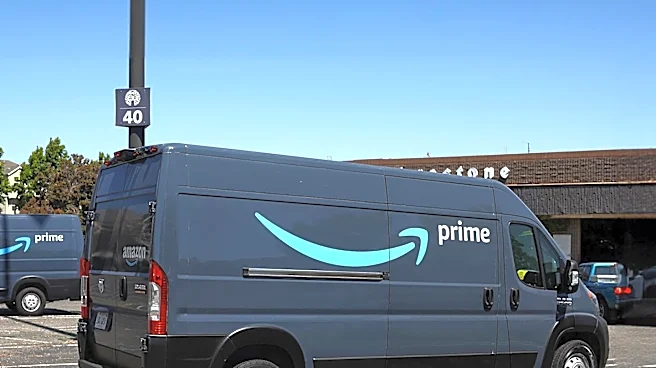
Amazon is issuing refunds of up to $200 to certain U.S. Amazon Prime customers as part of a settlement with the Federal Trade Commission (FTC). The settlement addresses allegations that Amazon enrolled millions of customers into Prime subscriptions without
their consent and made the cancellation process unduly difficult. The initial settlement, reached in September 2025, involved Amazon paying $1.5 billion to affected consumers and a $1 billion civil penalty. Eligibility for these refunds requires customers to have enrolled through challenged subscription processes or unsuccessfully attempted to cancel Prime between June 23, 2019, and June 23, 2025. Additionally, eligible customers must have used no more than 20 Prime benefits, including Prime Video and Prime Music, during any 12-month period following their enrollment. The FTC expanded eligibility requirements on September 17, 2026, increasing the maximum payout from $51 to $200 and including customers who used between 11 and 20 Prime benefits. Payments for this newly eligible group began on October 1, 2026.
Why It's Important?
This settlement is significant as it addresses consumer protection concerns regarding subscription practices of large online retailers. The FTC's action underscores the importance of clear consent for subscription enrollments and straightforward cancellation processes. For Amazon, this settlement highlights the regulatory scrutiny it faces over its business practices and could influence how it designs its subscription sign-up and cancellation flows in the future. For consumers, the refunds provide financial redress for potentially unwanted subscriptions and serve as a reminder of their rights in digital commerce. The expansion of eligibility criteria also demonstrates a broader effort to compensate more affected individuals, potentially impacting consumer trust in subscription services across the industry. The case sets a precedent for how regulatory bodies might approach similar issues with other companies, emphasizing transparency and user control over subscriptions.
What's Next?
Amazon is responsible for making all required automatic payments by April 2027. These payments will be distributed via PayPal, Venmo, or mailed checks. Customers receiving mailed checks must cash them within 60 days of issuance, while PayPal and Venmo payments must be accepted within 30 days. There is no online tool for customers to check their eligibility or track payments; however, additional information is available on the official settlement website. The FTC advises consumers to be wary of scams, emphasizing that no fee is required to receive settlement money. If customers do not receive a payment by April 2027 and believe they are eligible, they can contact the settlement administrator. This period will likely see continued distribution of funds and potential inquiries from consumers regarding their eligibility and payment status.
Beyond the Headlines
The Amazon Prime settlement extends beyond immediate financial compensation, touching upon broader ethical and legal implications in the digital subscription economy. The FTC's focus on 'dark patterns'—user interface designs that trick users into making unintended actions, such as subscribing—highlights a growing regulatory concern. This case could encourage other companies to re-evaluate their user experience designs to ensure they are transparent and user-friendly, rather than manipulative. Legally, it reinforces the FTC's role in protecting consumers from deceptive practices in the online marketplace. Culturally, it may foster greater consumer awareness and vigilance regarding subscription services, prompting users to scrutinize sign-up processes and cancellation policies more closely. In the long term, this development could contribute to a shift towards more ethical design principles in digital services, prioritizing user autonomy and informed consent over aggressive growth tactics.