


What's Happening?
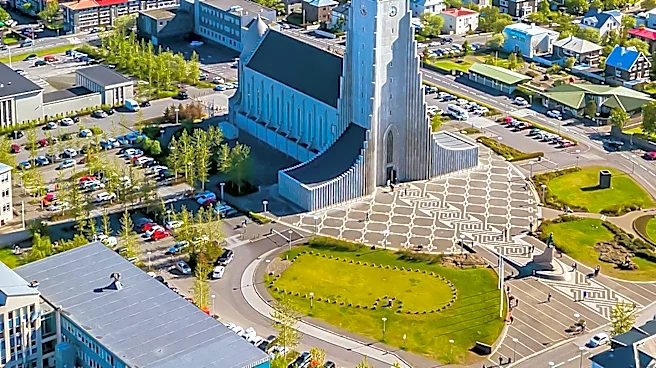
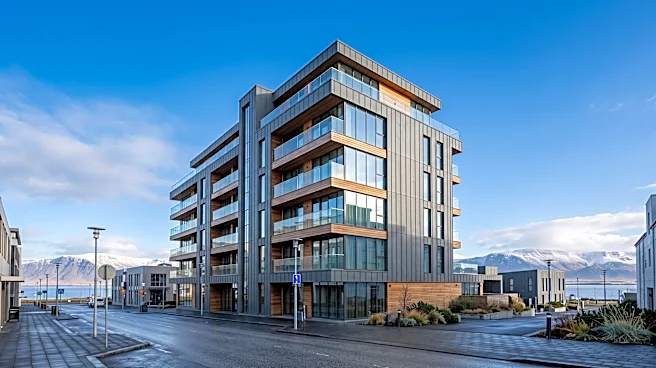
Reykjavík, Iceland, is highlighted as a distinctive travel destination, characterized by its 'quirky, whimsical, and wonderfully peculiar' nature, as described by Icelandic fashion designer Steinunn Sigurðardóttir. The city's architecture is a mix of
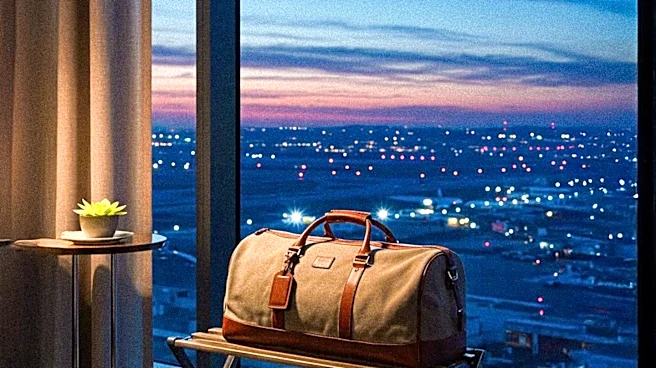
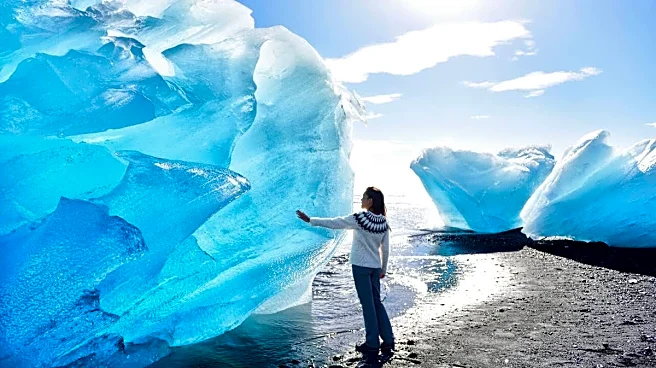
old and modern buildings with unexpected details, colors, and styles, contributing to its unique personality. Visitors can find a range of accommodations, from the contemporary Reykjavík EDITION, located by the Harpa Concert Hall with modern interiors and a rooftop bar, to the centrally located 101 Hotel, which showcases Icelandic art. The city also boasts a vibrant cultural scene with numerous museums, including the Reykjavík Art Museum and the National Gallery of Iceland. Beyond the city, the Krýsuvík geothermal area on the Reykjanes Peninsula offers natural attractions like hot springs, mud pots, and steam vents, providing a glimpse into Iceland's geological activity. The city encourages exploration beyond typical tourist offerings, emphasizing local experiences like neighborhood swimming pools and diverse culinary options.
Why It's Important?
The growing appeal of Reykjavík as a unique travel destination signifies a broader trend in tourism towards experiences that offer authenticity and distinct cultural immersion. For the U.S. travel industry, this highlights a demand for destinations that move beyond conventional tourist traps, focusing on local life, art, and natural wonders. The city's emphasis on its unique architectural style and vibrant creative community can attract a niche market of travelers seeking inspiration and unconventional beauty. The availability of diverse accommodation options, from luxury hotels to boutique stays, caters to a wide range of budgets and preferences, potentially increasing tourist flow from the U.S. Furthermore, the integration of natural attractions like the Krýsuvík geothermal area with urban cultural experiences provides a comprehensive travel package that appeals to those looking for both adventure and relaxation, contributing to Iceland's growing reputation as a prime destination for experiential travel.
What's Next?
As Reykjavík continues to gain recognition, it is likely to see increased tourism from the U.S., prompting further development in its hospitality and tourism sectors. Hotels and local businesses may expand their offerings to cater to a more diverse international clientele, potentially leading to new cultural tours, culinary experiences, and outdoor adventure packages. The city's focus on its unique identity and local experiences suggests a future trend where authenticity becomes a key selling point for destinations. This could encourage other cities globally to highlight their distinct characteristics rather than conforming to generic tourist expectations. Additionally, the emphasis on natural attractions like geothermal areas may lead to increased investment in sustainable tourism practices to preserve these delicate environments while accommodating more visitors. Travelers can expect more curated experiences that blend urban exploration with natural excursions, offering a holistic view of Icelandic culture and landscape.
Beyond the Headlines
Reykjavík's success in branding itself as 'quirky' and 'peculiar' reflects a deeper cultural shift in how destinations market themselves and how travelers choose their experiences. This approach moves beyond traditional picturesque beauty, embracing the unconventional and authentic. Ethically, this raises questions about how to manage increased tourism while preserving the unique character that attracts visitors in the first place. The balance between development and conservation, especially in sensitive geothermal areas, will be crucial. Culturally, the city's celebration of its mismatched architecture and local art scene fosters a sense of pride and distinct identity, which can inspire other cities to value and promote their own unique urban landscapes and creative communities. This trend also highlights the growing influence of local voices, like fashion designers and artists, in shaping a city's public image, moving away from purely commercial tourism narratives.