


What's Happening?
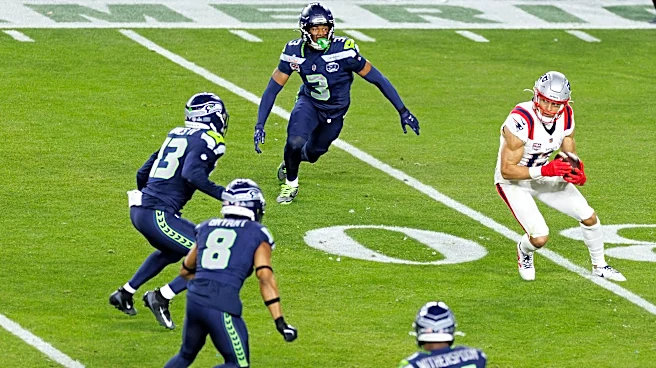
The highly anticipated rematch between the Seattle Seahawks and the San Francisco 49ers will not be flexed to 'Sunday Night Football,' despite its potential as a marquee matchup. Instead, the Week 12 primetime slot will feature the Las Vegas Raiders at the Cleveland
Browns. The decision to not flex the Seahawks-49ers game is attributed to NFL media rights rules, rather than a lack of interest in the game itself. FOX, one of the NFL's rights holders, likely 'protected' the Seahawks vs. 49ers game. Under current rules, FOX and CBS have expanded abilities during flex windows (Weeks 5-17) to protect one marquee matchup from being moved to NBC, ESPN, or Prime Video. This allows them to retain high-value divisional games for their own broadcast schedules.
Why It's Important?
This situation highlights the significant influence of media rights agreements on NFL scheduling and broadcast decisions. The inability to flex a potentially more compelling game like Seahawks vs. 49ers to 'Sunday Night Football' demonstrates how contractual obligations and network protections can override what might be considered the most attractive matchup for a national primetime audience. For fans, this means that some of the most exciting games may not always be available in the most prominent viewing slots. For the networks, the ability to 'protect' games ensures they retain valuable content, which is crucial for advertising revenue and viewership. This decision underscores the complex interplay between sports entertainment, broadcasting rights, and financial interests in professional football, where strategic scheduling is as much about business as it is about competitive balance.
What's Next?
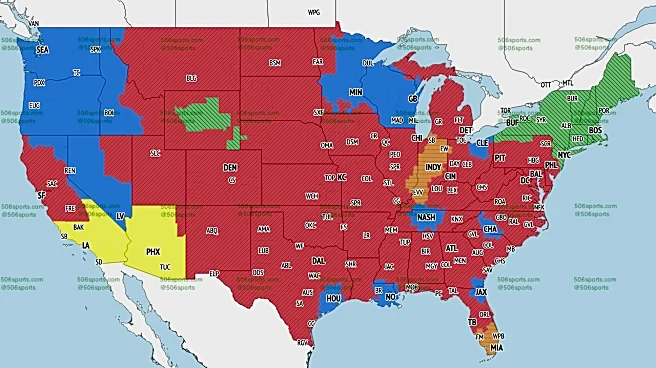
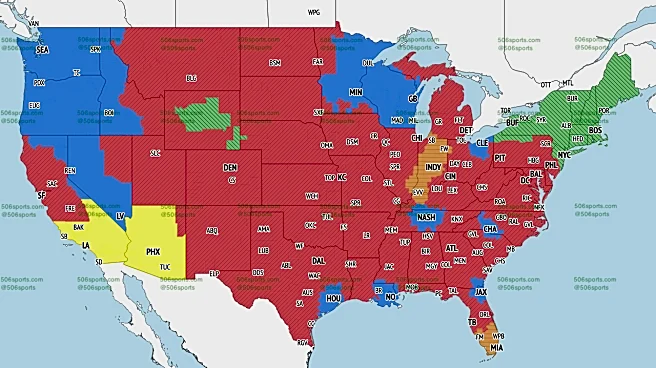
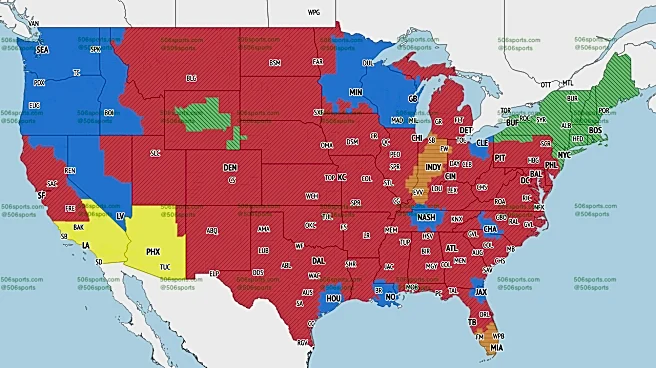
The Seahawks-49ers rematch will proceed as scheduled, likely airing as FOX's feature late game, ensuring most of the country will still have access to the broadcast. This outcome means that while the game won't receive the national primetime spotlight of 'Sunday Night Football,' it will still be widely viewed. The NFL and its broadcast partners will continue to navigate these media rights rules throughout the season, making similar decisions based on contractual agreements and network protections. Fans will need to consult local listings to confirm broadcast details for future games, as these rules can lead to variations in national and regional coverage. The ongoing balance between maximizing viewership and honoring network contracts will remain a key aspect of NFL scheduling.
Beyond the Headlines
The 'flex scheduling' mechanism in the NFL was introduced to ensure that the most competitive and impactful games are featured in primetime slots, theoretically benefiting fans and advertisers. However, the 'protection' clauses within media rights contracts introduce a layer of complexity, sometimes preventing what might be considered the 'best' game from being moved. This creates a tension between the league's desire for maximum exposure for its most exciting matchups and the financial interests of its broadcast partners. It also raises questions about the ultimate beneficiary of these rules: are they primarily serving the networks by guaranteeing them high-value content, or are they designed to enhance the fan experience by ensuring a strong slate of games across all broadcast windows? This dynamic is a constant negotiation in the modern sports media landscape, shaping how and when millions of fans consume NFL content.