




What's Happening?
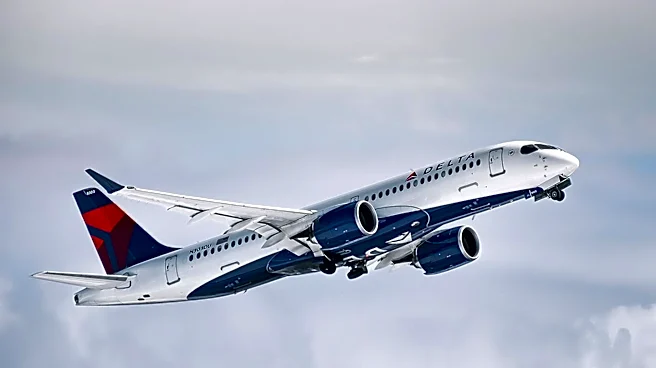
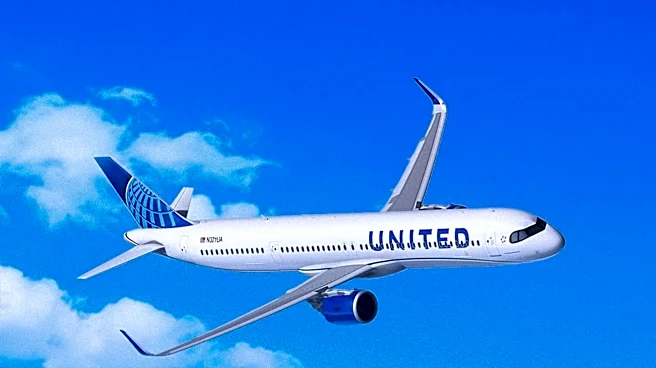
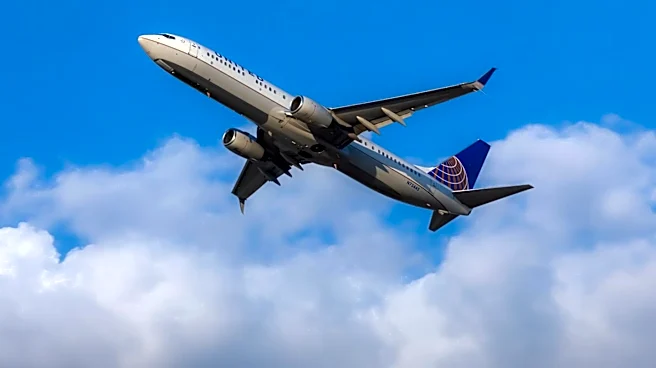
U.S. airlines, including American Airlines, Delta Air Lines, and United Airlines, are requesting extensions for temporary route waivers for flights to China and Cuba. These waivers, initially introduced during the COVID-19 pandemic, allow carriers to suspend
services without losing their route authorities. The airlines are seeking relief for 79 of their combined 129 weekly China frequencies and additional flexibility for Cuba services, covering the period from October 25 through March 27, 2027. United has the largest request for China, seeking a waiver for 42 of its 66 weekly frequencies, while Delta is requesting protection for 23 of its 42 weekly frequencies. American is seeking an extension for 14 of its 21 weekly China frequencies. For Cuba, American has requested a dormancy waiver for all its U.S.-Cuba authorities, and Delta is seeking a waiver for 14 of its 21 weekly Havana frequencies. Southwest Airlines is also requesting relief for its 14 weekly Cuba frequencies.
Why It's Important?
This move highlights the persistent challenges faced by U.S. airlines in the China and Cuba markets, where demand has not recovered to pre-pandemic levels. The waivers are crucial for airlines to avoid operating unprofitable routes while retaining the long-term rights to these valuable international markets. The continued low demand for China routes is attributed to various factors, including geopolitical tensions and economic conditions, while the Cuba market is impacted by ongoing economic conditions in Cuba and tighter U.S. restrictions. The waivers prevent airlines from being forced to choose between operating financially unviable flights or permanently forfeiting their allocated slots, which are significant assets. This situation affects the airlines' profitability and strategic planning for international expansion and recovery.
What's Next?
The U.S. Department of Transportation (DOT) will review these requests for waiver extensions. If granted, airlines will continue to adjust their flight schedules to China and Cuba, maintaining reduced frequencies without penalty. Airlines like Delta have indicated they will reassess market conditions in the coming months and may request further relief if necessary. The situation could also be influenced by any outcomes from an expected U.S.-China summit later in September, which might impact travel policies or demand. For Cuba, any changes in U.S.-Cuba relations or economic improvements in Cuba could eventually lead to a restoration of demand and increased flight frequencies. However, for the immediate future, a continued period of reduced service is anticipated.
Beyond the Headlines
The ongoing need for these waivers underscores the broader economic and geopolitical factors influencing international air travel. The U.S.-China market, once a highly lucrative sector, remains significantly constrained, reflecting not just pandemic after-effects but also a cooling in economic ties and increased geopolitical friction. The substantial reduction in trade between the U.S. and China, as noted by the Office of the U.S. Trade Representative, directly impacts business travel demand. Similarly, the challenges in the Cuba market reflect the complex interplay of U.S. foreign policy, economic sanctions, and the internal economic struggles of Cuba. These situations illustrate how global events and political decisions can have profound and lasting effects on commercial aviation, forcing airlines to adapt their strategies and seek regulatory flexibility to navigate uncertain international landscapes.