





What's Happening?
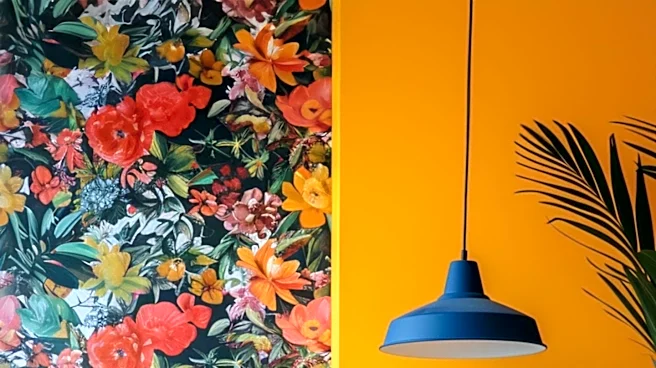
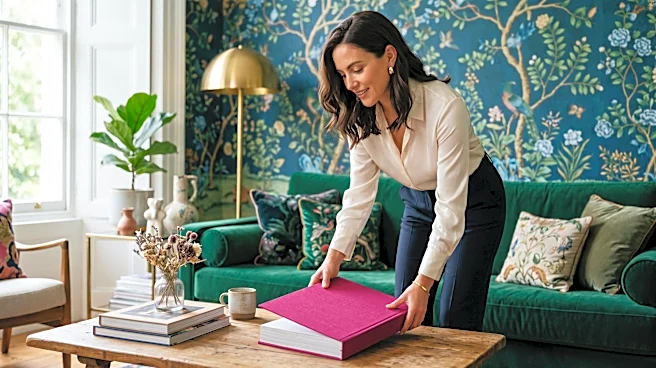
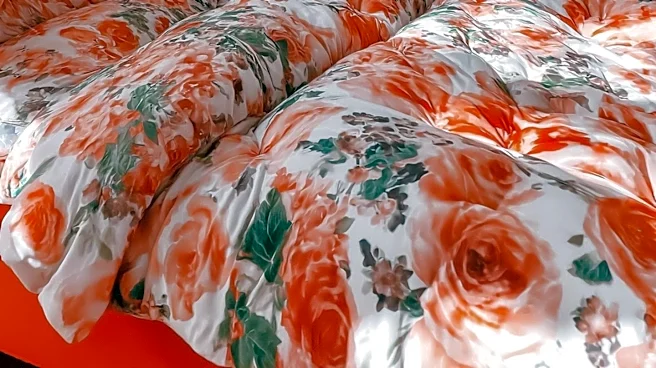
Maximalism, an aesthetic characterized by excess and the principle that 'more is more,' is gaining traction in interior design. This style focuses on expressing personality through a combination of rich colors, layered patterns, vintage accents, and statement
pieces. In a maximalist interior, elements like sculptural furniture, colorful artwork, and attention-grabbing decor are prominent. The approach often incorporates intricately carved antique doors, which introduce texture and craftsmanship, contrasting with the clean lines typically associated with mid-century design. These doors can serve as focal points against saturated walls, geometric textiles, and warm wood furniture, adding depth and a sense of history to a space. The core idea is to create a room where each piece possesses its own distinct character, rather than aiming for perfect coordination.
Why It's Important?
The resurgence of maximalism in interior design signifies a shift away from overly restrained aesthetics, offering a counterpoint to minimalist trends. This movement is important as it allows for greater individual expression and creativity in home environments, moving beyond standardized, neutral palettes. For the U.S. design industry, this trend could lead to increased demand for unique, handcrafted, and vintage items, benefiting artisans, antique dealers, and specialized furniture manufacturers. Consumers are increasingly seeking spaces that reflect their personal stories and tastes, which maximalism readily accommodates by encouraging the integration of diverse elements. This approach also challenges the notion that design must be uniform, promoting a more eclectic and personalized consumer market for home furnishings and decor.
What's Next?
As maximalism continues to evolve, designers and homeowners are likely to explore more sophisticated ways to integrate diverse elements without creating clutter. The focus will remain on intentional curation, where each piece, despite its abundance, contributes meaningfully to the overall aesthetic. We can expect to see continued innovation in combining different eras and styles, such as mid-century modern with ornate vintage pieces. The market for custom-designed elements, like carved doors and bespoke rugs, is also anticipated to grow, as these items are crucial for achieving the layered and personalized look central to maximalism. Furthermore, the trend may influence broader retail strategies, with stores offering more diverse and unique product selections to cater to this demand for individuality and rich aesthetics.
Beyond the Headlines
Beyond its visual appeal, maximalism reflects a deeper cultural shift towards valuing authenticity and personal narrative in consumer choices. In an increasingly digital and often impersonal world, people are seeking tangible ways to express their identity and create environments that feel uniquely their own. This aesthetic can be seen as a form of rebellion against mass-produced uniformity, encouraging a more thoughtful and curated approach to consumption. It also highlights the psychological benefit of surrounding oneself with objects that evoke joy and meaning, rather than adhering to strict, often restrictive, design rules. The emphasis on vintage and handcrafted items also subtly promotes sustainability by encouraging the reuse and appreciation of existing goods, fostering a more circular economy within the design sector.