
What's Happening?
Tremaine Emory, known for his work as the creative director of Supreme and founder of a prominent streetwear brand, is being honored with his first-ever museum retrospective. The exhibition showcases his journey
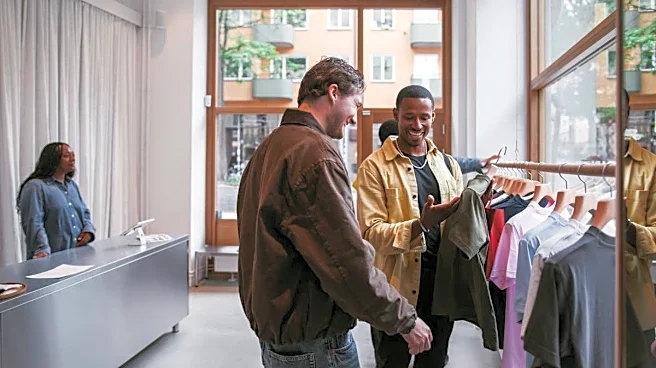
and body of work, which includes a significant period working in retail at Marc Jacobs for nine years, starting as a stockroom associate in New York City and culminating as a store manager in London. Emory's emotional response to the retrospective underscores the personal significance of this milestone, especially following a serious health scare in late 2022 where he was hospitalized for three months after an aneurysm. The event brought together many of the same people who supported him during his recovery, highlighting the deep personal connections intertwined with his professional achievements.
Why It's Important?
This retrospective is important as it shines a light on the diverse paths to success within the fashion industry, demonstrating that a traditional trajectory is not always necessary. Emory's story, moving from retail to a highly influential creative role, offers an inspiring narrative for aspiring designers and creatives who may not come from conventional design backgrounds. It also emphasizes the value of foundational experiences, such as retail, in understanding consumer needs and the operational aspects of a brand. The recognition of Emory's work in a museum setting elevates streetwear and its cultural impact to a more formal artistic and historical context, acknowledging its significant influence on contemporary fashion and culture. His personal journey of overcoming adversity further adds a layer of human resilience and determination to his professional accomplishments.
What's Next?
The museum retrospective is likely to further solidify Tremaine Emory's standing as a significant figure in contemporary fashion and culture. It could lead to increased collaborations, speaking engagements, and educational opportunities, allowing him to share his experiences and insights with a broader audience. For the institutions involved, such as the SCAD, hosting such a retrospective enhances their reputation as platforms for showcasing diverse and impactful artistic voices. The event may also inspire other museums and galleries to explore the cultural significance of streetwear and the careers of individuals who have shaped this segment of the fashion industry. Emory's continued communication with students he has mentored suggests an ongoing commitment to fostering new talent, which could see him take on more formal mentorship or educational roles in the future.
Beyond the Headlines
Beyond the immediate recognition, Tremaine Emory's retrospective highlights a broader shift in how the fashion industry and cultural institutions perceive and value streetwear. Historically, streetwear was often marginalized, but its inclusion in a museum setting signifies its undeniable influence on mainstream fashion, art, and youth culture. This event also subtly challenges traditional notions of what constitutes 'high fashion' and 'art,' advocating for a more inclusive definition that embraces diverse forms of creative expression. Emory's personal battle with health and his subsequent recovery add a profound human element to his professional narrative, underscoring the often-unseen struggles behind public success. It encourages a deeper appreciation for the individual journeys of creators and the resilience required to navigate both personal and professional challenges in highly competitive industries.