


What's Happening?
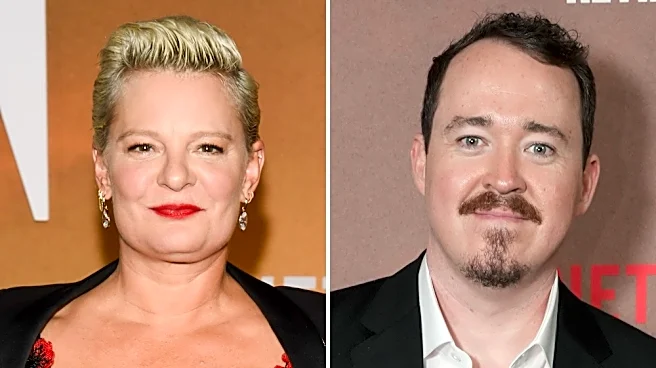
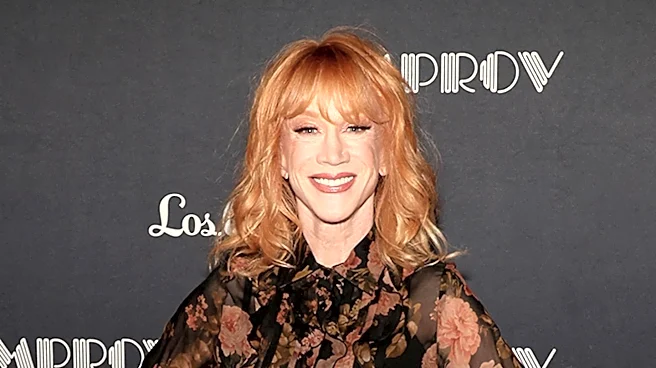
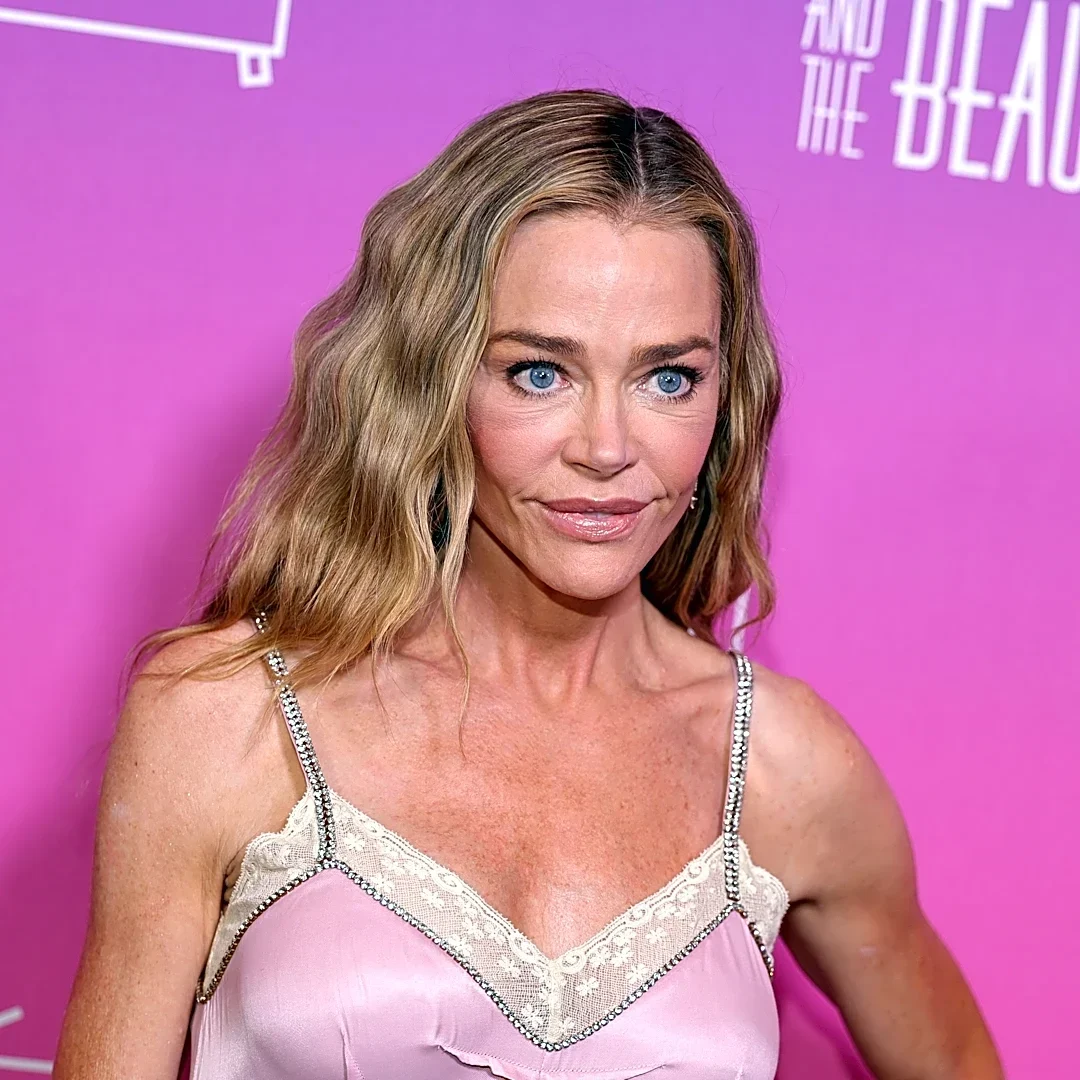
Comedian Kathy Griffin has publicly criticized Shane Gillis following his recent 'Saturday Night Live' monologue, calling him a 'hack' and suggesting he represents a group of male comics who 'all look like they can’t get laid.' Griffin's comments came
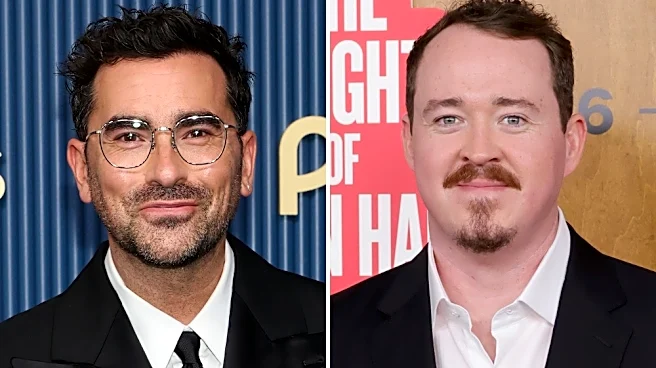
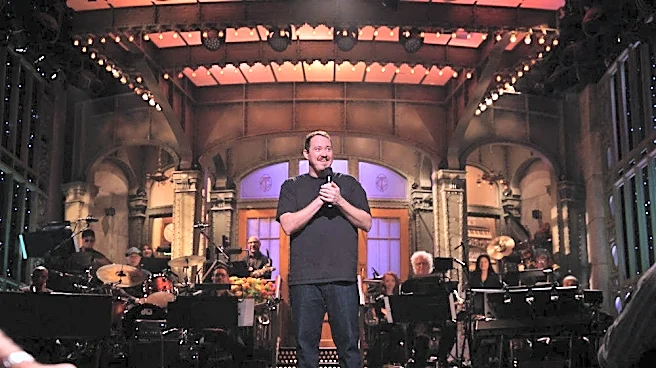
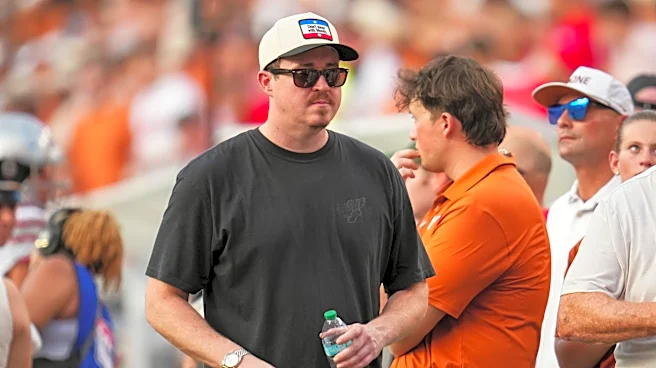
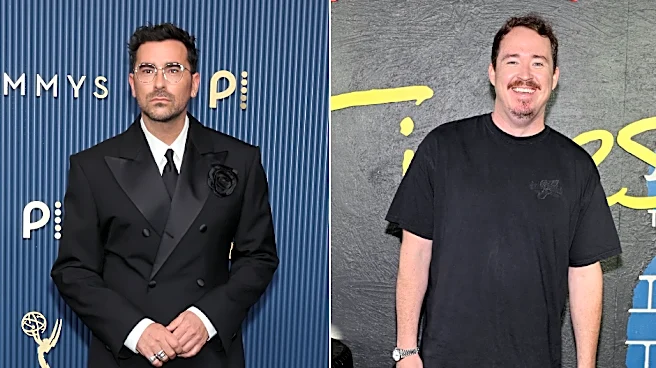
after Gillis made jokes about women's attire at gyms, specifically referring to their shorts. During his monologue, Gillis described women wearing 'neon… artificial-bait color' shorts with 'wrinkles [that] go around the cheeks and all combine at the butthole,' adding that men are 'not allowed to look' because women are filming for TikTok. While Griffin defended Gillis's First Amendment right to make such jokes, she also asserted her right, and others', to disapprove of them. Gillis was previously fired from 'SNL' in 2019 due to backlash over resurfaced racist and homophobic slurs from his podcast. Other celebrities, including 'SNL' alum Ego Nwodim and Dan Levy, have also criticized Gillis's remarks, with Levy stating that women wearing short shorts to the gym does not make them 'whores,' but rather makes men who call them that 'misogynists.'
Why It's Important?
This incident highlights ongoing tensions within the comedy world regarding offensive humor, freedom of speech, and evolving societal standards. Kathy Griffin's critique, while defending free speech, also underscores a generational and stylistic divide among comedians. Her comments about a 'hack' culture emerging from platforms like TikTok and podcasts, influenced by figures like Joe Rogan, suggest a concern about the quality and originality of contemporary comedy, particularly when it targets women with what she describes as '100 years ago' jokes. The backlash from other public figures like Dan Levy and Ego Nwodim further emphasizes that certain types of humor are increasingly being scrutinized for their misogynistic undertones. This debate is significant as it reflects broader cultural conversations about what constitutes acceptable humor, the responsibilities of comedians, and the impact of their words on public discourse, especially on a prominent platform like 'Saturday Night Live.' The controversy also reignites discussions about accountability for past offensive remarks, given Gillis's prior firing from 'SNL' for similar issues.
What's Next?
The immediate aftermath of this controversy will likely involve continued public discussion and debate across social media and entertainment news outlets regarding Shane Gillis's comedic style and the broader implications for stand-up comedy. Gillis's representatives have not yet responded to Page Six's request for comment, but his future public statements or performances may address the criticism. Other comedians and public figures may weigh in, either in support of Gillis's right to free speech or in condemnation of his jokes. 'Saturday Night Live' may face scrutiny for providing a platform to Gillis, especially given his past controversies. This event could also influence how comedy clubs and television networks approach booking comedians known for provocative or controversial material, potentially leading to more cautious decisions or, conversely, emboldening those who champion 'edgy' humor. The ongoing dialogue will likely contribute to the evolving landscape of comedic expression and audience expectations.
Beyond the Headlines
Beyond the immediate reactions, this incident touches upon deeper ethical and cultural dimensions within the entertainment industry. It raises questions about the line between provocative humor and offensive content, and whether comedians have a responsibility to adapt their material to changing social norms. Griffin's observation about a segment of male comedians who 'all look alike' and tell 'the same jokes' about women suggests a critique of a perceived lack of diversity in comedic perspectives and a reliance on outdated tropes. This situation also highlights the power of platforms like 'Saturday Night Live' to amplify voices and the subsequent responsibility that comes with that reach. The repeated controversies surrounding Gillis specifically, and the broader debate about 'cancel culture' versus accountability, underscore a societal struggle to balance freedom of expression with the desire for inclusivity and respect. This ongoing tension could lead to long-term shifts in how comedy is produced, consumed, and critiqued, potentially fostering a more diverse and thoughtful comedic landscape or further entrenching existing divides.