

What's Happening?
Fitness bootcamps across the United States are providing varied approaches to physical training, catering to different fitness levels and goals. The EPIC Bootcamp program, for instance, focuses on strength, conditioning, functional movement, and injury
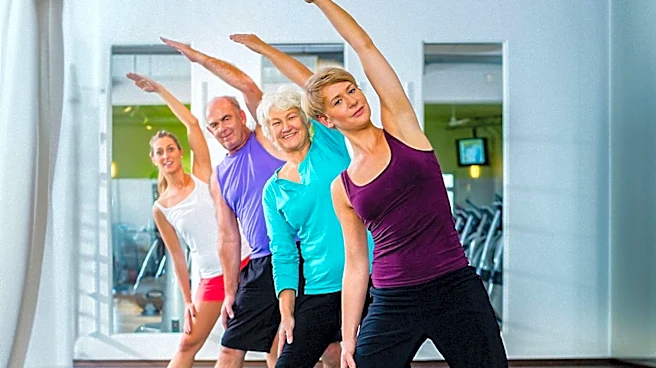
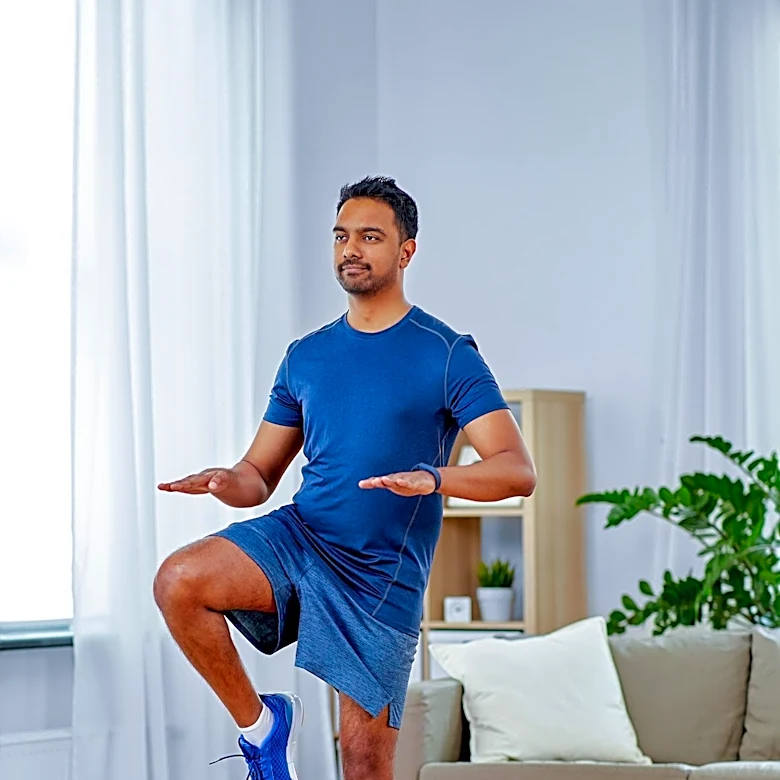
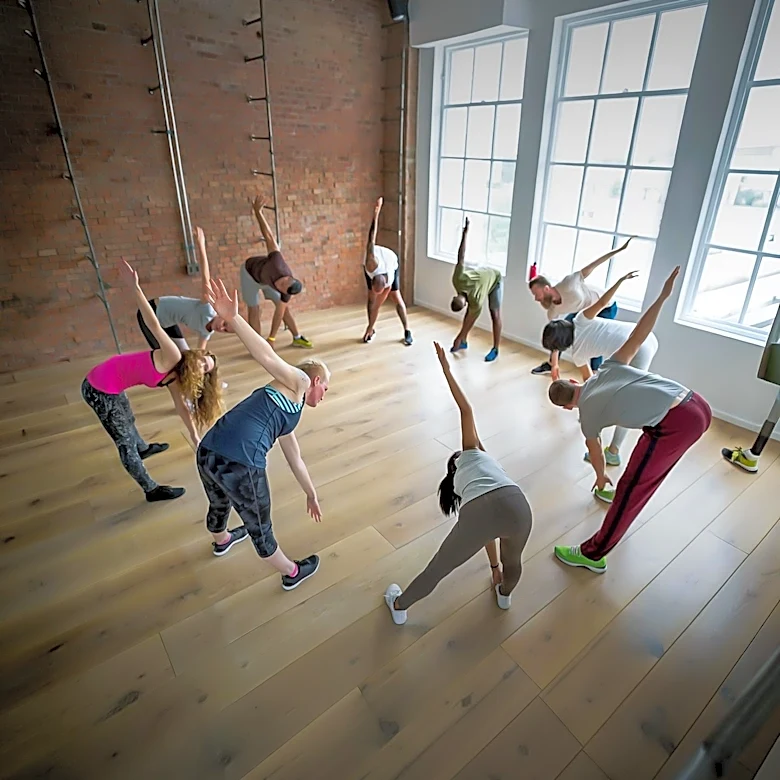
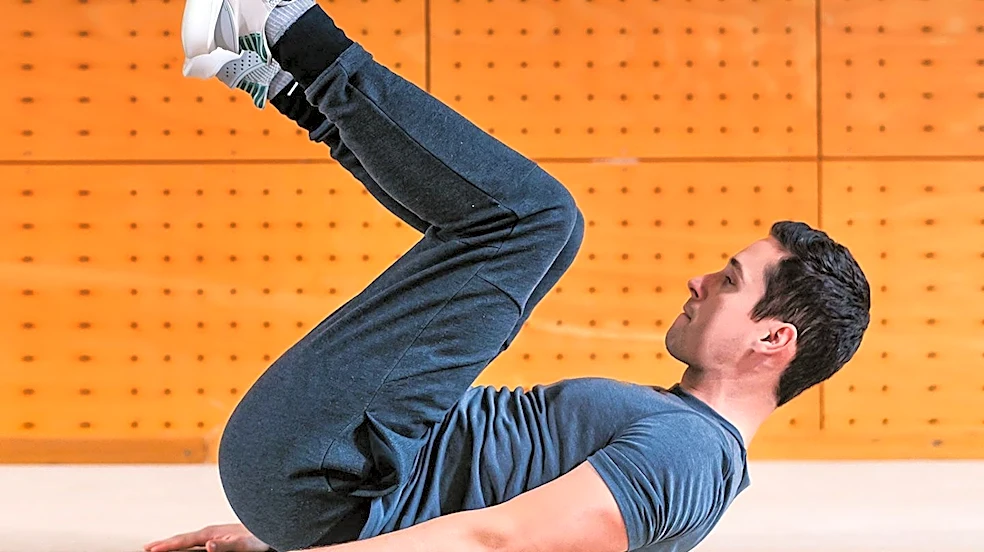
prevention for athletes of all ages and abilities. Its classes, held at the Community Resource Center in Panorama City, incorporate High-Intensity Interval Training (HIIT) with strength and cardio exercises, operating on a first-come, first-served basis. Similarly, Fit Body Boot Camp in Toledo, Ohio, offers 30-minute weight loss bootcamps that combine HIIT with Active Rest Training. Meanwhile, Tyndall Fitness Boot Camp at Tyndall Air Force Base provides high-energy, full-body workouts that integrate strength, cardio, and endurance training to help participants achieve their fitness objectives. These programs highlight a growing trend in structured, intensive group fitness.
Why It's Important?
The proliferation of diverse fitness bootcamps across the U.S. signifies a broader societal emphasis on health and wellness, impacting the fitness industry and public health. These programs offer accessible and structured environments for individuals to improve their physical condition, potentially leading to reduced healthcare costs and increased productivity. For the fitness industry, the variety of bootcamp models—from athlete-focused training to weight loss programs and military-base specific offerings—demonstrates a dynamic market responding to diverse consumer needs. This trend also fosters community engagement through group exercise, which can enhance mental well-being alongside physical health. The emphasis on injury prevention, as seen in programs like EPIC Bootcamp, is particularly important, as it promotes sustainable fitness practices and reduces the risk of setbacks for participants.
What's Next?
The continued evolution of fitness bootcamps is likely to see further specialization and integration of technology. As demand for personalized yet communal fitness experiences grows, more programs may emerge targeting specific demographics or fitness goals, such as senior fitness bootcamps or those focused on rehabilitation. The use of wearable technology and fitness tracking apps could become more prevalent, allowing participants and instructors to monitor progress and tailor workouts more effectively. Additionally, the success of these programs may inspire broader public health initiatives to incorporate similar high-intensity, functional training methods into community-based wellness programs. The 'first-come, first-served' model seen in some bootcamps might also evolve to include more advanced booking systems or tiered membership options to manage demand and enhance participant experience.
Beyond the Headlines
Beyond the immediate physical benefits, the rise of fitness bootcamps reflects deeper cultural shifts towards experiential wellness and community-driven health. These programs often foster a sense of camaraderie and mutual support among participants, transforming exercise from a solitary chore into a shared endeavor. This communal aspect can be particularly beneficial in combating social isolation and promoting mental resilience. Ethically, the emphasis on 'MAX effort' and 'pushing limits' in some bootcamps raises questions about ensuring safety and preventing overtraining, highlighting the importance of qualified instructors and individualized modifications. The accessibility of these programs, particularly those offered at community centers or military bases, also underscores their potential role in promoting equitable access to fitness resources across different socioeconomic groups.