



What's Happening?
The DIY furniture market is experiencing significant growth, fueled by increasing consumer demand for sustainable and personalized home furnishings. Upcycled furniture, which involves repurposing existing items into new pieces, is a key driver of this
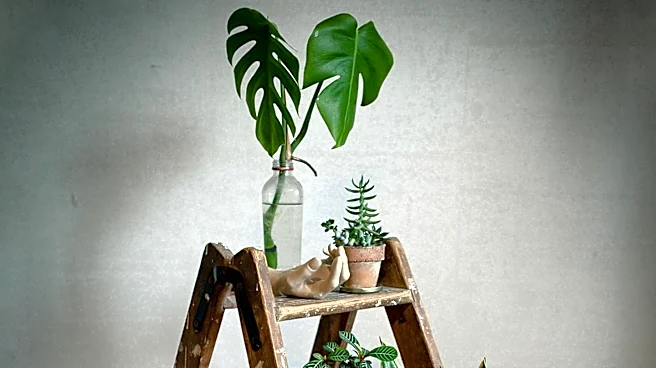
trend. Consumers are actively seeking cost-effective solutions and unique aesthetics that reflect their individual styles. Companies like Herman Miller and Godrej are integrating sustainability into their product lines, recognizing the shift in consumer preferences. The use of recycled materials, such as rubber, in furniture production is also becoming more prevalent, offering contemporary and eco-friendly options. Examples of upcycled projects include transforming bicycle handlebars into chairs and repurposing old dressers into dollhouses, showcasing the versatility and creativity within the movement. Durat, a sustainable composite material, is being utilized in various furniture pieces, emphasizing durability and ease of maintenance, further contributing to the market's expansion.
Why It's Important?
This trend signifies a broader shift in consumer values towards sustainability and individuality within the U.S. market. The growth of the DIY furniture sector and the popularity of upcycling indicate a move away from mass-produced, disposable items towards more thoughtful and environmentally conscious consumption. This has implications for traditional furniture manufacturers, who may need to adapt their strategies to incorporate more sustainable materials and offer customization options. The emphasis on cost-effectiveness also suggests a response to economic pressures, where consumers are looking for ways to furnish their homes without incurring high costs. Furthermore, the rise of upcycled furniture fosters creativity and skill development among consumers, potentially leading to a more engaged and empowered consumer base that values craftsmanship and resourcefulness. This movement also highlights the potential for innovation in material science, with sustainable composites like Durat gaining traction for their environmental benefits and practical applications.
What's Next?
The continued growth of the DIY furniture market is expected, with an increasing focus on innovative sustainable materials and accessible design resources. We may see more mainstream furniture retailers offering upcycling workshops or kits, and a greater variety of recycled and repurposed materials becoming available for purchase. The demand for personalized and unique pieces will likely drive further innovation in design and manufacturing processes, potentially leading to more modular and adaptable furniture systems. Additionally, the educational aspect of DIY and upcycling could expand, with more online tutorials, community workshops, and educational programs promoting these practices. This could also lead to new business models centered around material sourcing, tool rental, and collaborative design, further solidifying the market's presence and impact.
Beyond the Headlines
The rise of upcycled furniture and the DIY movement extends beyond mere aesthetics and cost savings; it represents a cultural shift towards conscious consumption and a rejection of planned obsolescence. This movement encourages a deeper connection to the objects we own, fostering a sense of pride and ownership that is often absent with mass-produced goods. Ethically, it promotes resourcefulness and reduces waste, aligning with broader environmental goals. Legally, there may be evolving considerations around intellectual property for DIY designs and the safety standards for repurposed materials. Culturally, it signifies a return to craftsmanship and a valuing of unique, handcrafted items over uniform, factory-made products. This trend could also empower individuals to develop new skills and engage in creative expression, contributing to a more sustainable and personally fulfilling lifestyle.