




What's Happening?
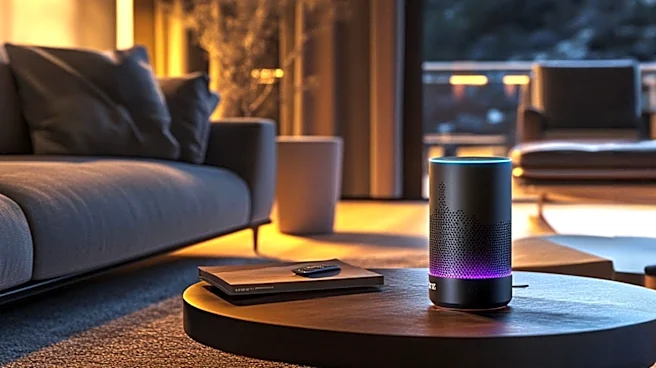
Smart home technology is increasingly being integrated into residential infrastructure, particularly within rental properties. For instance, a three-bedroom house for rent in Charlotte, NC, explicitly advertises smart home technology as a feature, alongside
luxury vinyl plank flooring, granite countertops, and stainless steel appliances. This integration is part of a broader trend where smart home features are bundled into 'Lease Easy' packages, which can include smart home devices, air filter delivery, and utilities management, at an additional monthly cost. These services are becoming a required part of the lease, indicating a shift from smart home features being a luxury to a standard offering in the rental market. The technology aims to add convenience to everyday living for tenants.
Why It's Important?
The inclusion of smart home technology as a standard feature in rental properties signifies a significant shift in the real estate and technology sectors. For property owners and management companies like Invitation Homes, this offers an opportunity to enhance property appeal, justify higher rental prices, and potentially streamline property management through connected devices. Tenants stand to gain from increased convenience, improved energy efficiency, and enhanced security, which can be attractive selling points in a competitive rental market. However, it also means tenants may incur additional mandatory costs for these bundled services. This trend suggests that the smart home market is maturing, moving beyond early adopters to become a mainstream expectation in residential living, impacting both consumer spending habits and property development strategies.
What's Next?
As smart home technology becomes more prevalent in rental agreements, it is likely that more property management companies will adopt similar bundled service models. This could lead to increased competition among technology providers to partner with large-scale rental property owners. Future developments may include more sophisticated integrations, offering personalized experiences and predictive maintenance capabilities. There could also be a push for greater standardization and interoperability among smart home devices to ensure seamless experiences for tenants and easier management for landlords. Additionally, the legal and ethical implications surrounding data privacy and security in rental smart homes will likely become a more prominent discussion point, potentially leading to new regulations or industry best practices.
Beyond the Headlines
The widespread adoption of smart home technology in rental properties raises deeper questions about the nature of home and privacy. While offering convenience, the mandatory inclusion of these technologies in lease agreements could blur the lines between personal space and managed services. Data collected from smart home devices, such as energy usage patterns or daily routines, could potentially be accessed or utilized by landlords, raising concerns about tenant privacy and data ownership. Furthermore, the reliance on technology for basic home functions could create a digital divide, where individuals without technological literacy or those uncomfortable with smart devices might find their housing options limited. This trend also highlights the increasing commodification of convenience and the potential for technology to reshape traditional landlord-tenant relationships.