

What's Happening?
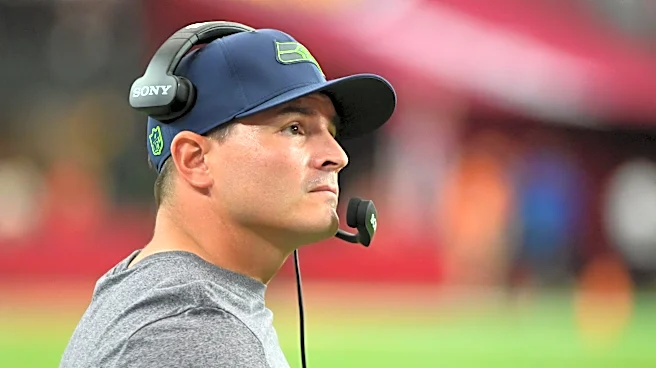
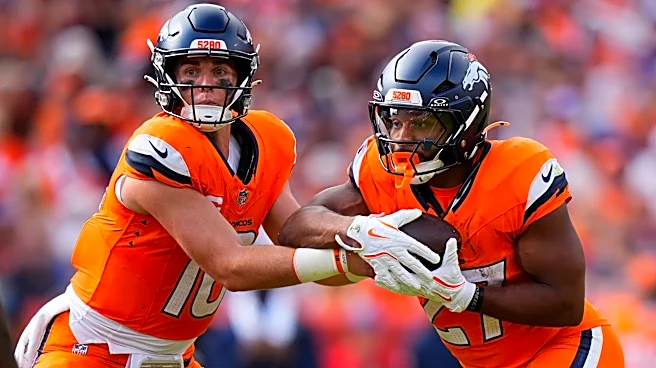
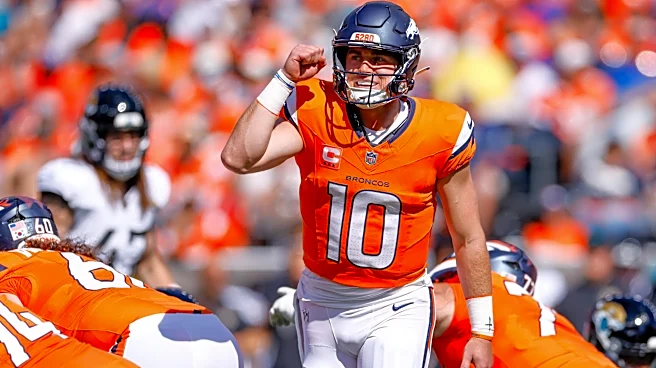
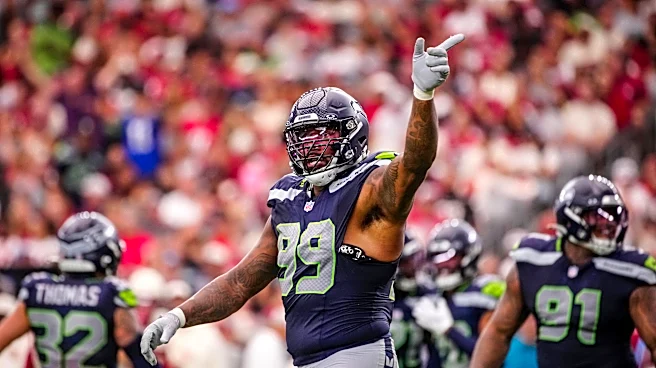
Seattle Seahawks head coach Mike Macdonald disclosed in an interview with Graham Bensinger that Denver Broncos coach Sean Payton accused the Seahawks of cheating in 2024. The accusation arose after the Seahawks utilized publicly available training camp
videos, posted by fans on social media, to scout the Broncos before their Week 1 matchup. Macdonald stated that the Seahawks gathered approximately 100 plays from these videos. Upon learning of this, Payton reportedly "lost it" and contacted Seahawks General Manager John Schneider, threatening to publicly accuse the Seahawks of a "Patriots Spygate type of thing." Payton allegedly suspected the Seahawks had planted someone within the Broncos' operations, drawing parallels to the sign-stealing scandal involving Michigan football. Macdonald, however, maintained that the Seahawks did not cheat, as the information was publicly accessible. The situation escalated into what Macdonald described as a "Cold War" between the two teams.
Why It's Important?
This incident highlights the evolving landscape of competitive intelligence in professional sports, particularly in the NFL. The use of publicly available social media content for scouting, while not explicitly prohibited, raises questions about the spirit of fair play and the boundaries of competitive advantage. For the NFL, it underscores the need to potentially clarify rules regarding the use of fan-generated content for scouting purposes, especially if such content can be perceived as giving an unfair edge. The comparison to the "Patriots Spygate" scandal, a significant event in NFL history involving illicit videotaping, indicates the seriousness with which such accusations are viewed, even if the circumstances differ. This event could prompt discussions among team owners and the league office about what constitutes acceptable scouting practices in the digital age, potentially leading to new guidelines or interpretations of existing rules to prevent similar disputes.
What's Next?
While Sean Payton reportedly backed down from his public threat after the Seahawks countered with a defamation lawsuit threat, the revelation of this "Cold War" could reignite tensions between the two teams and their coaching staffs. The NFL might choose to address the matter, either through a formal statement or by initiating internal discussions about the use of publicly posted content for scouting. It is also possible that other NFL teams will review their own scouting practices in light of this incident, potentially leading to a more widespread adoption of social media monitoring for competitive intelligence, or conversely, a more cautious approach. The incident could also influence how teams manage their public image and the content shared by fans during training camps, possibly leading to stricter policies or requests for fans to refrain from posting detailed practice footage.
Beyond the Headlines
The dispute between the Seahawks and Broncos touches upon broader ethical considerations in an increasingly digital world. The line between public information and proprietary intelligence becomes blurred when fans inadvertently share content that can be leveraged for competitive advantage. This scenario raises questions about the responsibility of individuals (fans) in sharing content and the ethical obligations of organizations (teams) in utilizing such content. It also highlights the potential for misinterpretation and escalation when information, even if publicly sourced, is perceived as being obtained through illicit means. The incident serves as a microcosm of the challenges faced by various industries in navigating the vast and often unregulated flow of information online, where what is technically permissible may not always align with traditional notions of fairness or privacy.