









What's Happening?
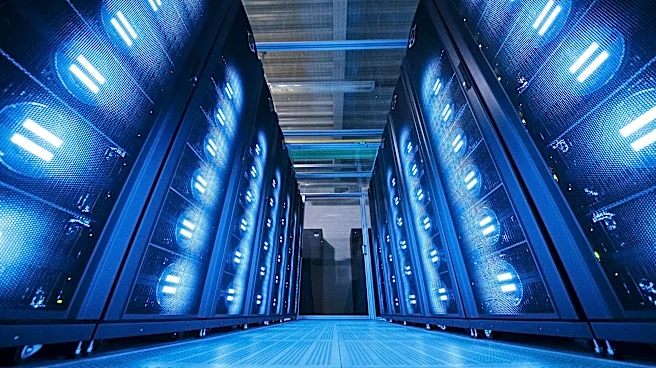
The U.S. government has invoked a wartime emergency law for the third time in six months to manage power grid stress caused by AI data centers. Energy Secretary Chris Wright issued emergency orders under Section 202(c) of the Federal Power Act, directing
data centers to switch to diesel backup generators to prevent rolling blackouts during peak demand. This action was taken as millions of Americans increased air conditioning use over the Fourth of July weekend. The orders have raised concerns about increased pollution and energy costs, as data centers contribute significantly to grid load. The situation has prompted bipartisan calls for regulatory reforms, including a proposed federal moratorium on new AI data center construction.
Why It's Important?
The repeated use of emergency powers to manage grid stress highlights the growing impact of AI data centers on U.S. infrastructure. The reliance on diesel generators raises environmental and public health concerns, particularly in communities near data centers. The situation underscores the need for sustainable energy solutions and infrastructure planning to accommodate the rapid growth of AI technology. The financial burden on consumers, with rising electricity bills linked to data center demand, adds urgency to calls for regulatory intervention. The issue also reflects broader challenges in balancing technological advancement with environmental and economic sustainability.
What's Next?
The political response includes proposed legislation to pause new data center construction until safeguards are established. Regulatory bodies are examining structural reforms to grid management, and states are considering laws to ensure data centers bear the costs of their energy demands. The ongoing debate may lead to significant policy changes affecting the tech industry and energy infrastructure. Stakeholders, including tech companies and environmental groups, are likely to engage in discussions to find balanced solutions that address both technological needs and environmental impacts.