




What's Happening?
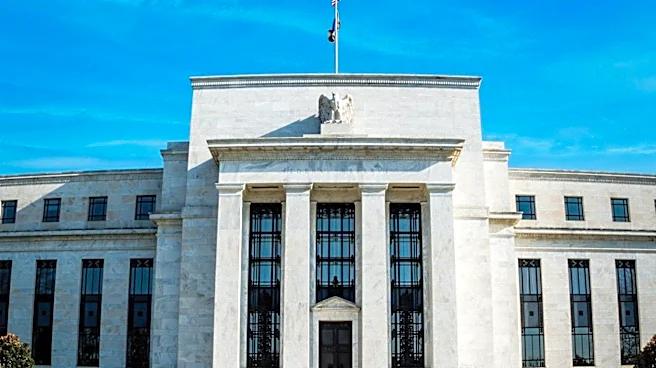
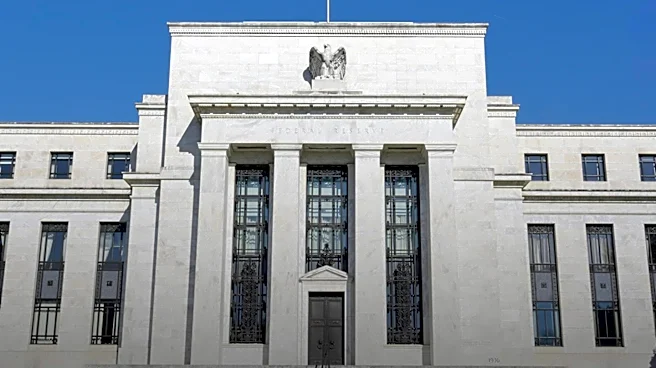
Federal Reserve Vice Chair Philip Jefferson has indicated that the trajectory of inflation is the most critical factor guiding future monetary policy decisions, rather than economic growth or employment figures. Speaking at the University of California,
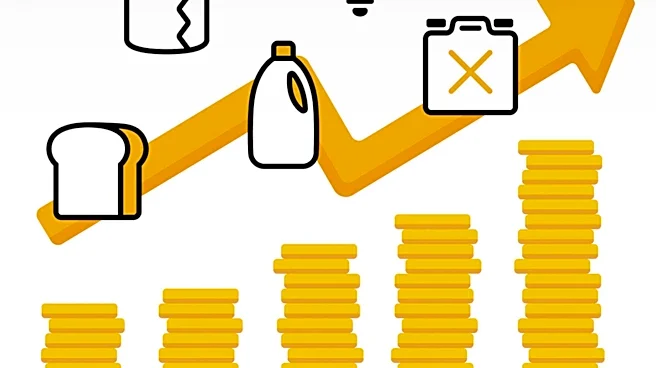
San Diego Economic Roundtable, Jefferson noted that headline Personal Consumption Expenditures (PCE) inflation stood at 3.6% in September, with core PCE, which excludes volatile food and energy prices, at 3.1%. These figures remain significantly above the Fed's 2% target. Jefferson expressed particular concern that rising energy prices could lead to a broader and more persistent increase in inflation, citing visible effects in airfares and transport costs. He also mentioned that strong demand for new technologies, such as memory chips, is contributing to price increases in certain goods. Despite these inflationary pressures, Jefferson described the real economy as stable, with October unemployment at 4.1%, consistent with maximum employment, and third-quarter GDP growing at an annualized 3.4%. He confirmed his vote with the majority to hold rates at the October Federal Open Market Committee meeting, but emphasized that persistent inflation readings suggest ongoing pressure.
Why It's Important?
Jefferson's statements underscore the Federal Reserve's hawkish stance, signaling that the central bank is prepared to prioritize inflation control even if it means further interest rate hikes. This focus on inflation, particularly energy-driven inflation, suggests that market participants should closely monitor oil prices and geopolitical events that could impact energy costs. A sustained increase in energy prices could quickly translate into expectations for more aggressive monetary tightening, affecting Treasury yields and potentially strengthening the U.S. dollar. For businesses, this implies continued pressure from higher borrowing costs and potentially reduced consumer spending as inflation erodes purchasing power. Industries reliant on energy, such as transportation and manufacturing, could face increased operational expenses, which may be passed on to consumers, perpetuating inflationary cycles. The emphasis on inflation over employment and growth also indicates a potential shift in the Fed's policy priorities, with a greater willingness to tolerate some economic slowdown to achieve price stability.
What's Next?
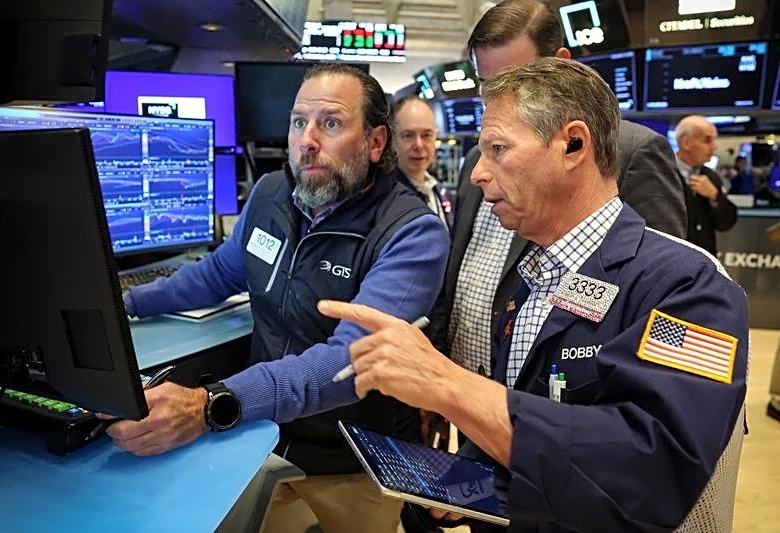
Market participants are now widely anticipating a quarter-point rate increase at the Federal Open Market Committee's December meeting, largely influenced by Jefferson's remarks. The upcoming release of core PCE data will be a crucial test for this expectation, as it will provide further insight into the persistence of price pressures. If core PCE continues to show significant increases, it could solidify the case for further rate hikes. Conversely, a moderation in inflation data might offer some relief, though the Fed's stated commitment to its 2% target suggests that any pause in rate increases would likely be temporary until clear progress is made. Businesses and consumers should prepare for a continued environment of elevated interest rates and potentially tighter credit conditions as the Fed remains vigilant in its fight against inflation. The trajectory of energy prices, particularly in light of global events, will also be a key indicator to watch, as it directly influences the Fed's assessment of broader inflationary risks.
Beyond the Headlines
The Federal Reserve's intensified focus on inflation, particularly energy-driven inflation, highlights a broader vulnerability in the U.S. economy to global supply chain disruptions and geopolitical instability. The mention of strong demand for new technologies also points to structural inflationary pressures beyond traditional factors, suggesting that the digital transformation of the economy may have unforeseen consequences on price stability. This situation could lead to a re-evaluation of economic models that previously assumed stable technological deflation. Furthermore, the Fed's willingness to prioritize inflation over employment, even with a stable labor market, could spark debates about the optimal balance between price stability and full employment. This approach might disproportionately affect lower-income households, who are more vulnerable to both inflation and potential job market contractions resulting from aggressive monetary policy. The long-term implications could include a shift in investment patterns, with greater emphasis on inflation-hedging assets and a potential re-shoring of critical supply chains to mitigate external shocks.