








What's Happening?
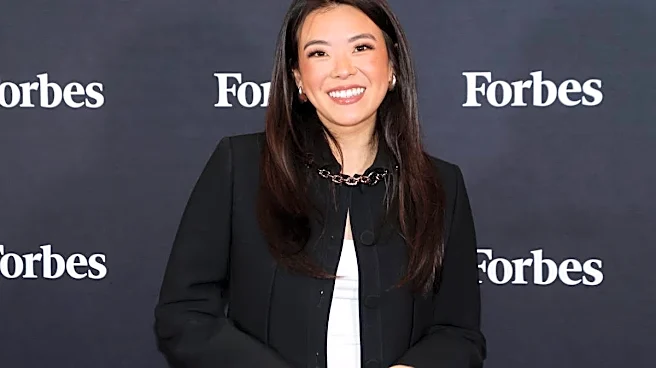
The Mel Robbins Podcast recently hosted Vivian Tu, a former JP Morgan trader known as 'your rich BFF,' to discuss strategies for escaping the paycheck-to-paycheck cycle. Tu asserts that living paycheck to paycheck is a systemic issue rather than a lack
of willpower. She introduced several practical financial methods, including a 'pay-yourself-first' savings rule, the avalanche method for debt repayment, and a formula for calculating financial independence. Tu emphasized the importance of automating financial processes over relying solely on discipline. She also highlighted the disparity between stagnant wages and the rising cost of living, acknowledging the systemic challenges individuals face while still advocating for personal agency in financial management.
Why It's Important?
This discussion is highly relevant to the U.S. economy and society, where a significant portion of the population struggles with financial insecurity and debt. Tu's approach, which reframes financial challenges as systemic rather than individual failings, can empower listeners by shifting blame from personal willpower to actionable strategies. Her practical advice, such as utilizing high-yield savings accounts and the avalanche method for debt, offers tangible steps for improving financial health. The concept of an 'FU number' for financial independence provides a clear, long-term goal that can motivate individuals to build wealth and gain leverage in their careers. This episode can contribute to greater financial literacy and stability for many Americans, potentially reducing economic stress and fostering a more financially resilient populace.
What's Next?
Listeners are likely to implement Tu's actionable advice, such as setting up automatic transfers for savings, auditing spending habits, and employing the avalanche method for debt. The podcast's influence could lead to increased adoption of these financial strategies among its audience. Tu's emphasis on negotiation tactics for raises and promotions, including maintaining a 'brag book,' could also encourage more proactive career management. Furthermore, her insights on housing, including the benefits of renting in certain situations and exploring options like VA loans, may prompt individuals to re-evaluate traditional homeownership goals. The discussion on the financial implications of choosing a spouse could also influence how individuals approach relationships, integrating financial compatibility into early conversations.
Beyond the Headlines
Beyond immediate financial improvements, Tu's insights delve into deeper societal and psychological aspects of money. Her argument that financial behavior is not primarily a discipline problem challenges conventional wisdom that often moralizes financial struggles. By advocating for automation over willpower, she taps into behavioral economics, recognizing human tendencies and designing systems to work with them. The discussion also subtly critiques consumer culture, particularly the tendency to make purchases for status rather than utility, encouraging a more mindful approach to spending. Her assertion that women often outperform men in investing, despite cultural narratives, challenges gender stereotypes in finance and could empower more women to take control of their investments. This episode contributes to a broader cultural shift towards more realistic and empowering financial education.