









What's Happening?
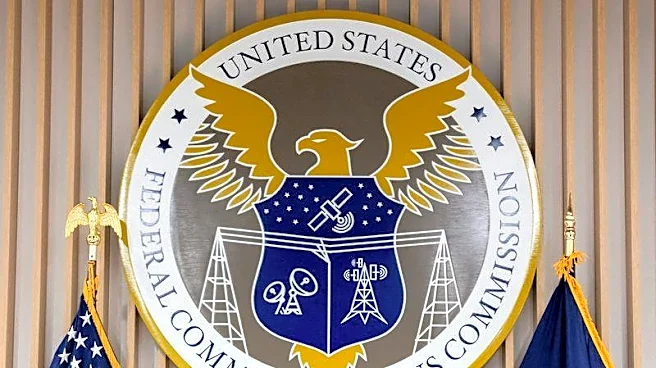
The Federal Communications Commission (FCC) is the primary federal regulator for interstate and international communications in the U.S., overseeing radio, television, wire, satellite, and cable. The U.S. telecom licensing framework is multi-layered,
involving federal, state, and local agencies. Key FCC authorization categories include domestic common-carrier service, international services, wireless and radio spectrum, satellite and earth stations, and submarine cables. New rules effective in 2026 have intensified scrutiny on foreign ownership, requiring applicants for certain licenses, such as international Section 214 and submarine cable authorizations, to disclose ownership by foreign adversaries if it reaches a 5% threshold. This regulatory environment necessitates a clear understanding of the distinctions between regulatory authorizations and private commercial contracts for telecom operations.
Why It's Important?
The complex regulatory landscape managed by the FCC is critical for the functioning and security of the U.S. telecommunications industry. The distinction between regulatory authorizations and commercial agreements is vital for businesses operating or seeking to enter the market, as it clarifies the necessary permissions and contractual obligations. The heightened scrutiny on foreign ownership, particularly with the new 2026 rules, is significant for national security. It aims to prevent potential risks posed by foreign adversaries gaining control over critical U.S. communications infrastructure. This impacts foreign investors and U.S. telecom companies with international ties, requiring meticulous compliance and disclosure. The FCC's role ensures fair competition, consumer protection, and the integrity of communication networks, directly affecting economic stakeholders and the broader public's access to reliable and secure services.
What's Next?
Businesses in the U.S. telecommunications sector must proactively adapt to the evolving regulatory environment, particularly concerning the new 2026 rules on foreign ownership. This involves conducting a thorough regulatory and commercial inventory to identify all required federal, state, and local authorizations. Companies with foreign investment will need to re-evaluate their ownership structures against the latest Team Telecom obligations and FCC disclosure rules, ensuring compliance with the 5% disclosure threshold for foreign adversaries. Ongoing due diligence, including verifying counterparty authorizations and assessing technical and financial capabilities, will be crucial. Maintaining a robust post-signature compliance process, including centralized record-keeping, renewal alerts, and performance monitoring, will be essential to navigate the complex landscape and avoid potential penalties or enforcement actions.
Beyond the Headlines
The intricate web of telecom regulations, particularly the new focus on foreign ownership, reflects a broader national security concern in an increasingly interconnected world. The FCC's efforts to scrutinize foreign involvement in U.S. telecom infrastructure highlight the strategic importance of communication networks as potential targets for espionage or disruption. This regulatory shift could lead to a re-evaluation of global investment strategies in the U.S. telecom sector, potentially favoring domestic ownership or requiring more stringent mitigation measures for foreign entities. Furthermore, the distinction between regulatory licenses and commercial contracts underscores the dual nature of operating in a regulated industry, where legal permissions and private agreements must align. This complex interplay shapes not only the business environment but also the geopolitical landscape, as nations increasingly view control over digital infrastructure as a matter of national sovereignty and security.