




What's Happening?
Hulala Home has launched a new line of 'Adaptive Home' furniture designed to meet the changing needs of modern families and living spaces. This collection emphasizes multifunctional pieces that can transform or be reconfigured to serve various purposes
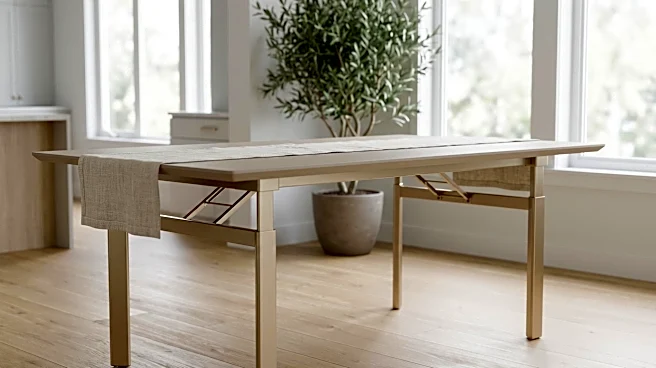
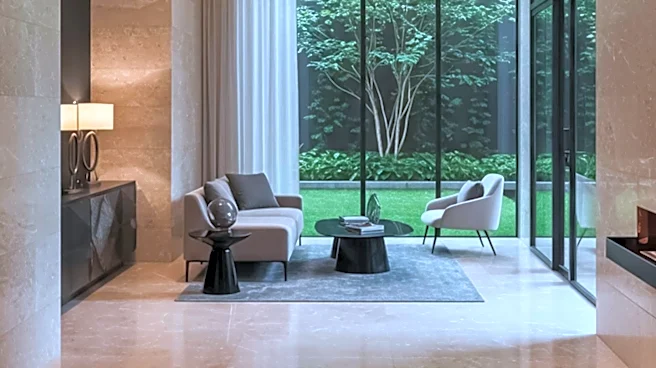
throughout the day or over time. Key innovations include the Veritas 360-Degree Rotating Electric Adjustable Standing Desk, which can be repositioned for different work activities, and the Julia 86.5-Inch Electric Height-Adjustable Dining Table, capable of transitioning from a standard dining height to a raised buffet station. The brand also offers Aeris modular sectional seating, allowing for flexible living room layouts, and Modory modular cabinet systems that can expand or reconfigure as storage needs evolve. Hulala Home's philosophy centers on furniture adapting to people's lives rather than the other way around, addressing the common challenge of spaces needing to serve multiple functions.
Why It's Important?
This shift towards adaptive furniture is significant for U.S. consumers facing increasingly dynamic living situations, such as remote work, smaller living spaces, and evolving family structures. The ability of furniture to serve multiple roles can optimize space utilization, reduce the need for multiple specialized pieces, and offer greater flexibility in home design. For the furniture industry, Hulala Home's approach highlights a growing market demand for innovative, practical solutions that go beyond traditional static designs. This trend could influence other manufacturers to invest in research and development for similar adaptive technologies, potentially leading to a broader market shift towards more versatile and sustainable home furnishings. Consumers stand to gain from more functional and adaptable homes, while businesses that embrace this design philosophy could capture a significant share of the evolving home goods market.
What's Next?
The introduction of Hulala Home's Adaptive Home line is likely to spur further innovation in the U.S. furniture market. Competitors may begin to develop their own lines of multifunctional and reconfigurable furniture to meet the growing consumer demand for flexibility and space-saving solutions. We can anticipate an increase in furniture designs that integrate technology, such as electric height adjustments and modular components, becoming more commonplace. Retailers might also adjust their showroom displays and marketing strategies to highlight the versatility and adaptability of these new furniture types. Furthermore, as more people embrace remote work and urban living, the demand for furniture that can seamlessly transition between different functions within a single room is expected to continue to rise, driving ongoing product development and market expansion in this niche.
Beyond the Headlines
Beyond the immediate practical benefits, Hulala Home's adaptive furniture line reflects a broader cultural shift towards efficiency, sustainability, and personalized living in the U.S. The emphasis on furniture that evolves with a household challenges the traditional consumer model of frequent replacement, promoting a more sustainable approach where pieces are designed for longevity and adaptability. This could lead to a re-evaluation of furniture as a long-term investment rather than a temporary purchase. Ethically, it encourages mindful consumption by offering solutions that reduce waste and maximize utility. Culturally, it supports the modern lifestyle where homes are not just residences but also workspaces, entertainment hubs, and educational environments, requiring furniture that can keep pace with these diverse demands. This trend signifies a move towards more thoughtful design that prioritizes user experience and long-term value.