






What's Happening?
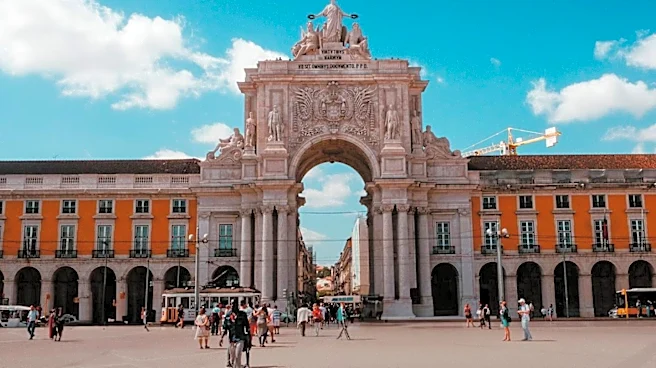
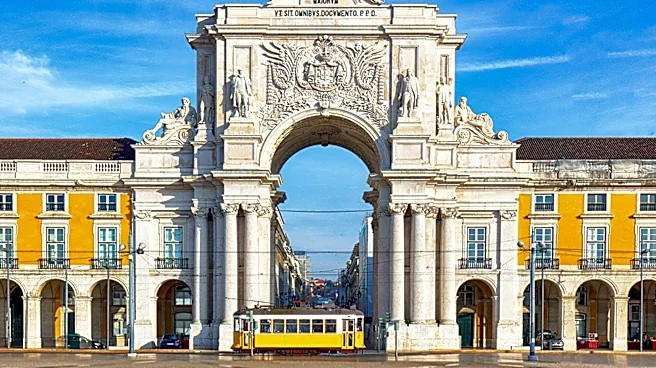
Lisbon, Portugal, has been recognized as the world's happiest travel destination in a recent global survey, the Holiday Happiness Index, conducted by BookRetreats. This ranking analyzed 47 destinations based on factors crucial for visitor happiness, including
sunlight exposure, access to nature, availability of healthy food, walkability, opportunities for physical activity, and sleep quality. Lisbon's top position is attributed to its blend of historic neighborhoods, Atlantic coastline, abundant green spaces (49 m² per resident), and a vibrant food culture. The city also boasts approximately 2,828 hours of sunshine annually, contributing significantly to its appeal. This recognition highlights a growing trend in global tourism where travelers prioritize wellbeing, relaxation, and authentic experiences over traditional sightseeing.
Why It's Important?
This shift in travel preferences, emphasizing wellbeing and lifestyle, has significant implications for the global tourism industry, including the U.S. market. Destinations that can offer a combination of cultural exploration, outdoor activities, local cuisine, and relaxation are gaining a competitive edge. For U.S. travelers, this means a potential increase in demand for destinations that align with these values, influencing travel agencies and airlines to adapt their offerings. Orlando, Florida, notably secured third place in the same index, demonstrating that U.S. cities combining entertainment with natural features and favorable weather can also cater to this happiness-focused travel trend. This indicates a broader market opportunity for U.S. destinations to promote their wellness and lifestyle aspects, potentially attracting a new segment of international and domestic tourists seeking restorative and meaningful holidays.
What's Next?
Following this recognition, Lisbon's tourism board is likely to leverage its 'happiest destination' status to further promote the city and Portugal as a whole. This could lead to increased marketing efforts highlighting other experiences beyond traditional attractions, such as food and drink tourism, and outdoor activities. For the U.S. travel market, destinations like Orlando may analyze Lisbon's success factors to enhance their own appeal, focusing on integrating wellness and lifestyle elements into their tourism strategies. This trend suggests that future tourism development will increasingly prioritize sustainable practices, access to nature, and authentic cultural experiences. Travelers can expect more diverse offerings that cater to emotional wellbeing, potentially leading to new travel packages and itineraries designed around these happiness-centric criteria.
Beyond the Headlines
The emphasis on 'happiness' and 'wellbeing' in travel reflects a deeper societal shift towards holistic health and quality of life. This trend moves beyond superficial tourism, encouraging destinations to invest in infrastructure and services that genuinely enhance visitor experience, such as green spaces, healthy food options, and walkable urban environments. It also underscores the importance of local culture and authenticity, as travelers seek to connect with destinations on a more personal level. For the U.S., this could inspire urban planning initiatives that prioritize pedestrian-friendly areas, access to nature, and local culinary experiences, not just for tourists but also for residents. The long-term implication is a potential re-evaluation of what constitutes a 'desirable' travel destination, moving away from purely commercial attractions towards environments that foster mental and physical rejuvenation.