



What's Happening?
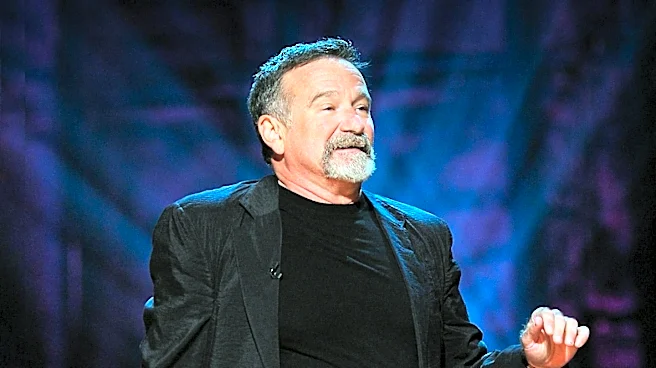
The children of the late actor Robin Williams—Zak, Zelda, and Cody Williams—have revived their father's official Instagram account. Their primary motivation is to create a trusted space for authentic content and to combat the "rampant AI abuse" of his
voice and likeness. The account, which had been dormant since Williams' death in 2014, will now serve as a hub for sharing genuine stories, photos, videos, and memories that accurately reflect his legacy. Zelda Williams, in particular, has been vocal about her distress over unauthorized AI-generated deepfakes of her father, calling them "personally disturbing" and "horrendous Frankensteinian monster[s]." The family aims to ensure that new generations discovering his work, as well as long-time fans, can access verified content that honors his unique talent and humor.
Why It's Important?
This initiative by Robin Williams' children highlights a growing and critical issue in the digital age: the unauthorized use of celebrity likenesses through artificial intelligence. As AI technology advances, the ability to generate deepfakes and mimic voices poses significant challenges to intellectual property rights, personal legacies, and the emotional well-being of families. This move sets a precedent for how estates of deceased public figures can actively protect their loved ones' images and voices from misuse. It underscores the need for robust ethical guidelines and potentially legal frameworks to address AI-generated content, especially when it involves individuals who cannot consent. The family's action brings attention to the broader implications of AI on authenticity, memory, and the preservation of artistic integrity in the entertainment industry.
What's Next?
The revived Instagram account will likely become a curated archive of Robin Williams' life and work, offering fans an official and authentic source of content. This proactive step by his children could inspire other celebrity estates to take similar measures to protect legacies from AI manipulation. Discussions within the entertainment industry and legal circles are expected to intensify regarding the regulation of AI-generated content and the establishment of clear boundaries for its use. This situation may also prompt technology companies to develop better tools for identifying and flagging unauthorized AI content, or to implement stricter policies regarding the use of their platforms for such purposes. The family's efforts will contribute to an ongoing dialogue about the future of digital identity and the ethical responsibilities associated with AI development.
Beyond the Headlines
The Williams family's decision to reclaim their father's digital narrative delves into deeper ethical and philosophical questions about legacy, memory, and the nature of identity in a technologically advanced world. The concept of "AI slop"—as Zelda Williams describes it—challenges our understanding of what constitutes genuine artistic expression and personal representation. It forces a confrontation with the idea of a person's essence being reduced to algorithms and data, potentially distorting their public image and personal history. This situation also highlights the emotional burden placed on families when their loved ones' images are manipulated without consent, raising questions about digital grief and the right to protect the memory of the deceased. The family's stand is not just about copyright; it's about preserving the human element of a beloved figure against the dehumanizing potential of unchecked AI.