







What's Happening?
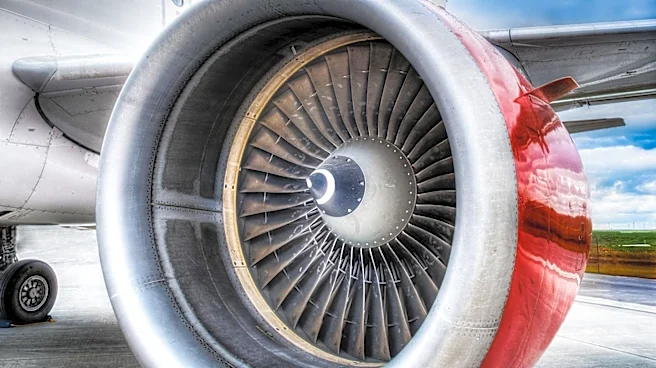
Collins Aerospace has completed initial integration testing of electrical subsystems required to hybridize Pratt & Whitney’s Geared Turbofan (GTF) in the U.S. These subsystems have been shipped to Airbus in Germany for further aircraft-level integration testing.
The hybrid-electric GTF is part of the Switch project under Europe’s Clean Aviation program, aiming to demonstrate the integration of electric machines into turbine engines to improve efficiency. The technology, known as microhybridization, involves using electric power to assist turbine engines, potentially leading to more fuel-efficient engines.
Why It's Important?
The development of hybrid-electric propulsion systems represents a significant step towards more sustainable aviation technologies. By improving energy efficiency and reducing fuel consumption, this innovation could lead to lower operational costs and reduced environmental impact for the aviation industry. The successful integration of these systems could set a precedent for future aircraft designs, influencing the direction of aerospace engineering and manufacturing. The collaboration between major aerospace companies and research institutions highlights the importance of international cooperation in advancing clean aviation technologies.
What's Next?
Following the completion of subsystem testing, the next phase involves integrating these systems into a GTF Advantage engine for ground testing, aiming for technology readiness by 2029. A subsequent project will focus on flight testing the hybridized GTF on a modified Airbus A380. These developments are part of a broader effort to achieve significant technological advancements in hybrid-electric aircraft by the end of the decade. The ongoing research and testing will likely influence future regulatory standards and industry practices in aviation.
Beyond the Headlines
The shift towards hybrid-electric propulsion systems raises questions about the future of aviation infrastructure and the need for new regulatory frameworks to accommodate these technologies. The long-term implications for pilot training, maintenance practices, and airport operations will require careful planning and adaptation. Additionally, the environmental benefits of reduced emissions and fuel consumption align with global efforts to combat climate change, positioning the aviation industry as a key player in sustainability initiatives.