




What's Happening?
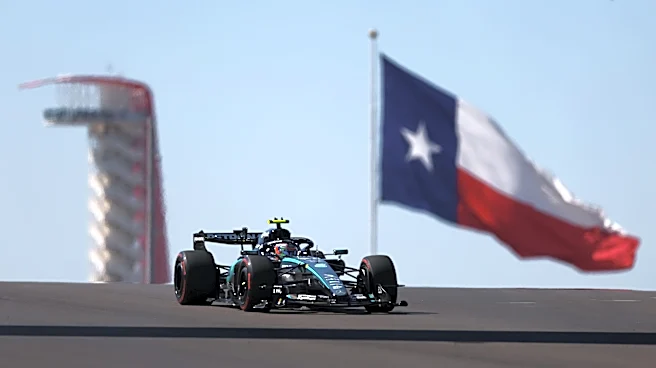
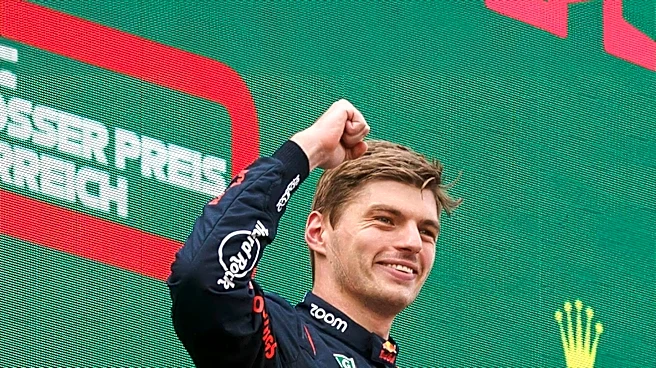
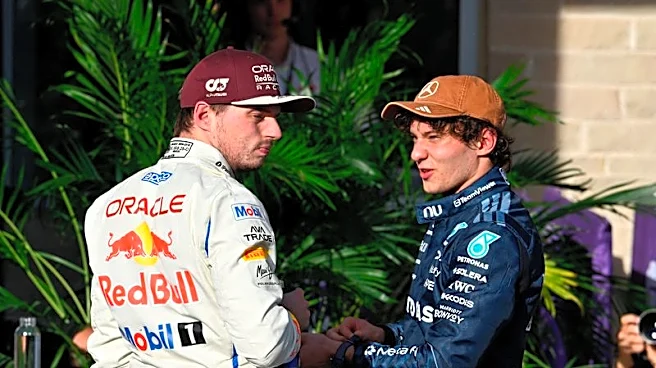
Red Bull Racing introduced a discreet upgrade to Max Verstappen's car at the Circuit of the Americas for the United States Grand Prix. Mechanics were observed installing new Brembo brake discs on the front of the car, with efforts made to shield the process
from photographers. Further inspection revealed that these new discs feature a modified, non-uniformly solid surface pattern. This alteration is designed to enhance consistency throughout the braking phase and over race distances, specifically tailored to Verstappen's aggressive braking style. The initial braking bite is expected to remain similar, but the new pattern aims to provide a wider operating window for maximum performance. This development suggests a deeper collaboration between Red Bull and Brembo, potentially trialing solutions with an eye on future regulations.
Why It's Important?
This targeted brake upgrade for Max Verstappen underscores Red Bull's commitment to fine-tuning their car to the specific preferences of their star driver, aiming to extract every possible performance advantage. In the highly competitive world of Formula 1, even marginal gains can be decisive. By optimizing braking characteristics for Verstappen's unique style, Red Bull seeks to improve consistency and overall race pace, which can be crucial for securing wins and championships. This level of bespoke engineering highlights the intricate relationship between driver feedback and car development. It also signals Red Bull's forward-thinking approach, potentially using current race weekends to test components that could influence their car design for future seasons, maintaining their competitive edge.
What's Next?
The performance of Max Verstappen's car with the new brake discs will be closely monitored during the United States Grand Prix weekend and subsequent races. If the upgrade proves effective in providing greater consistency and performance, it could be rolled out to the other Red Bull car or become a standard component. This development might also prompt rival teams to investigate similar bespoke solutions for their drivers, intensifying the technical arms race in Formula 1. Furthermore, the success of this tailored approach could influence Red Bull's development strategy for the 2027 regulations, as they continue to refine their partnership with Brembo and integrate driver-specific requirements into their car design process.
Beyond the Headlines
This seemingly minor technical detail reflects the extreme lengths Formula 1 teams go to in pursuit of performance, often involving highly specialized engineering tailored to individual athletes. It highlights the symbiotic relationship between driver and machine, where the car is not just a generic racing tool but an extension of the driver's unique style and preferences. Ethically, such bespoke developments raise questions about fairness and the spirit of competition, though they are within current regulations. From a technological standpoint, it showcases advanced material science and aerodynamic principles applied to critical components like brakes. This continuous innovation pushes the boundaries of automotive engineering, with potential trickle-down effects on road car technology in the long term, particularly in areas of braking efficiency and durability.