

What's Happening?
Luxury residential architecture is undergoing a significant transformation, with interior designers shifting focus from purely aesthetic trends to functional luxury and wellness. Claire Ownby, principal designer at Ownby Design, highlights that homeowners
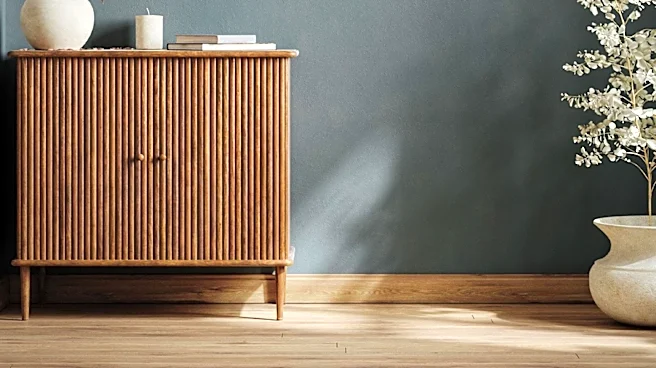
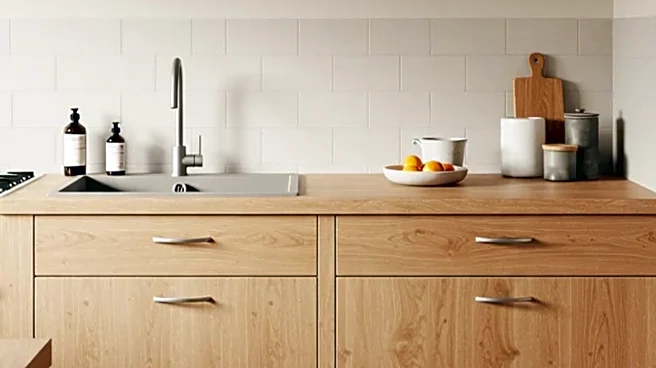
are increasingly prioritizing liveability, practical comfort, and personal meaning in their spaces. This involves a deep dive into clients' daily habits to create highly functional environments, rather than just selecting color palettes. Designers are now concentrating on the most utilized areas of a home, such as bedroom suites and kitchens, to ensure they are chic, warm, and truly lived-in. For instance, customized kitchen storage with hidden morning bars that conceal appliances and clutter exemplifies this trend, meticulously engineered for convenience and speed using natural materials like wood and glass.
Why It's Important?
This shift in interior design trends is important for the U.S. housing market as it reflects a broader consumer demand for homes that actively support well-being and streamline daily routines. For homeowners, investing in habit-driven design can significantly enhance their quality of life and potentially increase resale value, as these functional improvements appeal to a wider range of future buyers. For the design and construction industries, this trend necessitates a more client-centric approach, requiring designers to understand intimate details of daily life rather than just aesthetic preferences. It also encourages the use of durable, natural materials and innovative storage solutions, driving product development and market demand in these areas. This movement away from fleeting social media trends towards lasting, functional solutions suggests a more sustainable and thoughtful approach to home design.
What's Next?
The emphasis on functional luxury and wellness is expected to continue shaping home design in the coming years. Designers will likely further refine their methods for understanding client lifestyles, potentially incorporating more advanced data collection or immersive consultation techniques. Homeowners preparing for renovations or new builds will be encouraged to track their daily rhythms to better inform their designers. This trend could also lead to an increase in demand for smart home technologies that support wellness and efficiency, such as integrated lighting systems and climate control. Furthermore, the industry may see a rise in specialized design services focusing on specific daily routines or wellness aspects, ensuring that homes are not only beautiful but also highly optimized for modern living.
Beyond the Headlines
This design evolution has deeper implications beyond aesthetics and functionality, touching upon psychological and societal aspects of home life. By prioritizing spaces that reduce stress and streamline routines, designers are implicitly addressing the mental and emotional well-being of occupants. The move away from 'status-driven' formal spaces towards 'lived-in' areas reflects a cultural shift towards authenticity and practicality over ostentation. Ethically, it promotes a more responsible use of resources by focusing on enduring, problem-solving designs rather than short-lived trends. This approach also highlights the potential pitfalls of AI-produced design trends, cautioning against unbuildable or impractical concepts. Ultimately, this trend suggests a redefinition of 'luxury' in the U.S., where true value lies in how a home enhances daily life and supports overall health, rather than just its visual appeal.