




What's Happening?
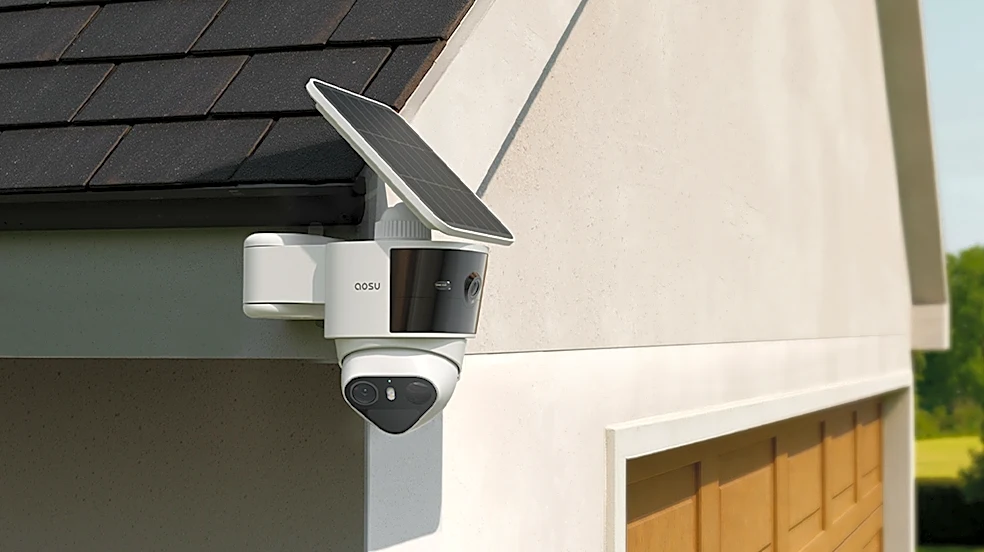
Several new 4K wireless solar security camera systems are entering the market, providing advanced features for home safety. The aosu D1 Max 4K Wireless Solar Security Camera System offers 4K Ultra HD video, full-color night vision, smart AI detection,
and 360-degree coverage with pan, tilt, and automatic object tracking. Similarly, the 4MP Solar Powered Wireless Outdoor Security Camera System 4Cam-Kit provides clear, all-day surveillance with 4MP resolution, high-resolution color night vision, and a solar-powered battery. These systems are designed for seamless outdoor use, ensuring continuous monitoring without frequent recharging. Many models emphasize local storage options, such as 128GB secure local storage hubs, to eliminate monthly fees and address privacy concerns. The integration of AI detection helps reduce false alerts by distinguishing between people, vehicles, and other movements. These systems aim to offer reliable, high-quality home security without ongoing costs, combining advanced technology with user-friendly designs for easy installation and remote monitoring.
Why It's Important?
The emergence of these advanced 4K wireless solar security camera systems is significant for U.S. homeowners and small businesses, offering enhanced security solutions with reduced operational costs. By leveraging solar power, these systems minimize reliance on traditional power sources and frequent battery changes, leading to greater convenience and environmental benefits. The emphasis on 4K Ultra HD video and full-color night vision significantly improves the clarity and detail of surveillance footage, which is crucial for identification purposes in case of incidents. The inclusion of AI detection and 360-degree coverage reduces false alarms and ensures comprehensive monitoring, providing greater peace of mind. Furthermore, the trend towards local storage options without subscription fees makes high-quality security more accessible and affordable in the long run, benefiting consumers by lowering the total cost of ownership and enhancing data privacy. This shift could lead to wider adoption of sophisticated security technologies across residential and small commercial properties.
What's Next?
The market for home security systems is likely to see continued innovation in solar-powered and AI-driven technologies. Future developments may focus on even more efficient solar panels, longer battery life, and enhanced AI capabilities for more precise threat detection and fewer false positives. Integration with smart home ecosystems is expected to become more seamless, allowing users to control their security systems through voice commands and unified platforms. We may also see an increase in modular systems that allow for easy expansion and customization to fit diverse property layouts and security needs. As these technologies become more refined and cost-effective, they are expected to become standard features in home security, potentially influencing insurance rates and community safety initiatives. Consumers can anticipate a broader range of choices offering advanced features at competitive prices, further democratizing access to high-end surveillance capabilities.
Beyond the Headlines
These advancements in home security cameras reflect broader societal trends towards self-sufficiency, environmental consciousness, and data privacy. The move to solar power aligns with a growing demand for sustainable and off-grid solutions, reducing the carbon footprint associated with continuous surveillance. The emphasis on local storage addresses increasing concerns about cloud data breaches and the privacy implications of third-party data handling, giving users more control over their personal footage. Ethically, the enhanced clarity and AI capabilities raise questions about surveillance creep and the potential for misuse, necessitating clear guidelines and responsible deployment. Culturally, the widespread adoption of such sophisticated systems could alter perceptions of neighborhood safety and personal responsibility for security. The long-term impact may include a shift in how communities approach crime prevention, with a greater reliance on individual technological solutions complementing traditional law enforcement efforts.