





What's Happening?
Home fragrance rituals are becoming increasingly popular as a method for creating emotional and sensory experiences within personal spaces. Companies like Diptyque are offering 'Les Rituels de Soin Collection,' which draws inspiration from ancient bathing
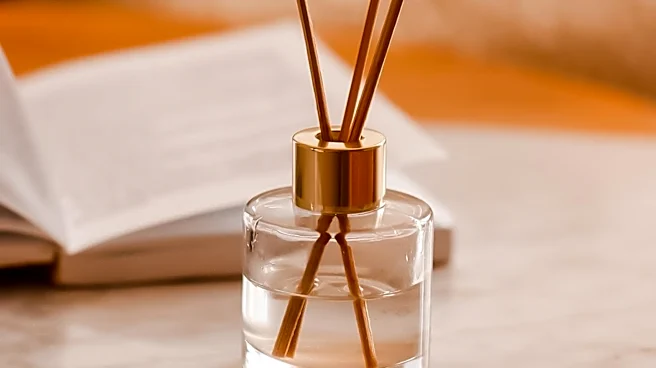
practices and combines body care products with natural ingredients to enhance emotional well-being. The role of scent in influencing emotions is significant, providing comfort, calm, and relaxation. Products such as Osmology's 'Duvet Days' fragrance ritual are specifically designed to help individuals unwind and cultivate a restful atmosphere. Essential oils, including peppermint, are also being incorporated to contribute to a calming environment. Additionally, Dhoopxwera offers incense sticks with various fragrances suitable for daily rituals and meditation. Shivora Candles emphasizes that both scented candles and essential oils can be integrated into different aspects of home fragrance rituals, each offering distinct benefits for achieving a desired ambiance.
Why It's Important?
The growing trend of home fragrance rituals highlights a broader societal shift towards prioritizing personal well-being and creating intentional living spaces. This movement impacts the U.S. lifestyle and retail sectors by driving demand for a diverse range of fragrance products, from luxury brands like Diptyque to specialized offerings like Osmology and Dhoopxwera. The emphasis on emotional benefits, such as comfort, calm, and relaxation, resonates with consumers seeking ways to manage stress and enhance their daily lives. This trend also encourages innovation in product development, with companies exploring natural ingredients and ancient practices to meet consumer preferences. Businesses that can effectively market the emotional and sensory advantages of their fragrance products stand to gain, while those that fail to adapt to this focus on holistic well-being may see reduced engagement from a growing segment of the market. The increasing adoption of these rituals also underscores a cultural appreciation for sensory experiences as integral to personal care and home environment.
What's Next?
The home fragrance market is likely to see continued expansion and diversification as more consumers adopt these rituals. Expect to see further innovation in product lines, including more sophisticated blends of essential oils, sustainable sourcing of natural ingredients, and technologically advanced diffusers. There may also be an increase in workshops and educational content focused on the art of home fragrancing and aromatherapy, catering to consumers who wish to deepen their understanding and practice. Retailers will likely expand their offerings to include curated collections that support specific emotional states or daily routines, such as morning energizing rituals or evening relaxation routines. Furthermore, collaborations between fragrance brands and wellness experts or interior designers could become more common, offering integrated solutions for creating harmonious living spaces. The emphasis on personalized experiences suggests a future where consumers can more easily customize their home fragrance rituals to suit individual preferences and needs.
Beyond the Headlines
Beyond the immediate commercial implications, the rise of home fragrance rituals reflects a deeper cultural yearning for mindfulness and intentional living in an increasingly fast-paced world. The act of consciously selecting and using scents to shape one's environment can be seen as a form of self-care, providing a tangible way to exert control over personal space and emotional state. This trend also touches upon the psychological power of olfaction, demonstrating how scent can evoke memories, influence mood, and even impact cognitive function. Ethically, the industry faces the challenge of ensuring transparency in ingredient sourcing and product claims, particularly regarding the 'natural' or 'wellness' benefits. As consumers become more discerning, brands will need to provide clear information about the composition and potential effects of their products. This movement could also foster a renewed appreciation for traditional aromatic practices from various cultures, encouraging a more global and inclusive approach to home fragrancing.