








What's Happening?
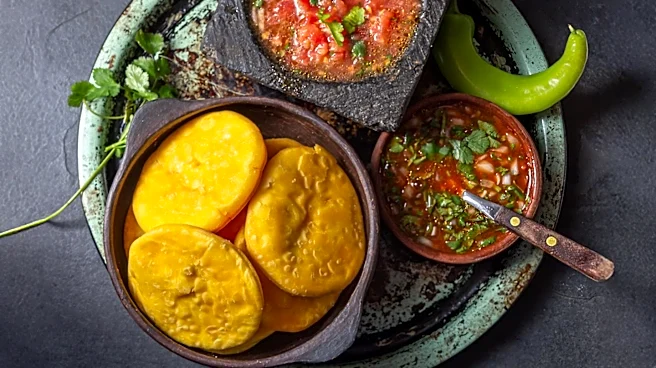
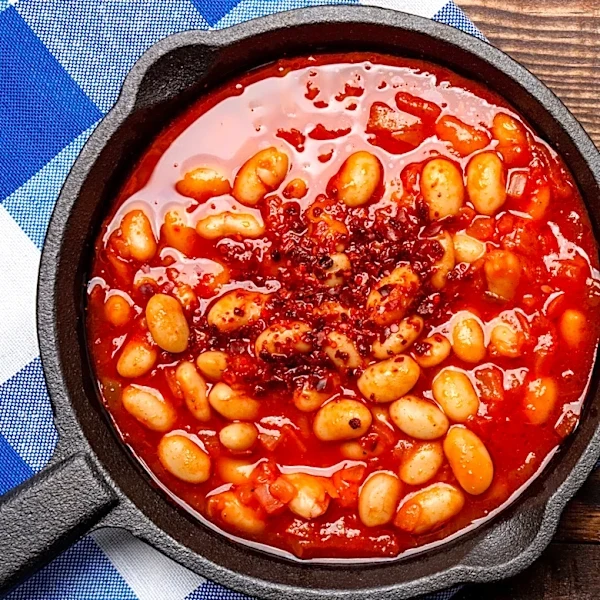
Latin American cuisine is increasingly becoming a cultural bridge in the United States, bringing together diverse communities through shared culinary experiences. Restaurants across the country, from Miami to Chicago and Dallas, are embracing Latin flavors
and storytelling as a means to foster community and cultural exchange. Chefs like Chris Valdes and Adrianne Calvo in Miami, Miguel Tenesaca in Chicago, and Christian Bustamante in Dallas are at the forefront of this movement. They are incorporating a wide array of Latin American influences into their menus, offering dishes that reflect the rich tapestry of Latin culture. These culinary experiences are not just about food but also about sharing stories and traditions, encouraging people to explore and appreciate different cultures.
Why It's Important?
The growing popularity of Latin cuisine in the U.S. highlights the country's multicultural fabric and the role of food in cultural integration. As Latin American dishes become more mainstream, they offer a platform for cultural storytelling and community building. This trend is significant for the restaurant industry, as it taps into the increasing demand for diverse and authentic culinary experiences. It also reflects broader societal shifts towards inclusivity and appreciation of cultural diversity. For the Latin American community, this culinary recognition can lead to greater cultural visibility and economic opportunities within the food and beverage sector.
What's Next?
As Latin cuisine continues to gain popularity, it is likely that more restaurants will incorporate these flavors into their offerings, further diversifying the American culinary landscape. This could lead to increased collaboration between chefs from different cultural backgrounds, fostering innovation and new culinary trends. Additionally, the emphasis on storytelling and cultural exchange through food may inspire other industries to explore similar approaches to inclusivity and diversity.
Beyond the Headlines
The rise of Latin cuisine in the U.S. also raises questions about cultural appropriation and authenticity. As more non-Latin chefs and restaurants adopt these flavors, there is a need for sensitivity and respect towards the origins and traditions of these dishes. Ensuring that Latin American communities benefit from this culinary trend is crucial, as is maintaining the authenticity and integrity of the cuisine. This development also highlights the potential for food to serve as a medium for cultural diplomacy and understanding in an increasingly globalized world.