







What's Happening?
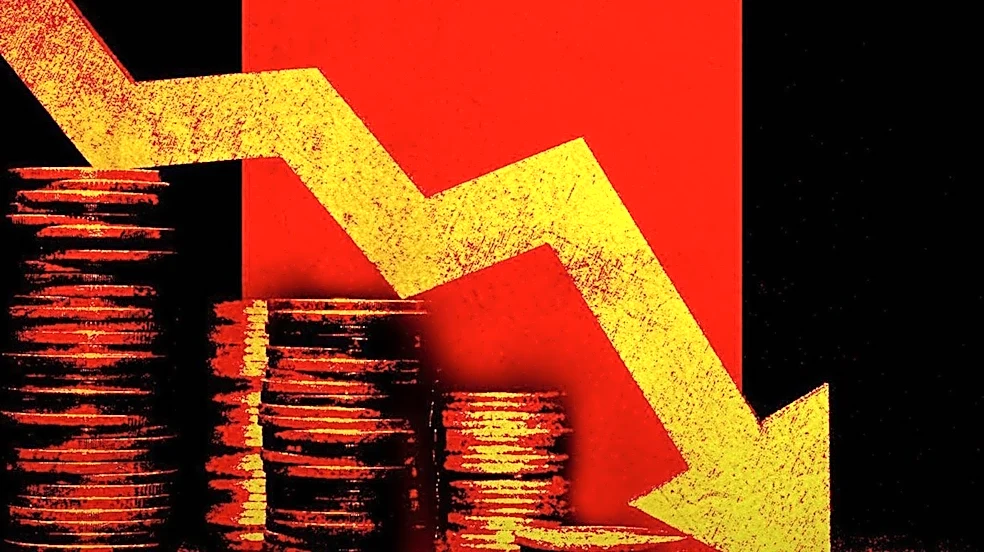
Bangladesh's ready-made garment (RMG) sales in the European Union (EU) market have experienced a significant decline, with exports falling by approximately 12% from January to August this year. During the same period, China's garment exports to the EU increased
by 2.38%, and Vietnam's by 4.46%, allowing these two countries to gain market share at Bangladesh's expense. Eurostat data indicates that the EU imported a total of 6.29 billion euros worth of clothing in the first eight months of this year, a 3.83% decrease from the previous year. Bangladesh's share of the total EU apparel imports dropped from about 21.5% last year to 19.8% this year, while China's share increased from 30.72% to 32.7%. The total value of Bangladesh's garment exports decreased due to both reduced export volume (4.5%) and a lower average price per kilogram, which fell by about 7.5%.
Why It's Important?
This decline in garment exports to the EU is a critical concern for Bangladesh, as the RMG sector is the country's largest export earner and a major source of employment. The loss of market share to competitors like China and Vietnam indicates a weakening of Bangladesh's competitive edge, which could have significant economic repercussions. The decrease in both export volume and average prices suggests a dual challenge: reduced demand for Bangladeshi products and increased price pressure from competitors. This situation is partly attributed to Chinese companies marketing more aggressively in the EU market with lower prices after the US imposed counter-tariffs on Chinese garments. The slowdown in the EU economy also contributed to a general decrease in apparel exports from many countries. For Bangladesh, this trend highlights the urgent need to diversify its exports and enhance its competitiveness to maintain its position in the global apparel market.
What's Next?
Mohiuddin Rubel, former director of the Bangladesh Garment Manufacturers Association (BGMEA), noted that EU buyers increased garment imports in June, July, and August, leading to some positive changes in Bangladesh's exports. He anticipates a potential rebound in the EU market in the coming months, provided the global geopolitical situation does not significantly deteriorate. However, he also emphasized that substantial progress will be difficult without diversifying exports and increasing overall competitiveness. This suggests that Bangladesh needs to implement strategic measures to improve its product offerings, enhance efficiency, and potentially explore new markets or higher-value segments within the existing markets. The industry will likely focus on strategies to counter the aggressive pricing of competitors and adapt to evolving buyer demands to regain lost ground and secure future growth.
Beyond the Headlines
The challenges faced by Bangladesh's garment industry in the EU market underscore broader shifts in global trade dynamics and consumer behavior. The increased competition from China and Vietnam, coupled with a slowdown in the EU economy, points to a more complex and demanding international trade environment. This situation also highlights the vulnerability of economies heavily reliant on a single export sector and emphasizes the need for economic diversification. Beyond immediate market share, the long-term implications include the potential for job losses, reduced foreign exchange earnings, and a slowdown in industrial development if the trend continues. To mitigate these risks, Bangladesh must not only focus on short-term market adjustments but also invest in long-term strategies such as technological upgrades, skill development, and sustainable production practices to build a more resilient and competitive garment industry.