






What's Happening?
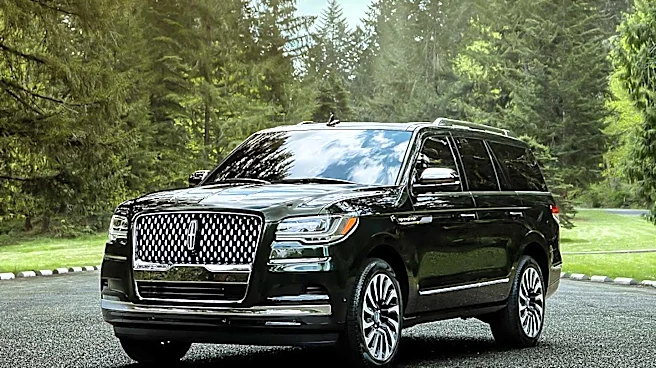
Lincoln has integrated a 'Rejuvenate' experience into its 2026 Navigator and Nautilus luxury SUVs, offering a 10-minute multi-sensory mini-spa designed to reduce stress. This feature, available in models starting at nearly $100,000, includes six customizable
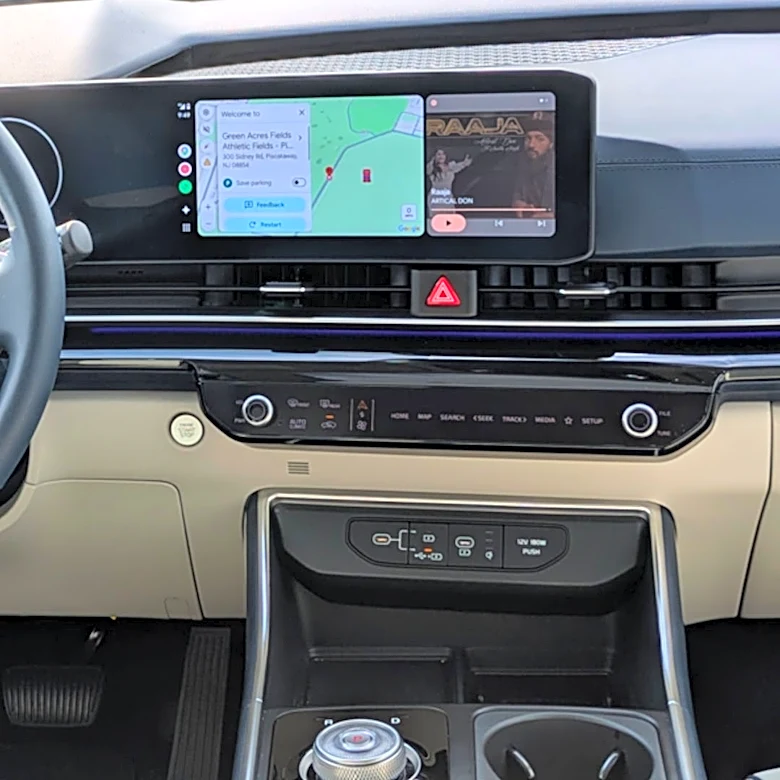
experiences such as 'Aurora Borealis' and 'Tropical Paradise.' Each session combines video displays on the panoramic dashboard, relaxing soundscapes or guided meditations (in partnership with the Calm app), and subtle scents diffused into the cabin. For the driver, the seat automatically reclines and a chair massage begins. A Purdue University study cited by Lincoln found that users experienced reduced stress, measured by heart rate variability and EEG metrics, and 98% preferred using it after a stressful activity. However, the Rejuvenate feature only operates when the vehicle is in park and all doors are closed, limiting its use to pre- or post-drive relaxation.
Why It's Important?
The introduction of Lincoln's 'Rejuvenate' feature signifies a growing trend in the automotive industry to integrate wellness and mental health solutions into vehicle design. This move reflects a broader societal recognition of chronic stress and the demand for accessible relaxation methods. For the luxury automotive market, it represents a new frontier in competitive differentiation, moving beyond traditional performance and comfort to offer emotional and psychological benefits. This could influence other manufacturers to explore similar in-car wellness technologies, potentially expanding the market for automotive-integrated health features. While currently limited to luxury segments, the concept could eventually trickle down to more mainstream vehicles, making stress-reduction tools more widely available. It also highlights the increasing convergence of technology, health, and consumer products, where everyday items are expected to contribute to overall well-being.
What's Next?
Lincoln plans to expand the guided meditation options within the Rejuvenate system, indicating a continuous development of its in-car wellness offerings. This suggests a future where automotive manufacturers might regularly update and personalize such features, potentially through subscription models or over-the-air updates. The success of this feature could also prompt further research into the efficacy of in-car wellness technologies and their impact on driver and passenger well-being. Other luxury brands are likely to observe Lincoln's initiative closely, potentially leading to a new wave of innovation in automotive interiors focused on holistic passenger experience. The integration of AI and biometric sensors could further personalize these experiences, adapting to individual stress levels or preferences in real-time.
Beyond the Headlines
This development raises deeper questions about the role of technology in managing modern stress and the potential for 'wellness washing' in consumer products. While the Rejuvenate feature offers a tangible benefit, its limitation to parked vehicles highlights a tension between the desire for constant well-being and the practical realities of vehicle operation. It also touches on the ethical implications of relying on technology for emotional regulation, and whether such features genuinely address underlying stress factors or merely provide temporary relief. The high cost of these luxury vehicles means that advanced wellness features remain exclusive, potentially exacerbating disparities in access to stress-management tools. Furthermore, the reliance on abstract visuals and soundscapes, rather than direct engagement with nature, reflects a broader societal trend of simulating natural experiences within controlled, artificial environments.