




What's Happening?
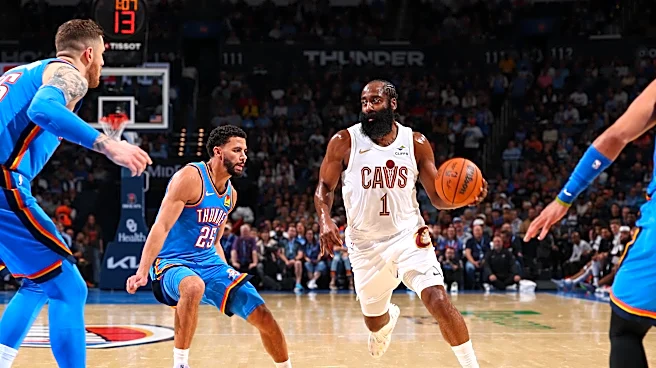
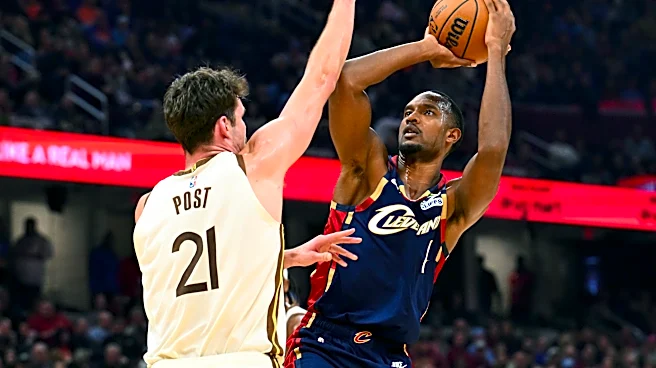
The Cleveland Cavaliers have made a roster move by signing Norchad Omier to a two-way deal and waiving Riley Minix, ahead of their NBA Cup game against the Philadelphia 76ers on Friday, November 6. This adjustment comes as the Cavaliers prepare to host
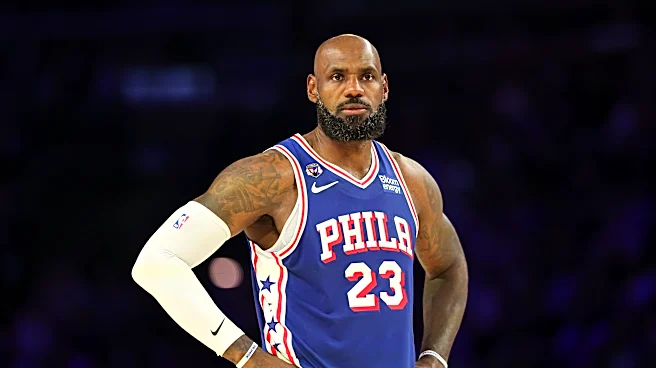
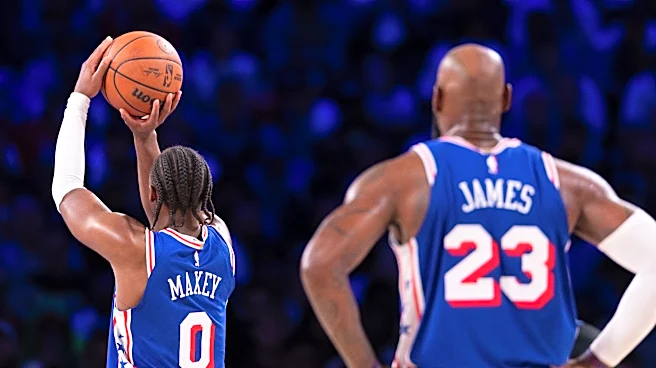
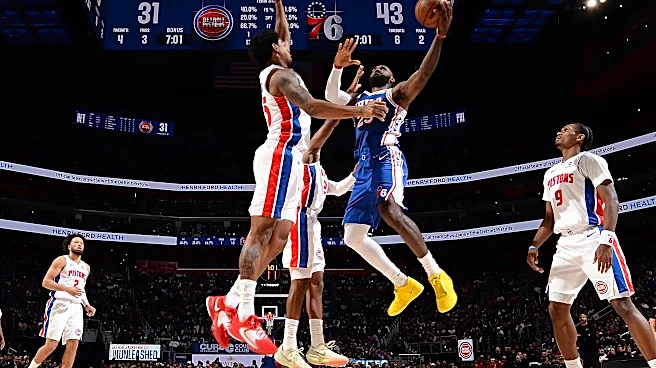
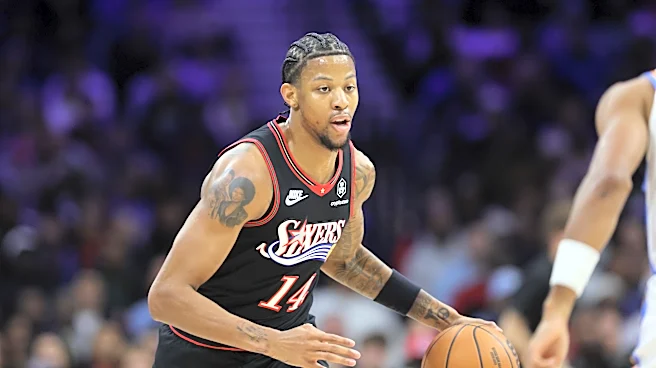
the 76ers for their second matchup of the season. The first encounter on October 22 saw the 76ers overcome a 29-point deficit to defeat the Cavaliers 114-106. The Cavaliers currently hold a 4-4 record, including a 3-1 home record, while the 76ers are 8-1 and remain undefeated on the road. The upcoming game marks the Cavaliers' first action in the NBA Cup, while the 76ers enter with a 1-0 record in the tournament.
Why It's Important?
This roster move by the Cleveland Cavaliers is important as it reflects their ongoing efforts to optimize their team composition and performance, particularly in response to early-season challenges and upcoming tournament play. Integrating a new player like Norchad Omier, who reportedly flipped his commitment from the Minnesota Timberwolves to Cleveland, suggests the Cavaliers are actively seeking to strengthen specific areas of their roster. The decision to waive Riley Minix, despite his G League performance, indicates a strategic shift in player development or immediate team needs. Such adjustments can impact team chemistry, rotation, and overall strategy, especially when facing a high-performing team like the Philadelphia 76ers. The outcome of this NBA Cup game could also influence the Cavaliers' standing in the tournament and provide an early test of their updated roster's effectiveness.
What's Next?
The Cleveland Cavaliers will host the Philadelphia 76ers on Friday, November 6, for their first NBA Cup game. This matchup will be a crucial test for the Cavaliers' adjusted roster and their ability to compete against a top-ranked Eastern Conference team. Following this game, the Cavaliers will continue their regular season schedule, with their performance in the NBA Cup potentially influencing team morale and strategic decisions moving forward. The integration of Norchad Omier into the team will be closely watched to see how he contributes to the Cavaliers' overall performance and addresses any identified weaknesses. The team's coaching staff will need to quickly assimilate Omier and ensure that the roster changes contribute positively to their competitive goals for the season.
Beyond the Headlines
The strategic decision to make a roster change, particularly involving a two-way player, highlights the intricate balance NBA teams must strike between immediate competitive needs and long-term player development. Two-way contracts allow teams flexibility to move players between their NBA roster and G League affiliate, serving as a pipeline for talent. The Cavaliers' ability to attract Omier, even after he initially committed to another team, underscores the competitive nature of player acquisition and the perceived opportunities within the Cleveland organization. This move also reflects the continuous evaluation process in professional sports, where teams constantly assess player fit, potential, and contribution to overall team success. The impact of such seemingly minor roster adjustments can ripple through a team's season, affecting depth, tactical options, and the development of its core players.