





What's Happening?
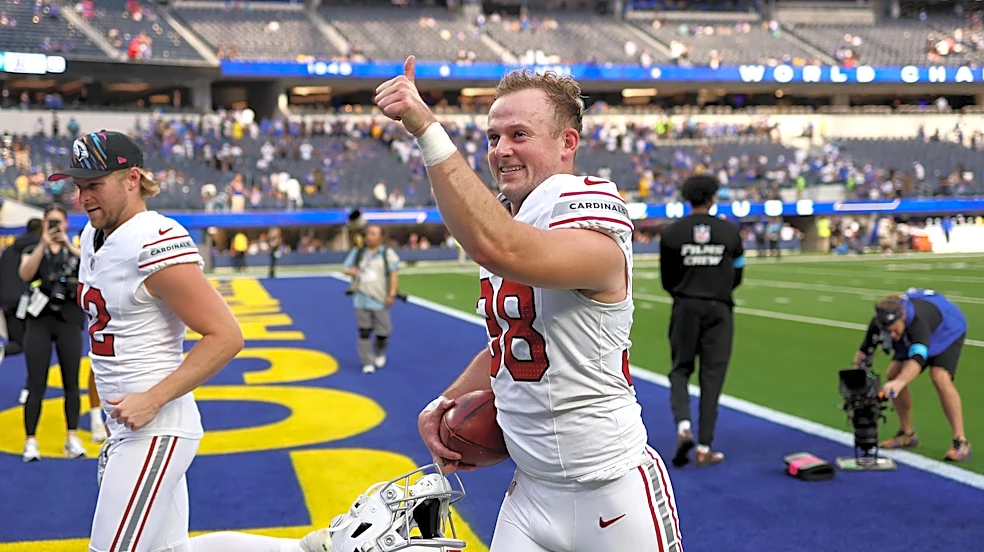
A decade after celebrating the construction of SoFi Stadium, Inglewood city leaders and operators of Hollywood Park, led by Rams owner Stan Kroenke, are embroiled in a legal and political dispute. The conflict originated over a deal Inglewood made with
WOW Media for 108 electronic billboards across the city, which SoFi Stadium, Intuit Dome, and the Forum argue violate their existing advertising exclusivity agreements. A judge initially sided with Inglewood, but an appeal is underway. Concurrently, a Los Angeles County Superior Court judge ruled the 2015 development agreement that facilitated SoFi Stadium's construction as "void from the beginning and unenforceable," leading to a dispute over $448 million in reimbursements Hollywood Park claims from the city for infrastructure improvements. Inglewood, which previously paid $20 million, is now demanding that money back, citing a 2018 court decision involving Moreno Valley that voided a similar fast-tracked development agreement.
Why It's Important?
This clash has significant implications for urban development, municipal finance, and the legal framework governing large-scale projects in California. The voiding of the 2015 development agreement creates substantial financial uncertainty, potentially impacting Inglewood's budget and Hollywood Park's investment recovery. The dispute over billboards highlights the complexities of urban advertising rights and their economic value, especially in areas with major entertainment venues. Furthermore, the legal precedent set by the Moreno Valley case, and its application to Inglewood, could have a chilling effect on future developments across California, particularly those relying on fast-track approval processes. This situation also underscores the potential for conflict between public entities and powerful private developers, even after initial collaborations.
What's Next?
The legal battle is expected to continue, with an appeal ongoing regarding the billboard dispute and the city challenging the voided development agreement. Inglewood voters will also consider Measure BB, aimed at restricting billboard advertising, and Measure AT, which would eliminate a $15-million cap on the 10% admission tax on ticket sales from venues like SoFi Stadium, potentially generating an additional $47 million to $50 million annually for the city. The outcome of these ballot measures and ongoing court cases will determine the financial obligations between Inglewood and Hollywood Park, and could influence future development projects in the state. The contentious Inglewood mayoral race, with Mayor James T. Butts Jr. seeking a fifth term against Gloria Gray, may also impact the city's stance on these issues.
Beyond the Headlines
The core of this dispute delves into the ethical and legal boundaries of development agreements, particularly when fast-tracking mechanisms are used. The argument that Inglewood welcomed the benefits of SoFi Stadium for a decade before challenging its financial obligations raises questions about contractual integrity and the long-term stability of public-private partnerships. Hollywood Park's concern that this situation could discourage future development in California highlights a broader issue of regulatory risk for investors. The case also brings to light the power dynamics between a city and a wealthy developer, with both sides framing the conflict in terms of fairness and adherence to the law. The legal interpretation of charter city rights versus state-level precedents will be a critical aspect of the ongoing litigation.