

What's Happening?
Wall murals are gaining significant traction as a prominent interior design trend for dining rooms in 2026, according to industry insights. The focus is on creating a 'lived-in' feel through earthy color palettes, heritage-inspired designs, and tactile
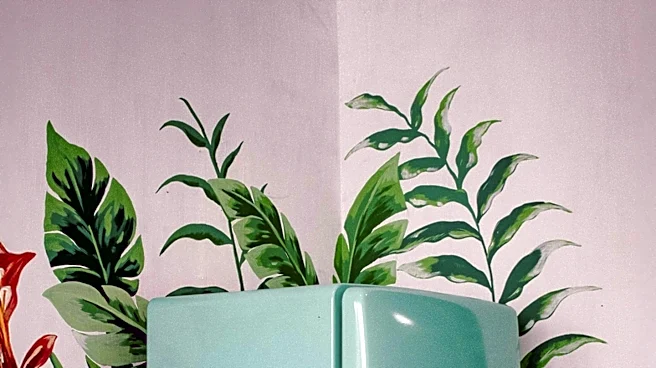
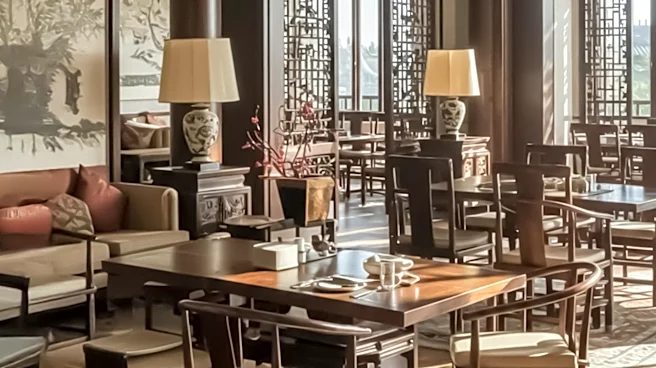
finishes. Dining rooms are particularly well-suited for wallpaper and murals due to their contained visual space and the natural focal point provided by the dining table. The shifting light conditions in dining rooms, from flat daylight to warm evening lamplight, enhance the impact of patterns, contrast, and scale. Trends include moody florals, dark botanicals, oversized botanicals, revisited damask patterns, scenic and mural-style landscapes, and textured or tonal patterns like faux grasscloth and limewash. Warmer, earthier colors such as olive, terracotta, chocolate, and muted clay are replacing cooler grays, complementing the warm lighting typically used in dining spaces. The practice of treating the ceiling as a 'fifth wall' with wallpaper is also becoming more common.
Why It's Important?
This trend signifies a shift in U.S. interior design towards more personalized and atmospheric living spaces, moving away from minimalist or overly stark aesthetics. For the home decor industry, this translates into increased demand for specialized wallpaper and mural products, potentially boosting manufacturers and retailers in this sector. Interior designers and decorators will need to adapt their offerings to incorporate these styles, focusing on custom solutions that cater to specific client preferences for warmth, intimacy, and natural elements. The emphasis on earthy tones and heritage influences also reflects a broader cultural appreciation for comfort, authenticity, and connection to nature within the home environment. This could lead to a resurgence in traditional craftsmanship and design techniques, impacting suppliers of materials and skilled labor in the design and installation fields.
What's Next?
As wall murals continue to gain popularity, manufacturers are likely to expand their collections to include more designs that align with these emerging trends, such as customizable scenic landscapes and textured finishes. Retailers may increase their inventory of these products, offering a wider range of options to consumers. Interior designers will likely integrate these mural concepts into their project proposals, emphasizing the creation of unique and immersive dining experiences. Educational resources and tutorials on mural selection and installation, particularly for DIY enthusiasts, may also see a rise. The market could also see innovations in mural materials and installation techniques to make them more accessible and user-friendly for a broader consumer base.
Beyond the Headlines
The growing preference for wall murals, especially those with natural and heritage themes, suggests a deeper societal desire for grounding and connection in an increasingly digital world. The 'lived-in' aesthetic, characterized by tactile finishes and earthy colors, may reflect a collective yearning for comfort, authenticity, and a sense of history within personal spaces. This trend could also influence other areas of home decor, such as furniture and textiles, leading to a more cohesive and integrated design approach that prioritizes sensory experience and emotional well-being. Furthermore, the customization aspect of murals allows for a unique form of self-expression, transforming walls from mere backdrops into personal narratives and artistic statements, thereby elevating the role of interior design beyond mere aesthetics to a form of personal storytelling.