






What's Happening?
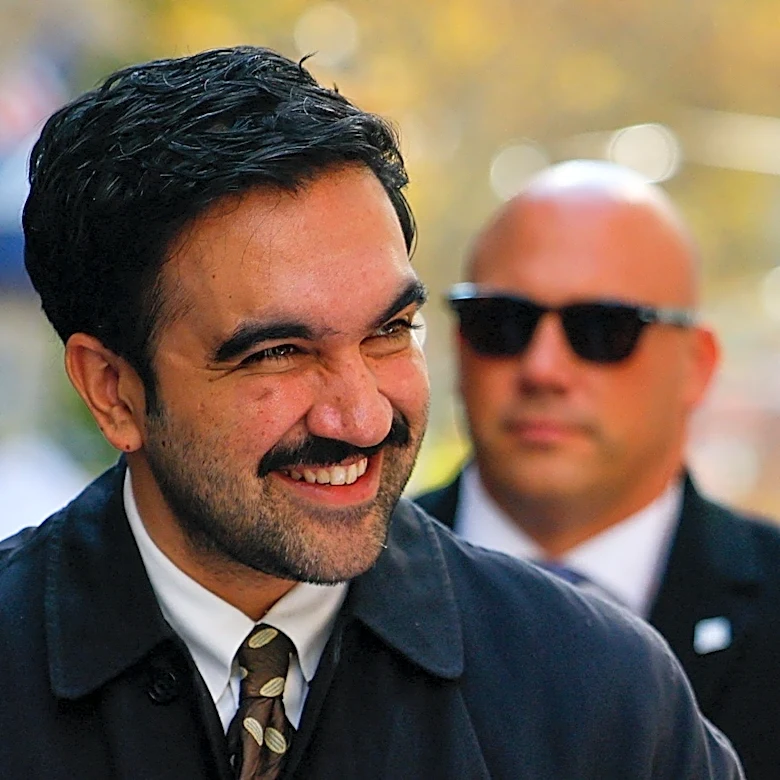
The Irish Co-operative Organisation Society (ICOS) has issued a warning that proposed new EU regulations on animal transport could effectively halt Ireland's unweaned calf exports. ICOS met with Irish MEPs Ciaran Mullooly and Nina Carbery in Brussels
to advocate for amendments to these proposals. A key concern is the proposed seven-day 'standstill' requirement for assembly center operations, which ICOS argues should be reduced to a more practical 24-hour period, provided appropriate animal health and welfare safeguards are in place. Ray Doyle, ICOS' livestock and environmental services executive, stated that a seven-day standstill would be unworkable, leading to capacity pressures, increased costs, and potentially greater animal health risks. Additionally, ICOS is seeking flexibility in the requirement to feed unweaned calves exclusively with milk or milk replacer during transport, especially on ferries, suggesting that other nutritionally appropriate liquid feeds, such as pre-prepared formulations with electrolytes and proteins, should be permitted under veterinary oversight.
Why It's Important?
The potential cessation of calf exports would have significant economic repercussions for Irish dairy farmers and the broader rural economy. Live exports serve as a crucial market outlet, fostering competition for calves and supporting farmgate prices. The proposed EU rules, if implemented without amendments, could disrupt this vital trade, leading to financial instability for many farmers. While the regulations aim to enhance animal welfare, ICOS argues that some proposals, like the seven-day standstill, could inadvertently create more animal health risks due to logistical challenges and overcrowding. The debate highlights the tension between stringent welfare standards and the practical realities of international livestock transport, particularly for island nations like Ireland that rely on sea routes. Ensuring practical arrangements that protect calf welfare while acknowledging the realities of sea transport is essential for the sustainability of the Irish livestock industry.
What's Next?
ICOS will continue to lobby for amendments to the proposed EU legislation. Their focus will be on advocating for a reduction of the 'standstill' period to 24 hours and greater flexibility in the types of liquid feeds permitted during transport. They propose that alternative nutritional formulations, subject to veterinary oversight and scientific validation, should be considered. The outcome of these discussions will determine the future viability of Ireland's unweaned calf export trade. The Irish government and MEPs will likely play a crucial role in negotiating these changes within the EU framework to balance animal welfare concerns with the economic interests of the Irish agricultural sector. The ongoing dialogue will aim to find a compromise that ensures humane transport conditions without imposing unworkable restrictions on the industry.
Beyond the Headlines
This situation underscores the broader challenge of harmonizing animal welfare regulations across diverse geographical and economic contexts within the European Union. While the intent of stricter welfare rules is commendable, their practical application can vary significantly depending on a member state's specific circumstances, such as being an island nation. The debate also touches upon the scientific validation of alternative feeding methods during transport, highlighting the need for evidence-based policy-making that considers both animal well-being and logistical feasibility. The outcome could set a precedent for how future EU regulations balance ethical considerations with economic realities, potentially influencing other sectors and cross-border trade practices. It also brings to light the continuous evolution of animal welfare standards and the industry's commitment to adapting to and improving these standards.