





What's Happening?
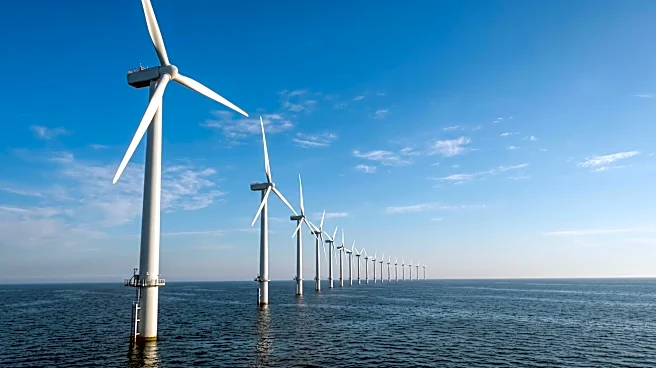
Ørsted, a prominent offshore wind developer, is targeting a 30% reduction in the cost of offshore wind energy over the next ten years. This ambitious goal was a central topic of discussion at WindEnergy Hamburg, an event that convened 1,600 exhibitors
from 40 countries, including suppliers, developers, and partners in the offshore wind industry. The company views this event as a crucial platform to explore innovative solutions and strengthen partnerships essential for enhancing the competitiveness of offshore wind. Alana Kühne, Head of Europe Development at Ørsted, emphasized the importance of engaging with suppliers and partners to understand how their innovations can shape future projects. Anders Hylleberg, Head of Offshore Procurement at Ørsted, highlighted discussions with suppliers aimed at increasing predictability within the industry to facilitate informed decisions and investments necessary to achieve the 30% cost reduction target.
Why It's Important?
This initiative by Ørsted holds significant importance for the U.S. energy sector and its transition towards renewable sources. A 30% reduction in offshore wind costs could make this energy source substantially more competitive with traditional fossil fuels, accelerating its adoption across coastal states. Lower costs would likely translate into more affordable electricity for consumers and reduced reliance on carbon-intensive power generation, aligning with national climate goals. For U.S. businesses involved in the offshore wind supply chain, from manufacturing components to installation and maintenance, this cost reduction could spur increased demand and investment, creating jobs and fostering economic growth. Furthermore, it could enhance energy security by diversifying the national energy mix and reducing vulnerability to volatile global energy markets. The emphasis on innovation and strategic partnerships also suggests a collaborative approach that could benefit U.S. research and development in renewable energy technologies.
What's Next?
In the coming decade, Ørsted will likely continue to engage with its global network of suppliers and partners, including those in the U.S., to identify and implement cost-saving innovations. This will involve ongoing discussions and collaborations to enhance predictability in project development and investment. The company's focus will be on operational improvements, such as minimizing unnecessary revisions and streamlining processes, which have been identified as key areas for cost reduction in large-scale projects. We can anticipate increased investment in research and development for more efficient turbine designs, installation methods, and operational strategies. The success of Ørsted's initiative could set a precedent for other developers in the U.S. offshore wind market, potentially leading to broader industry-wide efforts to drive down costs and accelerate the deployment of offshore wind farms along U.S. coastlines. This could also influence policy decisions, with governments potentially offering further incentives for cost-effective renewable energy projects.
Beyond the Headlines
Beyond the immediate economic and environmental benefits, Ørsted's pursuit of significant cost reductions in offshore wind points to a broader shift in the renewable energy landscape. It underscores the industry's maturation, moving from nascent, heavily subsidized projects to a more competitive and self-sustaining model. This drive for efficiency could foster a culture of continuous innovation, pushing technological boundaries and creating new intellectual property that could benefit the U.S. in the global energy market. Ethically, making offshore wind more affordable could broaden access to clean energy, particularly for communities that have historically borne the brunt of fossil fuel pollution. It also highlights the critical role of international collaboration and knowledge sharing in addressing global challenges like climate change. The long-term implications include the potential for offshore wind to become a dominant energy source, reshaping coastal economies and infrastructure, and influencing future energy policy and investment strategies in the U.S.