

What's Happening?
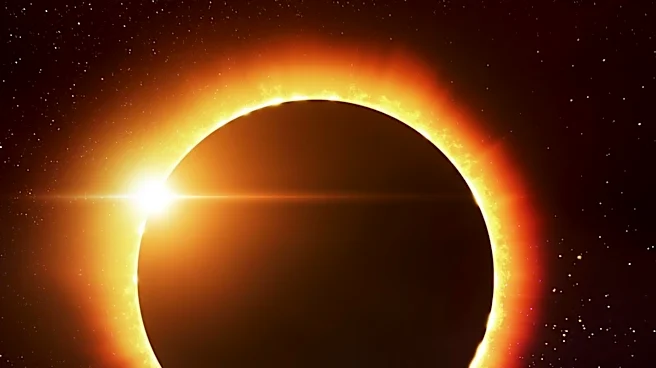
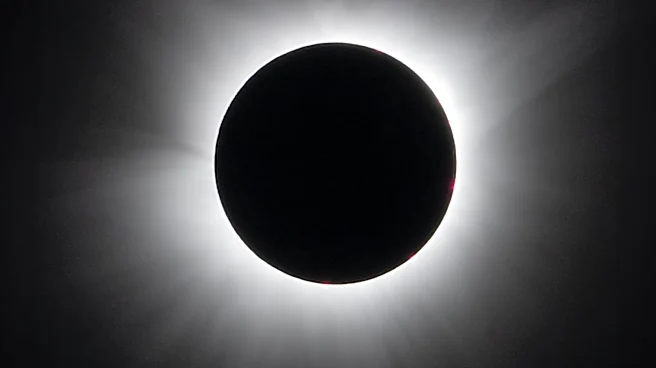
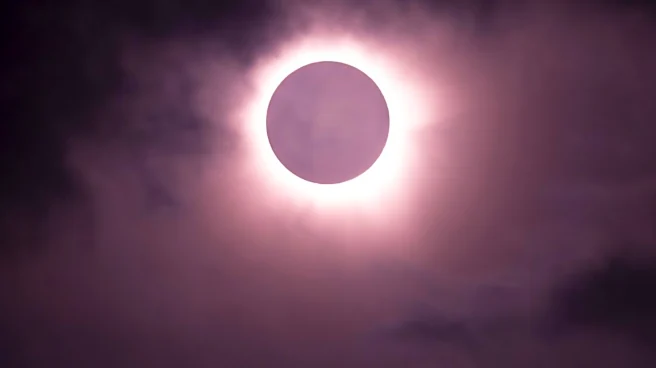
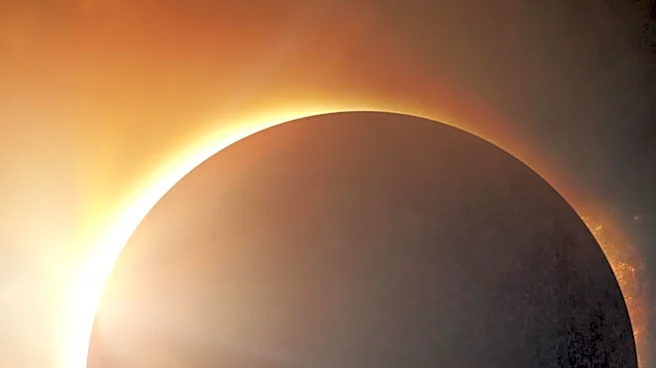
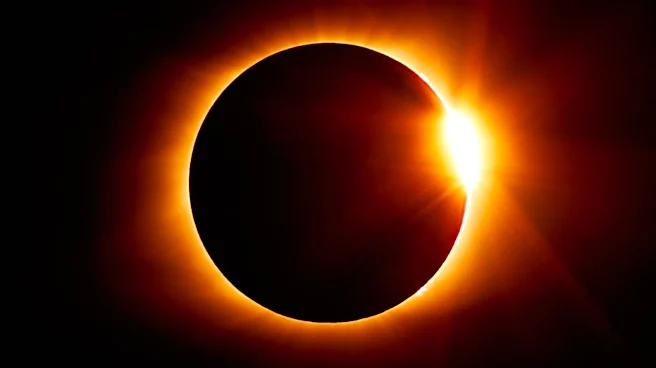
Millions of people are preparing to witness and document a rare total solar eclipse that will pass over parts of Europe, including Spain, Greenland, Iceland, and Portugal, on August 12. The event is expected to attract tourists, particularly to northern
Spain, where the path of totality will be visible. The European Space Agency and eclipse experts have provided resources to help enthusiasts find the best viewing locations. Smartphone users are advised to use specific techniques to capture the eclipse, such as using apps for planning, adjusting exposure settings, and avoiding flash. Safety measures, including using solar filters or eclipse glasses, are emphasized to protect both eyes and camera lenses.
Why It's Important?
The solar eclipse presents a unique opportunity for both amateur and professional photographers to capture a rare astronomical event. It also highlights the importance of technological advancements in smartphone cameras, which now allow users to document such events with greater ease and quality. The event is expected to boost tourism in the regions under the eclipse's path, providing economic benefits. Additionally, the emphasis on safety and proper viewing techniques underscores the need for public awareness about eye protection during solar events.
What's Next?
As the eclipse approaches, more people are likely to travel to the path of totality, increasing demand for accommodations and local services. The event may also lead to increased interest in astronomy and related educational activities. Following the eclipse, there may be a surge in shared images and videos on social media, showcasing the capabilities of modern smartphone technology. The success of this event could influence future tourism strategies for regions expecting similar astronomical events.