







What's Happening?
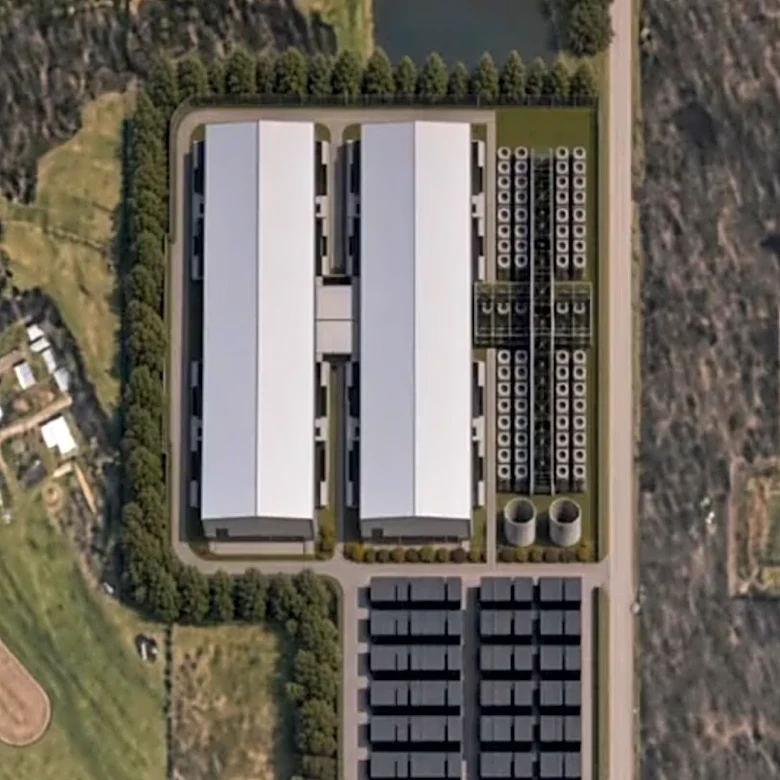
Cybastion, a U.S. digital and infrastructure solutions company, has announced plans to invest US$75 million in an AI-powered data center and power plant in Douala, Cameroon. This investment is part of the company's broader strategy to expand its digital infrastructure projects
across Africa. The project aims to combine a sovereign data center with dedicated power capacity to meet the increasing demand for computing, digital services, and artificial intelligence in the region. The announcement was made during the inaugural US-Cameroon Bilateral Economic and Commercial Dialogue in Douala on August 27, where the U.S. Embassy in Cameroon highlighted this as part of US$7 billion in new and expanding American investment and trade opportunities in the country. Cybastion's initiative is designed to advance its 'Digital Fast Track' platform, which integrates digital infrastructure, cybersecurity, digital solutions, reliable energy, and workforce development to foster secure and resilient digital ecosystems.
Why It's Important?
This investment by Cybastion is significant for several reasons. Firstly, it underscores the growing U.S. private sector interest in Africa's digital transformation, particularly in critical areas like AI and data infrastructure. By establishing a sovereign data center, Cameroon can enhance its data security and reduce reliance on foreign data storage, which has implications for national sovereignty and economic development. The integration of a dedicated power plant addresses a crucial challenge in many African nations: reliable energy supply, which is essential for the sustained operation of data-intensive facilities. This project also aligns with U.S. foreign policy goals of strengthening economic ties and promoting digital development in Africa, potentially creating new trade opportunities and fostering a more robust digital economy in Cameroon. The focus on AI-powered infrastructure positions Cameroon to leverage advanced technologies for various sectors, from government services to private enterprise, potentially driving innovation and economic growth.
What's Next?
While the specific capacity, size, and timeline for the new facilities have not yet been revealed, Cybastion's investment signals a continued push for digital infrastructure development in Africa. The company is expected to proceed with the planning and construction phases, which will likely involve further collaboration with Cameroonian government officials and local stakeholders. This project could serve as a model for future U.S. investments in digital infrastructure across the continent, particularly as demand for cloud computing and AI services continues to grow. The success of this initiative in Douala could encourage other U.S. companies to explore similar opportunities, further solidifying the U.S.'s role in Africa's digital transformation. Additionally, the 'Digital Fast Track' platform suggests ongoing efforts to integrate various digital components, including cybersecurity and workforce development, indicating a long-term commitment to building comprehensive digital ecosystems.
Beyond the Headlines
Beyond the immediate economic and technological benefits, Cybastion's investment carries deeper implications for geopolitical dynamics and digital governance. The emphasis on a 'sovereign data center' reflects a global trend where nations seek greater control over their digital assets and data, reducing potential vulnerabilities associated with foreign-hosted data. This move could set a precedent for other African nations to pursue similar strategies, fostering digital self-reliance. Furthermore, the project's focus on AI-powered infrastructure highlights the increasing importance of artificial intelligence as a foundational technology for national development and security. The U.S.'s engagement in this sector in Africa can be seen as a strategic effort to counter the influence of other global powers in the continent's digital landscape, ensuring that digital ecosystems are built on principles of openness, security, and resilience. This also raises questions about data privacy regulations and the ethical implications of AI deployment in developing nations, which will need to be addressed as these projects mature.