

What's Happening?
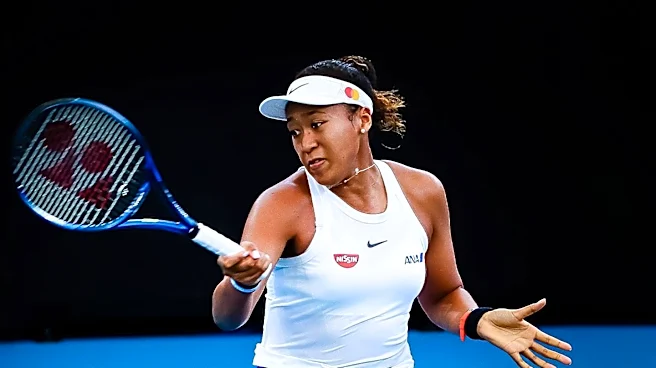
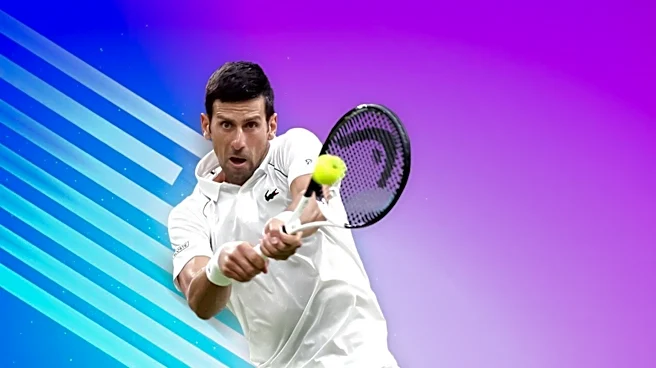
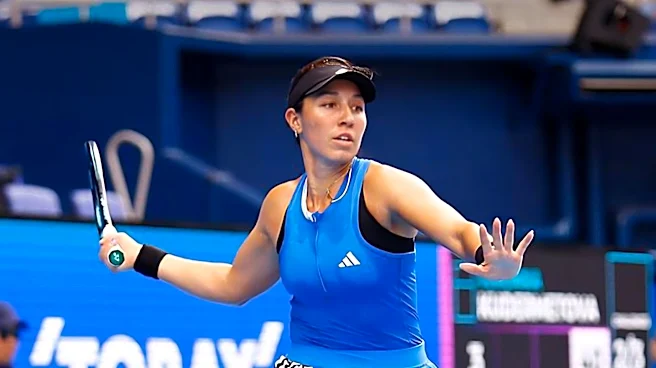
The use of artificial intelligence (AI) in tennis is becoming increasingly prevalent, with players like Bianca Andreescu and Emma Raducanu utilizing platforms such as ChatGPT for scouting opponents and personal insights. The ATP has developed Tennis IQ,
a platform that analyzes in-match data to assess player performance. While some players, like Jessica Pegula, find AI-generated reports useful for cross-referencing opponent strategies, others remain skeptical. Frances Tiafoe and Daniil Medvedev express concerns about AI's impact on personal effort and the environment. Despite mixed feelings, AI's role in tennis continues to grow, offering new ways to analyze and prepare for matches.
Why It's Important?
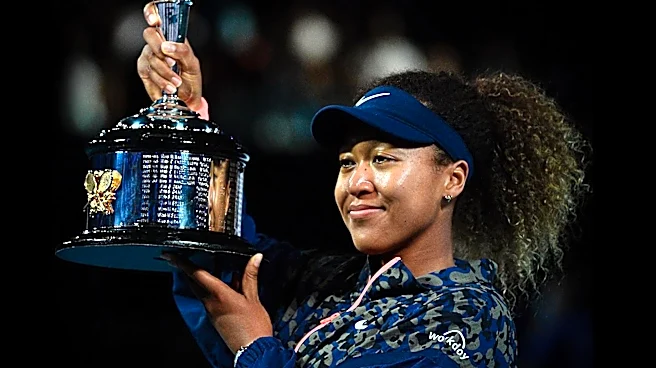
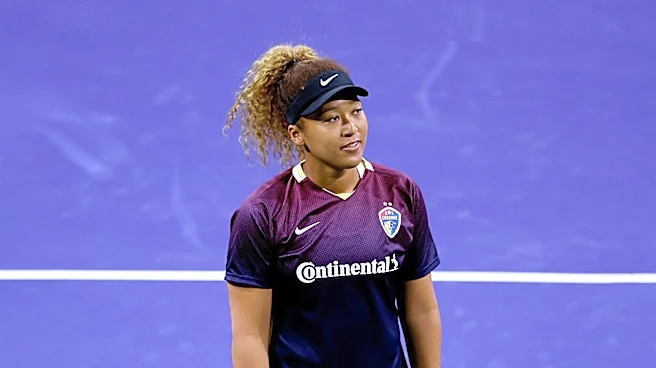
The integration of AI in tennis represents a significant shift in how players prepare for matches, potentially altering traditional coaching dynamics. AI tools can provide detailed analysis and strategic insights, offering players a competitive edge. However, the reliance on AI raises questions about the future of coaching and the potential for over-dependence on technology. The environmental impact of AI, as noted by players like Naomi Osaka, adds another layer of complexity. As AI becomes more embedded in sports, it could redefine training methodologies and influence the broader sports industry.
What's Next?
As AI technology continues to evolve, its role in tennis and other sports is likely to expand. Players and coaches may increasingly rely on AI for strategic planning and performance analysis. The sports industry might see a rise in AI-driven platforms and tools, prompting discussions on ethical use and environmental considerations. Stakeholders, including sports organizations and environmental groups, may engage in dialogue to balance technological advancement with sustainability. The ongoing development of AI in sports will require careful consideration of its benefits and potential drawbacks.